Did you know that indoor air can be up to five times more polluted than outdoor air? With rising concerns about health and efficiency, duct cleaning has become a priority for homes and businesses in 2026. This guide offers everything you need to know about expert duct cleaning, ensuring your indoor air stays clean and your HVAC system runs at peak performance.
We will explore the basics, health and energy benefits, the step-by-step process, advanced techniques, how to choose a provider, and practical maintenance tips. Trust this expert-driven resource to help you breathe easier and save money in the year ahead.
Understanding Duct Cleaning: The 2026 Landscape
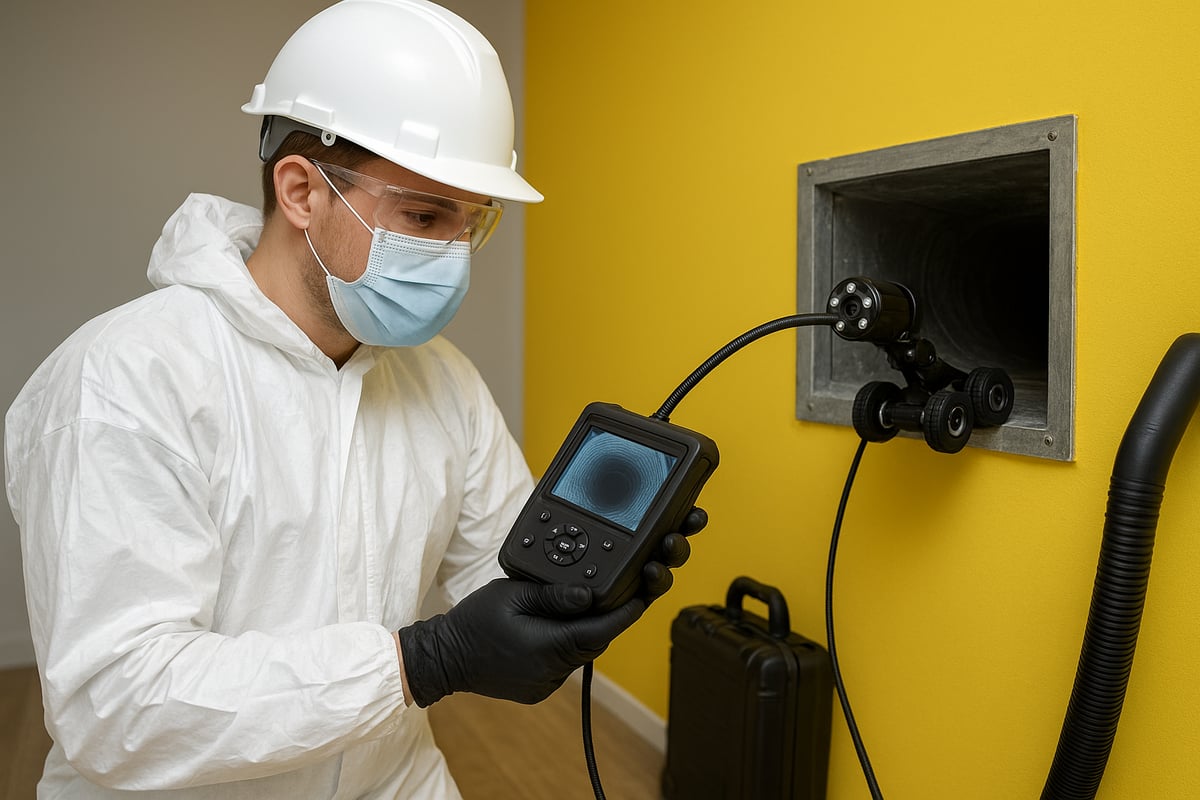
Indoor air quality is now a top concern for property owners, making expert duct cleaning a vital part of modern building maintenance. Duct cleaning involves the removal of dust, debris, and contaminants from the HVAC system’s ductwork to ensure healthy and efficient airflow throughout homes and businesses.
Defining Duct Cleaning and Its Role in 2026
Expert duct cleaning plays a crucial role in safeguarding indoor environments. As homes and commercial spaces become more airtight for energy efficiency, pollutants can accumulate quickly. Regular cleaning removes dust, pollen, pet dander, mold, bacteria, and volatile organic compounds (VOCs) that would otherwise circulate indoors.
Emerging Trends in Ductwork and HVAC Technology
Innovations in ductwork design and HVAC systems are shaping cleaning needs in 2026. Modern ducts are often narrower and use flexible materials, which can trap debris more easily. Smart HVAC systems now include sensors that monitor air quality, alerting property managers when expert duct cleaning is necessary. These advancements improve efficiency but also require updated cleaning techniques to ensure ducts remain free of blockages.
Common Contaminants and Their Impact
A variety of contaminants threaten indoor air quality. The most prevalent include:
| Contaminant | Health Risks | Efficiency Loss |
|---|---|---|
| Dust & Debris | Allergies, asthma | High |
| Pet Dander | Respiratory irritation | Moderate |
| Mold & Bacteria | Infections, illness | High |
| VOCs | Headaches, fatigue | Low |
Expert duct cleaning targets these pollutants, significantly reducing health risks and system strain.
Health and Energy Efficiency Implications
When ducts are clogged, the HVAC system must work harder, resulting in up to a 30% increase in energy bills, according to EPA data. Poorly maintained ducts can cause respiratory issues, more frequent allergies, and higher illness rates. In fact, 9 out of 10 HVAC system failures are directly linked to dirt and dust buildup, as reported by NADCA. Property owners who invest in expert duct cleaning not only protect their health but also prolong the life of their HVAC systems.
Regulatory Updates and Industry Standards
The duct cleaning industry in 2026 is governed by updated standards and regulations. Key requirements include:
- Compliance with NADCA’s 2025 ACR Standard for assessment and cleaning
- Use of EPA-approved cleaning agents
- Mandatory camera inspections for commercial sites
- Documentation and reporting after each service
These protocols ensure that expert duct cleaning provides measurable results and consistent safety for all building types.
Real-World Scenarios: Residential, Commercial, and Industrial
In a residential setting, a family with allergy sufferers benefits from annual duct cleaning that removes pollen and pet fur. For commercial properties, employee productivity improves when expert duct cleaning eliminates mold and dust, reducing sick days. Industrial facilities rely on frequent cleaning to prevent machinery breakdowns and ensure regulatory compliance.
For a deeper dive into the essential steps and benefits, consult What is air duct cleaning and benefits.
Conclusion
Understanding the evolving landscape of duct cleaning is critical for proactive building management. As technology and standards advance, the need for expert duct cleaning becomes even more apparent. Clean ducts mean cleaner air, greater energy savings, and healthier indoor spaces for everyone.
Why Expert Duct Cleaning Matters: Health, Safety & Savings
Did you know that investing in expert duct cleaning can transform the air you breathe every day? Maintaining clean air ducts is more than just a matter of comfort—it is essential for the health, safety, and financial well-being of your home or business.

The Health Impact of Expert Duct Cleaning
Indoor air can contain a surprising amount of dust, pollen, pet dander, mold spores, and even bacteria. Over time, these contaminants accumulate within your ductwork, recirculating throughout your space.
Expert duct cleaning removes these pollutants, resulting in cleaner, fresher air. The benefits are especially noticeable for those with allergies, asthma, or respiratory conditions. Cleaner ducts mean fewer allergy flare-ups, reduced asthma attacks, and a healthier environment for everyone.
Safety and Fire Prevention
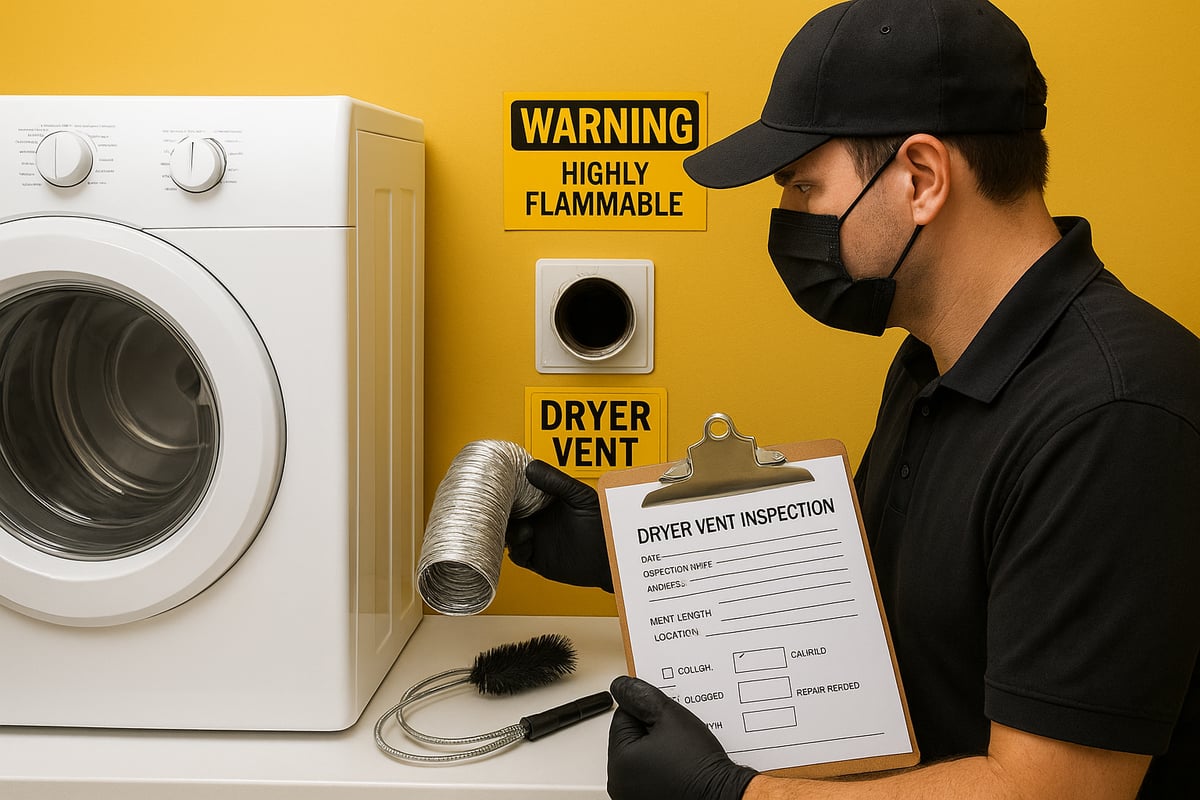
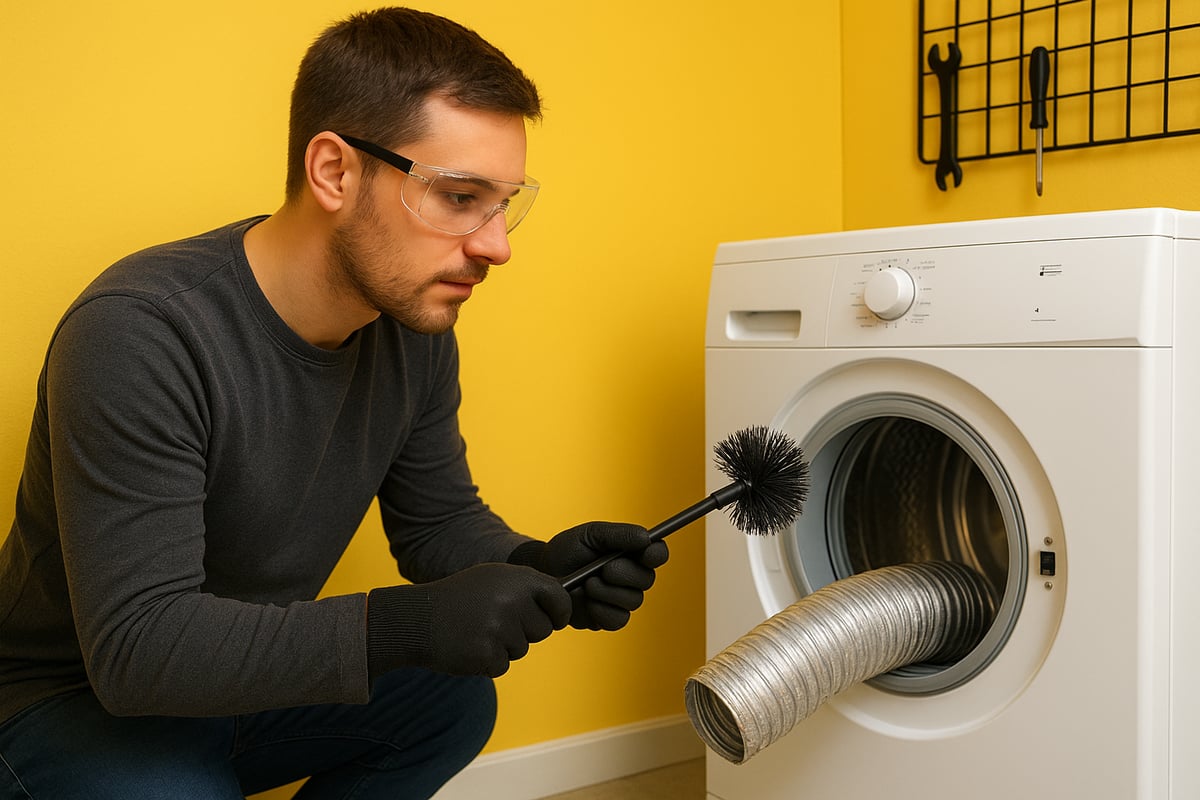
Safety is another critical reason to choose expert duct cleaning. Dust and lint buildup, especially in dryer vents, can pose a significant fire hazard. Regular cleaning by trained professionals reduces this risk, protecting your property and those inside it.
Expert duct cleaning also addresses hidden mold and mildew, which can thrive in damp ductwork. Mold spores not only trigger health issues but can also compromise the structural integrity of your HVAC system.
Cost Savings and System Longevity
Did you know that clogged ducts force your HVAC system to work harder, increasing energy consumption? Expert duct cleaning improves airflow and efficiency, often lowering annual energy bills by $200 or more.
A clean system also lasts longer. Routine duct maintenance can extend the lifespan of your HVAC equipment by 5 to 10 years, reducing the need for costly repairs or replacements.
Consider this quick summary:
| Benefit | Impact |
|---|---|
| Energy Savings | $200+ per year |
| System Longevity | Adds 5-10 years to HVAC lifespan |
| Health Improvements | Fewer illnesses and allergy symptoms |
| Safety | Reduced risk of fire and mold |
Real-world Benefits and EPA Guidance
The importance of expert duct cleaning is recognized by leading authorities. The EPA’s Guide on Air Duct Cleaning recommends cleaning when you detect mold, pests, or excessive dust in your system.
A recent case highlights these benefits. After expert duct cleaning in a commercial building, employees reported fewer sick days and improved productivity. Cleaner air led to a healthier, more comfortable workplace, demonstrating the tangible advantages of regular service.
Choosing expert duct cleaning is not just a maintenance task—it is a proactive investment in health, safety, and savings.
Step-by-Step Expert Duct Cleaning Process
Ensuring clean air in your home or business begins with a thorough, systematic approach. The expert duct cleaning process is designed to maximize indoor air quality, system performance, and safety. Each stage is completed with precision, using advanced tools and techniques that set true professionals apart.
Initial Assessment & Inspection
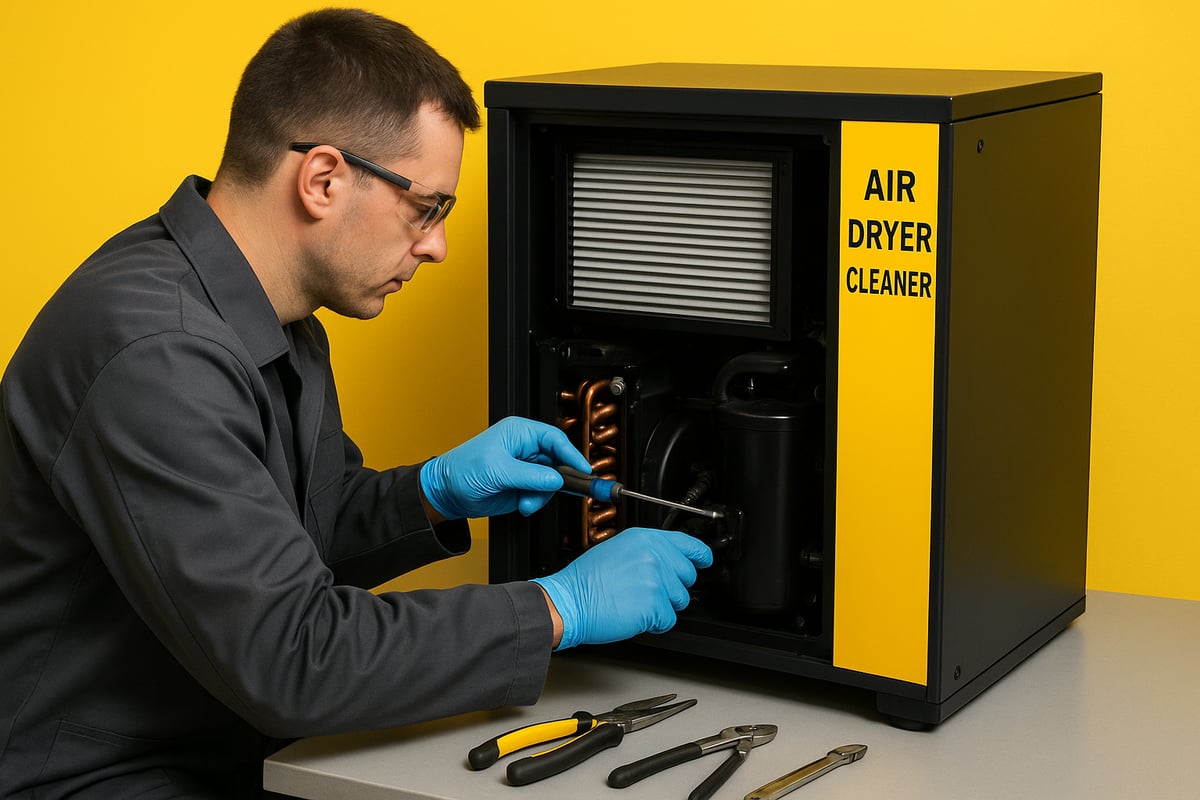
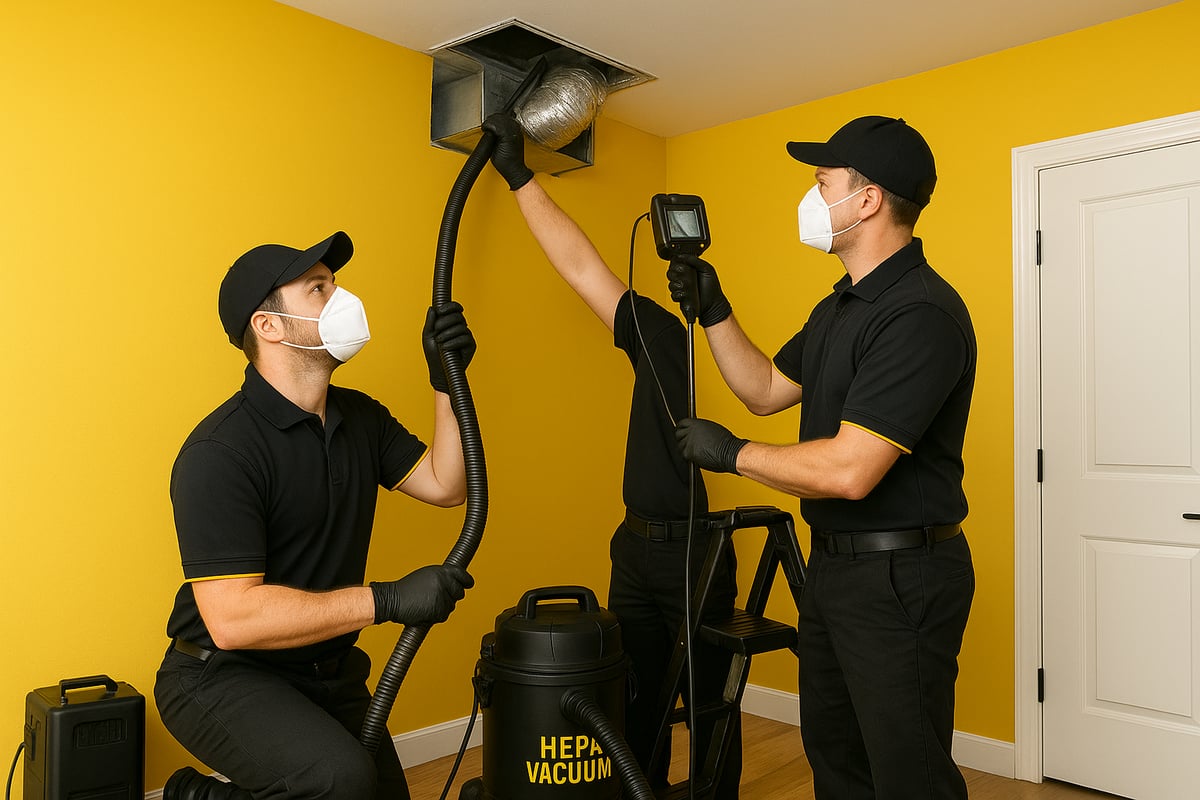
Every expert duct cleaning project starts with a detailed inspection. Technicians use specialized cameras and diagnostic devices to visually examine the entire ductwork system. This helps identify hidden debris, mold, and blockages that impact air quality and system efficiency.
Key steps include:
- Using robotic cameras to access hard-to-reach areas.
- Documenting problem spots, such as microbial growth or heavy dust buildup.
- Assessing the type and condition of ductwork to tailor the cleaning approach.
Professional assessment is crucial. Unlike DIY attempts, certified experts follow established checklists, such as those from NADCA, to ensure nothing is overlooked. A comprehensive plan is then created to address every identified issue, setting the stage for an effective expert duct cleaning result.
Preparation & Safety Protocols
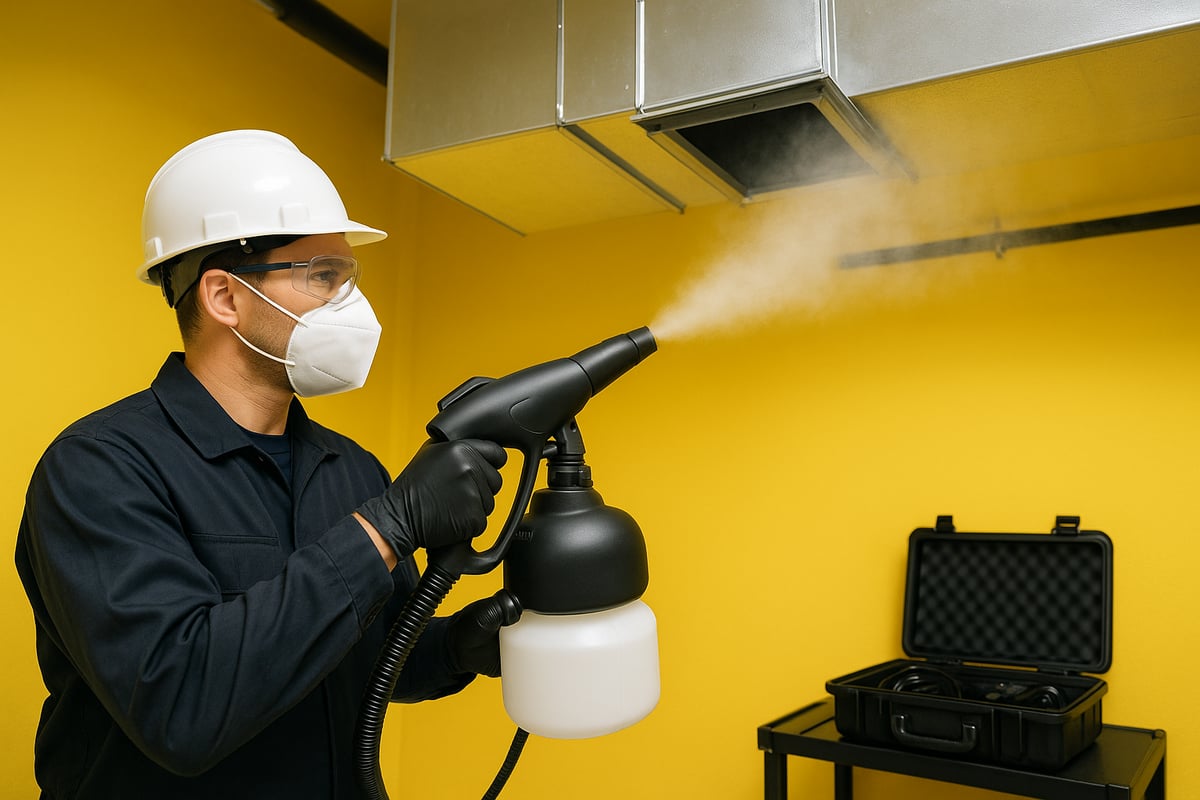
Before cleaning begins, safety is the priority. Technicians shut down the HVAC system to prevent dust circulation and secure all registers and vents to contain contaminants. This protects both the property and its occupants.
Essential safety protocols include:
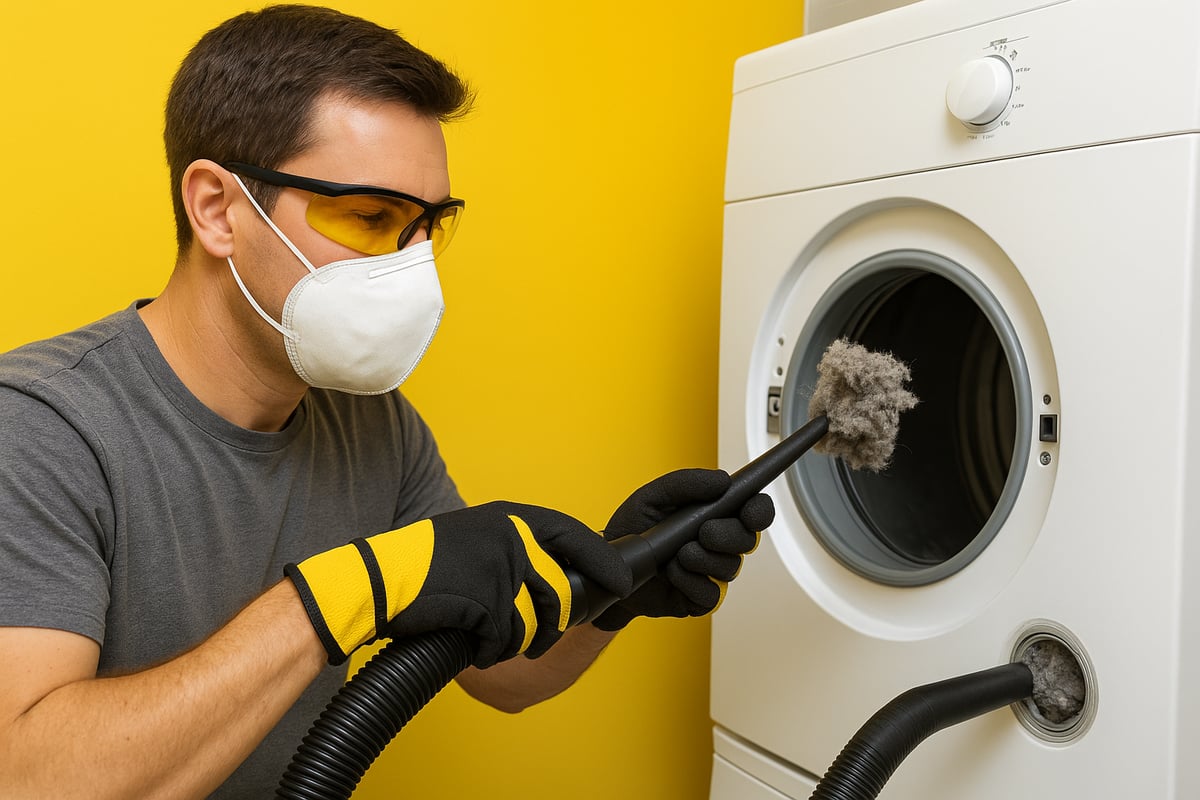
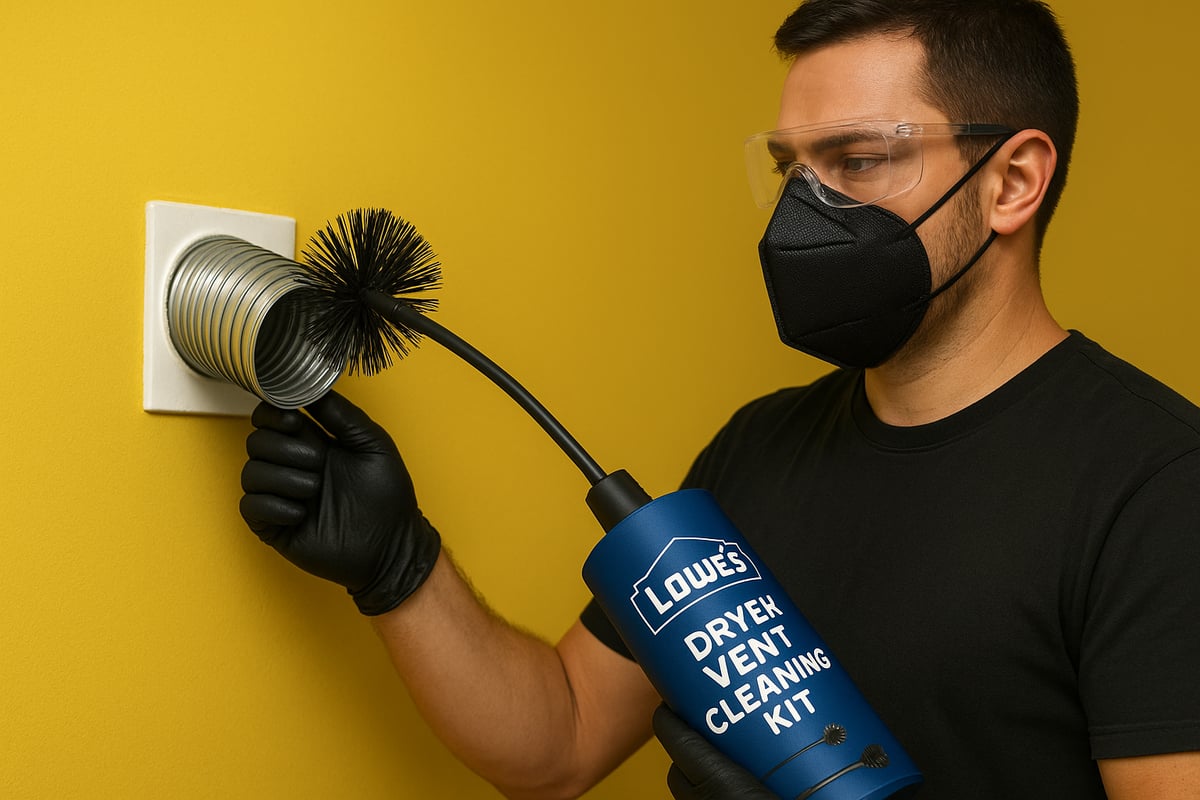
- Wearing personal protective equipment (PPE) like masks, gloves, and goggles.
- Setting up proper ventilation to expel airborne particles.
- Ensuring pets and people are kept clear of the work area.
These steps ensure that expert duct cleaning is performed without risk to health or property, maintaining a controlled environment throughout the process.
Source Removal & Cleaning Techniques
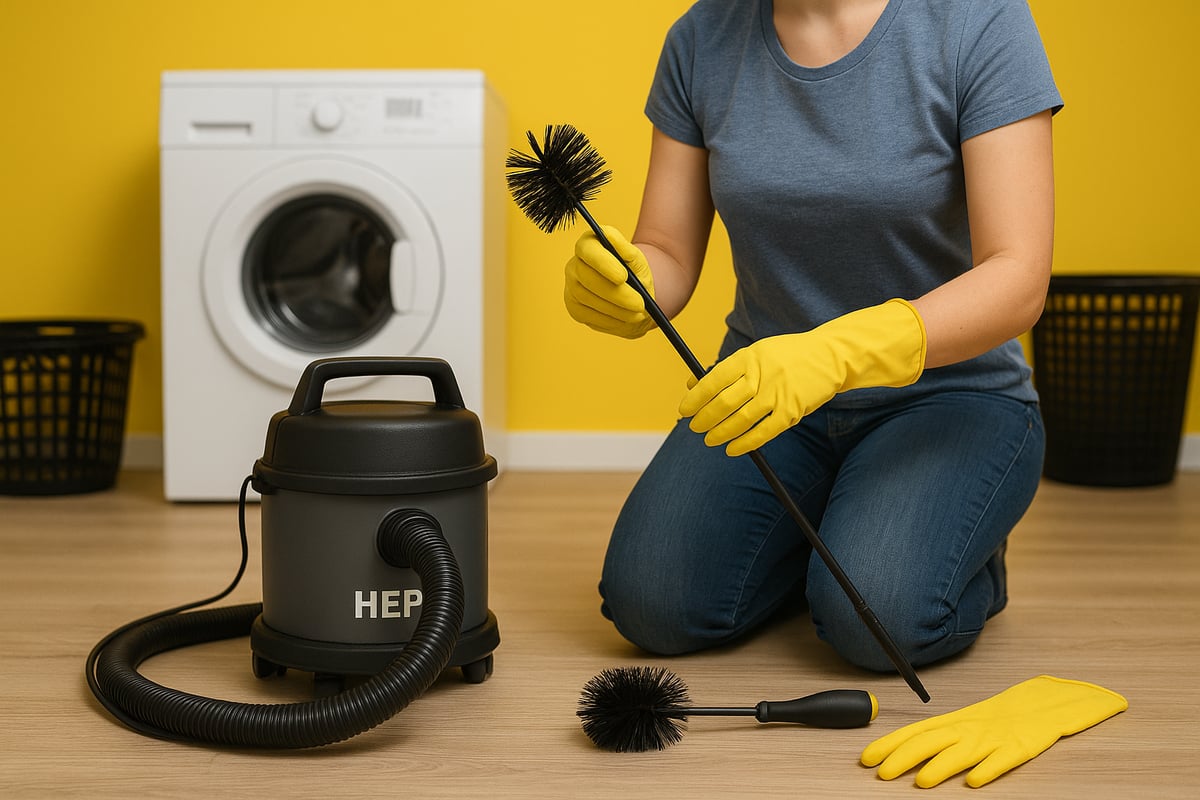
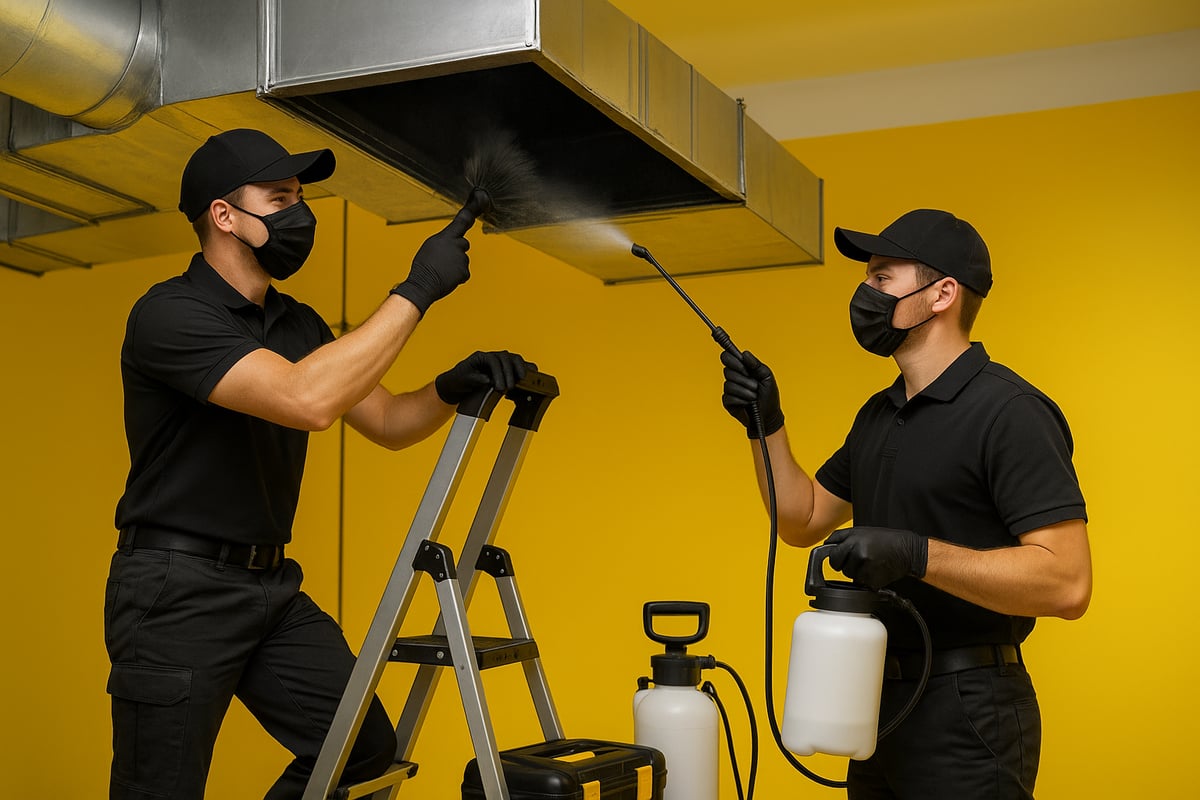
The core of expert duct cleaning is removing accumulated contaminants. Mechanical agitation tools—such as rotary brushes, flexible air whips, and compressed air tools—are used to loosen dust, pollen, and debris from duct surfaces.
A high-powered HEPA vacuum system then collects the dislodged particles, trapping even the smallest allergens. Different tools are selected based on whether ducts are flexible or rigid, ensuring thorough cleaning without causing damage.
Technicians also clean related HVAC components, including coils, blower motors, and plenum boxes, for a complete solution. Before-and-after images often reveal dramatic improvements in cleanliness.
For a detailed breakdown of each cleaning step and equipment used, visit this Step-by-step air duct cleaning guide.
Expert duct cleaning in this phase not only removes visible debris but also addresses hidden biological contaminants, providing cleaner, healthier air for everyone inside.
Sanitization & Mold Treatment
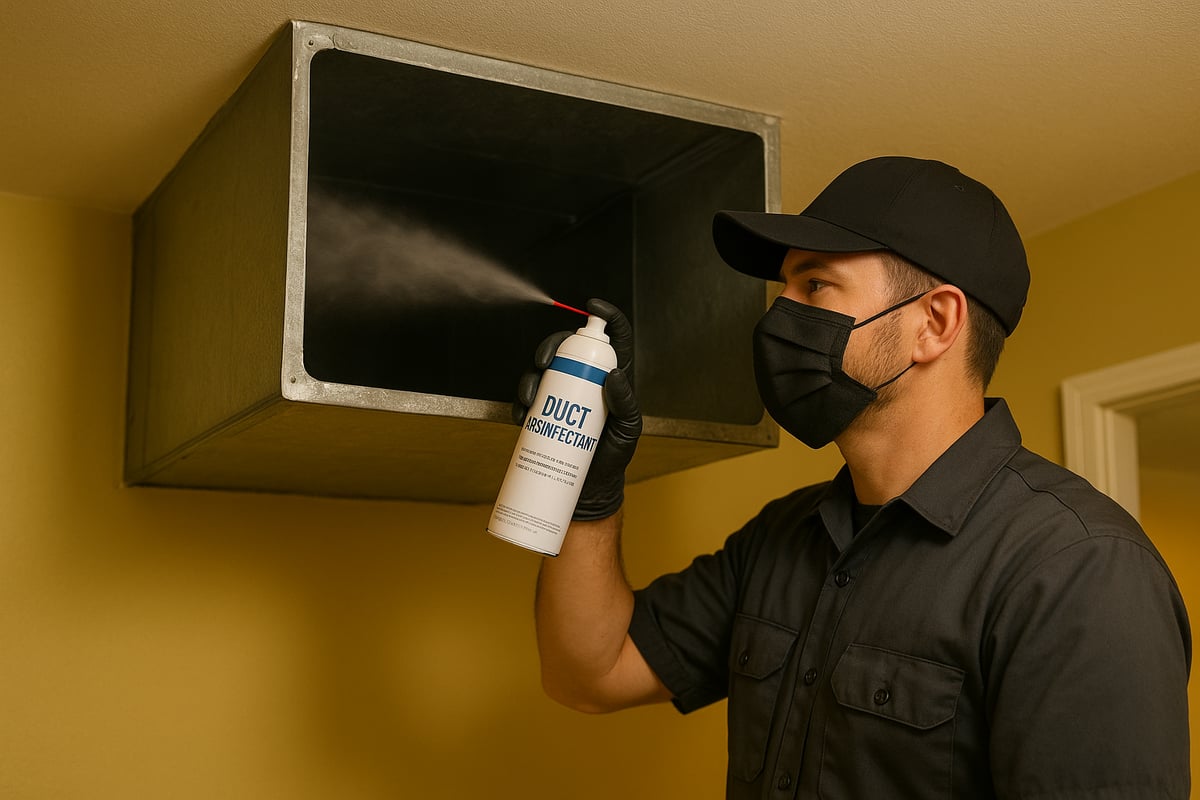
After debris removal, sanitization is essential. EPA-approved disinfectants are applied to kill bacteria, viruses, and fungi inside the ductwork. In cases where mold or mildew is present, technicians follow strict remediation protocols to ensure complete removal.
UV light technology may be installed to provide ongoing microbial control, especially in humid environments. All products used in expert duct cleaning are chosen for their safety and non-toxicity, protecting both occupants and the environment.
According to the CDC, about 40 percent of homes experience mold issues in their ducts. Professional sanitization is a key defense against these risks, supporting long-term air quality.
Post-Cleaning Inspection & System Testing
The final step in expert duct cleaning is verification. Technicians use cameras to re-inspect the ducts, ensuring every surface is clean. They also test airflow and system pressure to confirm improved HVAC performance.
A detailed report is provided, documenting the work completed and offering recommendations for ongoing maintenance. This transparency gives property owners confidence that their expert duct cleaning investment has delivered measurable results.
Regular follow-up and maintenance are advised to keep ducts clean and systems running efficiently year-round.
Advanced Duct Cleaning Solutions & Innovations for 2026
As we enter 2026, expert duct cleaning is fueled by a wave of advanced technologies and smarter solutions. Homeowners and facility managers are looking for more efficient, thorough, and sustainable ways to keep indoor air pristine. Let us explore the latest innovations transforming the expert duct cleaning industry.
Robotic Cleaning and AI Diagnostics
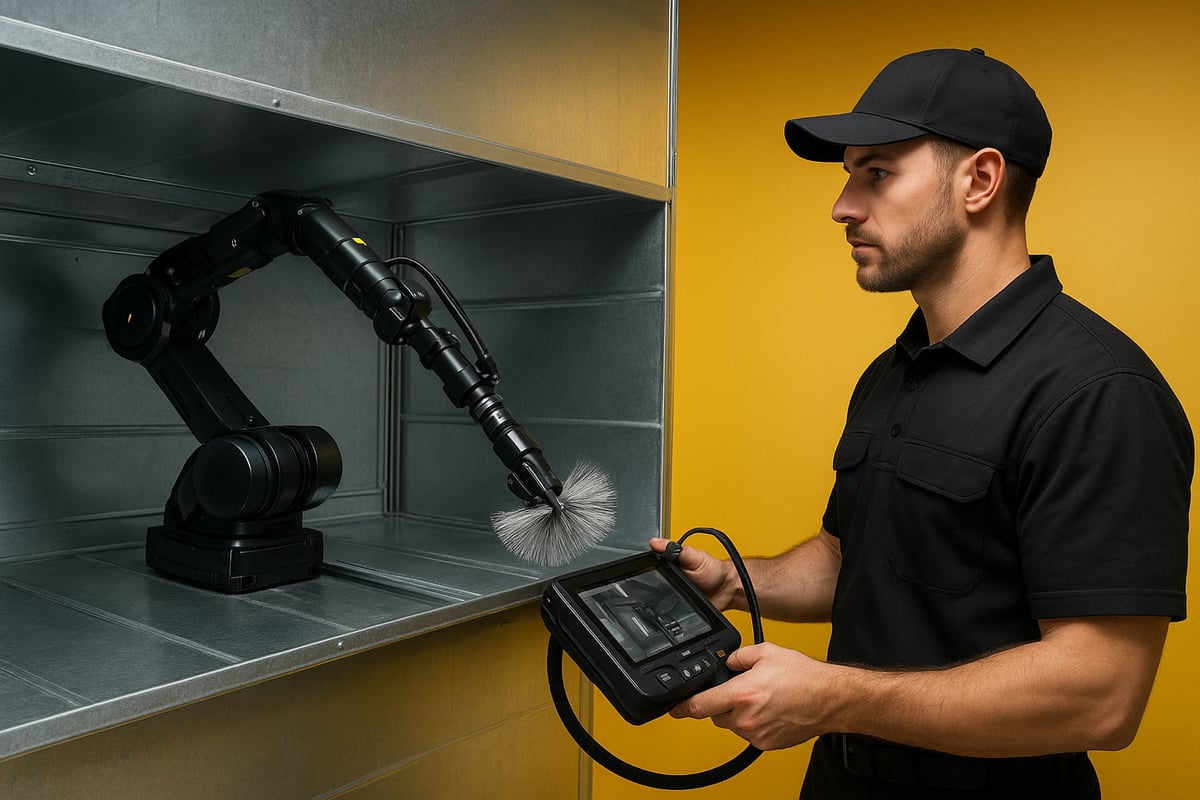
The evolution of robotic cleaning systems is a game changer for expert duct cleaning. These robots are equipped with cameras, flexible brushes, and real-time sensors, allowing technicians to inspect and clean even the most complex ductwork. AI-powered diagnostics analyze airflow, detect blockages, and create tailored cleaning plans.
This advanced approach ensures every inch of ductwork is reached, minimizing human error and maximizing efficiency. In commercial settings, automated cleaning robots can be scheduled to operate during off-peak hours, reducing disruption while maintaining optimal air quality.
HEPA and UV-C Technology Upgrades
Modern expert duct cleaning solutions now include high efficiency particulate air (HEPA) filtration vacuums. These vacuums trap up to 99.97 percent of airborne particles, including dust, pollen, and microscopic contaminants. This is essential for environments where clean air is critical, such as hospitals and schools.
UV-C light technology is another leap forward. Installed within the HVAC system, these lights continuously neutralize bacteria, mold, and viruses. This dual approach not only removes existing contaminants but also prevents future microbial growth, supporting healthier indoor environments.
Technology Comparison Table
| Technology | Main Benefit | Typical Application |
|---|---|---|
| Robotic Cleaning | Deep, precise cleaning | Residential, commercial, industrial |
| HEPA Vacuum | Superior particle capture | Healthcare, schools, offices |
| UV-C Light | Microbial control | Humid or allergy prone areas |
Smart Sensors and Home Integration
Smart home integration is revolutionizing expert duct cleaning. Sensors now monitor indoor air quality in real time, detecting increases in dust, VOCs, or humidity. When air quality drops, these systems can automatically schedule a cleaning, ensuring a proactive approach to maintenance.
According to industry data, smart sensors can reduce unnecessary cleanings by 25 percent, saving both time and money. Mobile apps provide homeowners with instant alerts and maintenance reminders, making it easier than ever to maintain a healthy living environment.
Eco-Friendly Solutions and Comprehensive Care
Sustainability is a top priority in expert duct cleaning for 2026. Eco-friendly cleaning agents are now standard, offering powerful results without harsh chemicals. Many leading providers pursue green certifications, giving clients peace of mind about environmental impact.
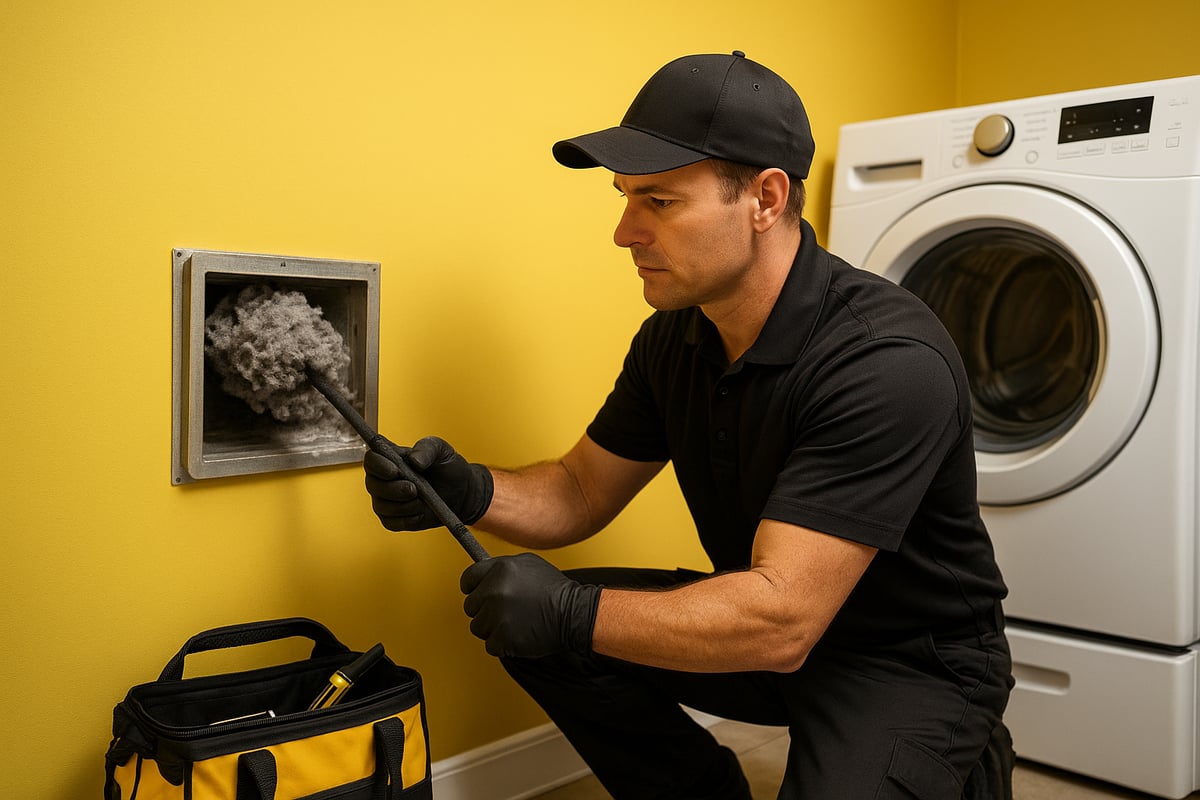
Comprehensive system care is also critical. Services now include dryer vent and condenser coil cleaning, which are essential for fire prevention and HVAC efficiency. Leading providers, such as Detroit’s top duct cleaning professionals, combine advanced technology with eco-conscious practices, setting new benchmarks for the industry.
Real-World Impact and the Future
A recent example illustrates these advancements in action. A large commercial facility implemented automated robotic cleaning and smart sensors. As a result, they experienced a 30 percent reduction in energy costs and a significant improvement in indoor air quality.
Expert duct cleaning is no longer just about removing dust. With robotics, AI, advanced filtration, and eco-friendly solutions, 2026 marks a new era of efficiency and health for every property.
Choosing a Professional Duct Cleaning Service
Selecting the right expert duct cleaning provider is essential for ensuring your indoor air quality and HVAC system performance meet the highest standards. With more companies entering the market in 2026, understanding what sets true professionals apart is more important than ever.
Credentials and Certifications
Always verify that your chosen provider holds up-to-date credentials. Look for NADCA (National Air Duct Cleaners Association) certification, which demonstrates adherence to strict industry standards. Confirm that the company maintains proper licensing and insurance, protecting both you and their employees during expert duct cleaning services.
For more information, review the NADCA’s 2025 ACR Standard, which outlines the latest guidelines for cleaning and restoring HVAC systems.
Questions to Ask and Red Flags
Before hiring any expert duct cleaning company, ask about their process transparency and the specific equipment they use. Reliable providers will explain their safety protocols and describe how they protect your home or business during cleaning.
Be cautious of unusually low pricing or companies unwilling to provide references. Non-standard procedures and vague answers to your questions are signs to look elsewhere. A reputable expert duct cleaning service should welcome your inquiries and offer clear, detailed explanations.
Comparing Residential and Commercial/Industrial Needs
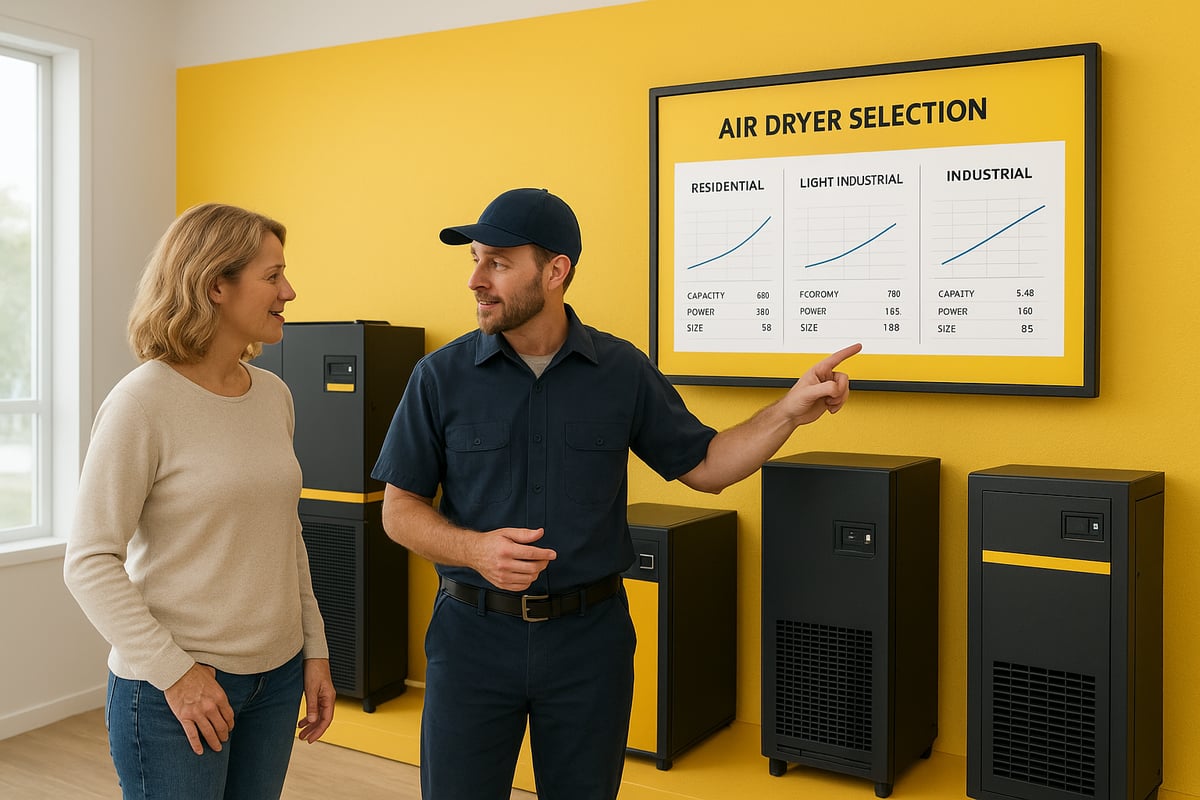
Residential and commercial or industrial environments have different requirements. Residential duct cleaning often focuses on family health and energy savings, while commercial projects may demand compliance with stricter industry regulations and advanced equipment.
| Feature | Residential | Commercial/Industrial |
|---|---|---|
| Focus | Family health, comfort | Compliance, large-scale systems |
| Equipment | Standard HEPA vacuums | Industrial-grade machinery |
| Cleaning Frequency | 3-5 years (average) | 1-3 years (high use areas) |
| Best Practices | NADCA, EPA guidelines | Custom protocols, NADCA |
To learn more about specialized residential solutions, consider reviewing residential duct cleaning services for a breakdown of offerings tailored to homeowners.
Checklist for Evaluating Providers
A thorough evaluation is the cornerstone of expert duct cleaning success. Use this checklist to assess potential providers:
- NADCA certification and proof of insurance
- Transparent explanation of cleaning procedures
- Modern, well-maintained equipment
- Written estimate and service agreement
- Positive reviews and references
- Emergency service availability
According to industry data, certified expert duct cleaning services reduce post-cleaning complaints by 60%. Choosing wisely not only protects your investment but also ensures long-term air quality and energy efficiency.
Maintenance & Prevention: Keeping Your Ducts Clean Year-Round
Maintaining clean air ducts is essential for healthy indoor air and efficient HVAC operation all year. With a proactive approach, you can extend system life, lower costs, and enjoy cleaner air in every season. Let us explore how expert duct cleaning and strategic maintenance can deliver these results.
Routine Cleaning Frequency
Determining how often to schedule expert duct cleaning depends on your property type and usage. For most homes, a thorough cleaning every three to five years is typically sufficient. However, families with pets, allergies, or recent renovations may need more frequent attention.
Businesses and industrial sites often require annual or biannual cleanings to address higher occupant density and increased contaminant buildup. Following a set schedule ensures consistent air quality and system efficiency.
Industry research shows that regular cleaning can cut airborne particles by up to 50 percent, improving both health and comfort. For commercial properties, referencing NADCA’s Commercial Cleaning Checklist helps maintain comprehensive and compliant maintenance routines.
DIY Duct Maintenance Tips
While expert duct cleaning is the gold standard, homeowners can extend results with simple, ongoing care. Regularly replace HVAC filters—ideally every two to three months—to keep dust and allergens at bay. Clean vent covers with a damp cloth to prevent buildup.
Maintain ideal indoor humidity, aiming for 30 to 50 percent, to discourage mold and microbial growth. Keep furniture and rugs away from vents to promote airflow. These steps, combined with professional service, provide a strong defense against indoor air pollution.
Recognizing When to Call an Expert
Certain signs indicate it is time for expert duct cleaning. If you notice persistent musty odors, visible dust around registers, or unexplained increases in energy bills, your ducts may be compromised. Other red flags include frequent allergy flare-ups or inconsistent heating and cooling.
Addressing these issues promptly can prevent system strain and costly repairs. The Environmental Protection Agency recommends cleaning if you suspect mold, pest infestation, or excessive dust accumulation. Relying on experts ensures a thorough solution and long-term results.
Insulation, Servicing, and Seasonal Considerations
Proper insulation plays a key role in preventing dust and moisture from entering ductwork. Well-insulated ducts maintain temperature and block external contaminants, reducing cleaning frequency. Pairing insulation upgrades with expert duct cleaning maximizes system efficiency and comfort.
Regular HVAC servicing, including coil and blower maintenance, is equally important. Seasonal changes bring new challenges: pollen in spring, humidity in summer, and dust during heating cycles. Adjust your maintenance strategy to match these conditions and keep air quality high.
According to NADCA’s Study on HVAC Cleaning Benefits, routine cleaning and servicing can significantly improve airflow and energy savings, making year-round diligence worthwhile.
Success Story: Year-Round Clean Ducts
Consider a homeowner who adopted an annual expert duct cleaning plan paired with diligent DIY upkeep. By changing filters, monitoring humidity, and scheduling regular inspections, they maintained pristine ducts throughout the year.
As a result, the home enjoyed fresher air, lower utility bills, and fewer allergy symptoms. This proactive approach demonstrates how a commitment to expert duct cleaning and smart prevention leads to lasting comfort and peace of mind.
Now that you understand the importance of clean air ducts for your health, comfort, and energy savings, it’s the perfect time to take the next step. Whether you’re looking to improve your indoor air quality or boost your HVAC system’s efficiency, working with experienced professionals makes all the difference. At 313 Air Duct & Insulation by Jouny, you can trust our expertise and commitment to creating a healthier environment for your home or business. Ready to see the benefits firsthand? Let’s make your air cleaner and your space more comfortable—Get Free Quote