Did you know that indoor air can be up to five times more polluted than outdoor air? With rising concerns about health and efficiency, duct cleaning has become a priority for homes and businesses in 2026. This guide offers everything you need to know about expert duct cleaning, ensuring your indoor air stays clean and your HVAC system runs at peak performance.
We will explore the basics, health and energy benefits, the step-by-step process, advanced techniques, how to choose a provider, and practical maintenance tips. Trust this expert-driven resource to help you breathe easier and save money in the year ahead.
Understanding Duct Cleaning: The 2026 Landscape
Indoor air quality is now a top concern for property owners, making expert duct cleaning a vital part of modern building maintenance. Duct cleaning involves the removal of dust, debris, and contaminants from the HVAC system’s ductwork to ensure healthy and efficient airflow throughout homes and businesses.
Defining Duct Cleaning and Its Role in 2026
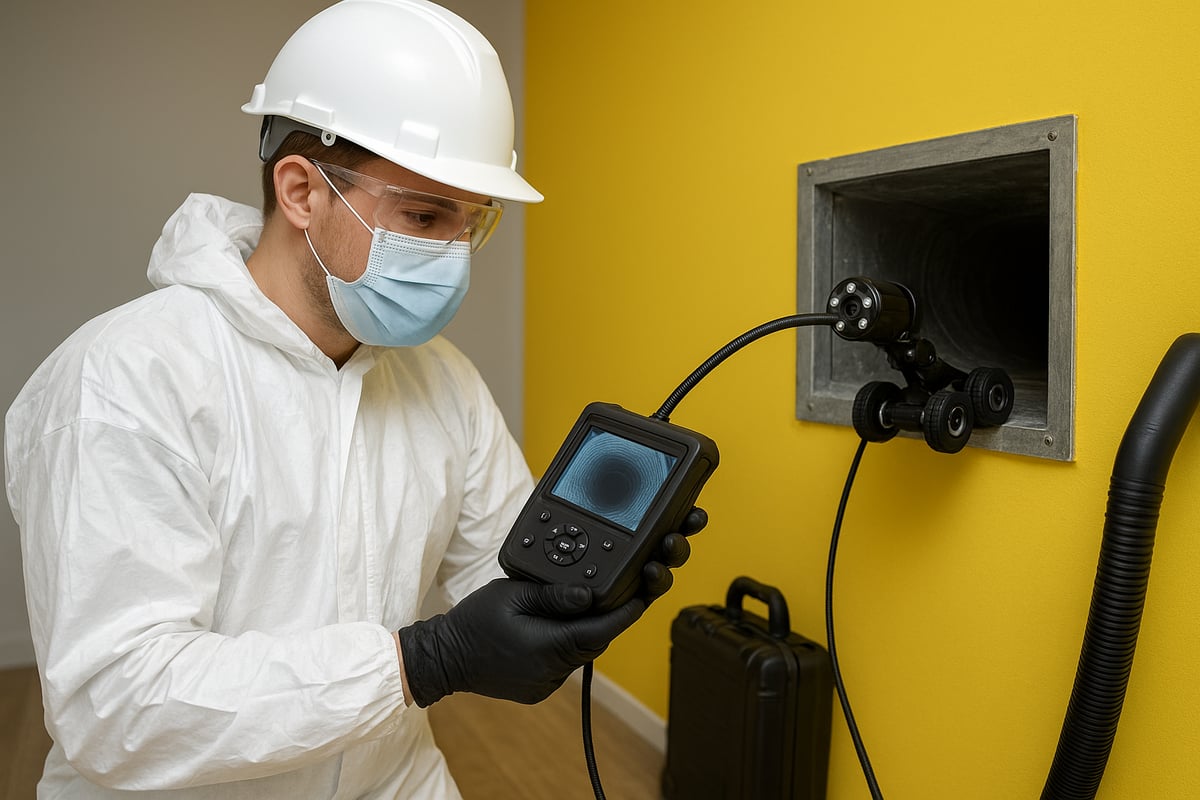
Expert duct cleaning plays a crucial role in safeguarding indoor environments. As homes and commercial spaces become more airtight for energy efficiency, pollutants can accumulate quickly. Regular cleaning removes dust, pollen, pet dander, mold, bacteria, and volatile organic compounds (VOCs) that would otherwise circulate indoors.
Emerging Trends in Ductwork and HVAC Technology
Innovations in ductwork design and HVAC systems are shaping cleaning needs in 2026. Modern ducts are often narrower and use flexible materials, which can trap debris more easily. Smart HVAC systems now include sensors that monitor air quality, alerting property managers when expert duct cleaning is necessary. These advancements improve efficiency but also require updated cleaning techniques to ensure ducts remain free of blockages.
Common Contaminants and Their Impact
A variety of contaminants threaten indoor air quality. The most prevalent include:
| Contaminant | Health Risks | Efficiency Loss |
|---|---|---|
| Dust & Debris | Allergies, asthma | High |
| Pet Dander | Respiratory irritation | Moderate |
| Mold & Bacteria | Infections, illness | High |
| VOCs | Headaches, fatigue | Low |
Expert duct cleaning targets these pollutants, significantly reducing health risks and system strain.
Health and Energy Efficiency Implications
When ducts are clogged, the HVAC system must work harder, resulting in up to a 30% increase in energy bills, according to EPA data. Poorly maintained ducts can cause respiratory issues, more frequent allergies, and higher illness rates. In fact, 9 out of 10 HVAC system failures are directly linked to dirt and dust buildup, as reported by NADCA. Property owners who invest in expert duct cleaning not only protect their health but also prolong the life of their HVAC systems.
Regulatory Updates and Industry Standards
The duct cleaning industry in 2026 is governed by updated standards and regulations. Key requirements include:
- Compliance with NADCA’s 2025 ACR Standard for assessment and cleaning
- Use of EPA-approved cleaning agents
- Mandatory camera inspections for commercial sites
- Documentation and reporting after each service
These protocols ensure that expert duct cleaning provides measurable results and consistent safety for all building types.
Real-World Scenarios: Residential, Commercial, and Industrial
In a residential setting, a family with allergy sufferers benefits from annual duct cleaning that removes pollen and pet fur. For commercial properties, employee productivity improves when expert duct cleaning eliminates mold and dust, reducing sick days. Industrial facilities rely on frequent cleaning to prevent machinery breakdowns and ensure regulatory compliance.
For a deeper dive into the essential steps and benefits, consult What is air duct cleaning and benefits.
Conclusion
Understanding the evolving landscape of duct cleaning is critical for proactive building management. As technology and standards advance, the need for expert duct cleaning becomes even more apparent. Clean ducts mean cleaner air, greater energy savings, and healthier indoor spaces for everyone.
Why Expert Duct Cleaning Matters: Health, Safety & Savings
Did you know that investing in expert duct cleaning can transform the air you breathe every day? Maintaining clean air ducts is more than just a matter of comfort—it is essential for the health, safety, and financial well-being of your home or business.

The Health Impact of Expert Duct Cleaning
Indoor air can contain a surprising amount of dust, pollen, pet dander, mold spores, and even bacteria. Over time, these contaminants accumulate within your ductwork, recirculating throughout your space.
Expert duct cleaning removes these pollutants, resulting in cleaner, fresher air. The benefits are especially noticeable for those with allergies, asthma, or respiratory conditions. Cleaner ducts mean fewer allergy flare-ups, reduced asthma attacks, and a healthier environment for everyone.
Safety and Fire Prevention
Safety is another critical reason to choose expert duct cleaning. Dust and lint buildup, especially in dryer vents, can pose a significant fire hazard. Regular cleaning by trained professionals reduces this risk, protecting your property and those inside it.
Expert duct cleaning also addresses hidden mold and mildew, which can thrive in damp ductwork. Mold spores not only trigger health issues but can also compromise the structural integrity of your HVAC system.
Cost Savings and System Longevity
Did you know that clogged ducts force your HVAC system to work harder, increasing energy consumption? Expert duct cleaning improves airflow and efficiency, often lowering annual energy bills by $200 or more.
A clean system also lasts longer. Routine duct maintenance can extend the lifespan of your HVAC equipment by 5 to 10 years, reducing the need for costly repairs or replacements.
Consider this quick summary:
| Benefit | Impact |
|---|---|
| Energy Savings | $200+ per year |
| System Longevity | Adds 5-10 years to HVAC lifespan |
| Health Improvements | Fewer illnesses and allergy symptoms |
| Safety | Reduced risk of fire and mold |
Real-world Benefits and EPA Guidance
The importance of expert duct cleaning is recognized by leading authorities. The EPA’s Guide on Air Duct Cleaning recommends cleaning when you detect mold, pests, or excessive dust in your system.
A recent case highlights these benefits. After expert duct cleaning in a commercial building, employees reported fewer sick days and improved productivity. Cleaner air led to a healthier, more comfortable workplace, demonstrating the tangible advantages of regular service.
Choosing expert duct cleaning is not just a maintenance task—it is a proactive investment in health, safety, and savings.
Step-by-Step Expert Duct Cleaning Process
Ensuring clean air in your home or business begins with a thorough, systematic approach. The expert duct cleaning process is designed to maximize indoor air quality, system performance, and safety. Each stage is completed with precision, using advanced tools and techniques that set true professionals apart.
Initial Assessment & Inspection
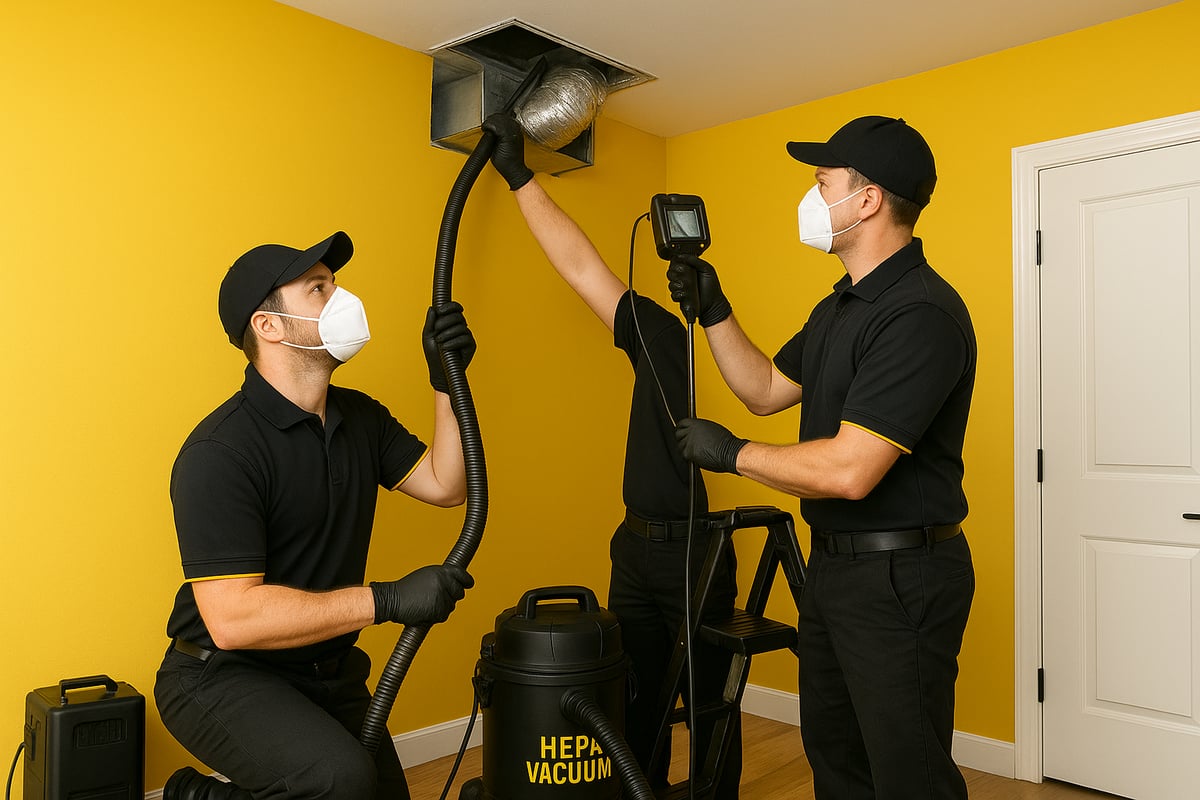
Every expert duct cleaning project starts with a detailed inspection. Technicians use specialized cameras and diagnostic devices to visually examine the entire ductwork system. This helps identify hidden debris, mold, and blockages that impact air quality and system efficiency.
Key steps include:
- Using robotic cameras to access hard-to-reach areas.
- Documenting problem spots, such as microbial growth or heavy dust buildup.
- Assessing the type and condition of ductwork to tailor the cleaning approach.
Professional assessment is crucial. Unlike DIY attempts, certified experts follow established checklists, such as those from NADCA, to ensure nothing is overlooked. A comprehensive plan is then created to address every identified issue, setting the stage for an effective expert duct cleaning result.
Preparation & Safety Protocols
Before cleaning begins, safety is the priority. Technicians shut down the HVAC system to prevent dust circulation and secure all registers and vents to contain contaminants. This protects both the property and its occupants.
Essential safety protocols include:
- Wearing personal protective equipment (PPE) like masks, gloves, and goggles.
- Setting up proper ventilation to expel airborne particles.
- Ensuring pets and people are kept clear of the work area.
These steps ensure that expert duct cleaning is performed without risk to health or property, maintaining a controlled environment throughout the process.
Source Removal & Cleaning Techniques
The core of expert duct cleaning is removing accumulated contaminants. Mechanical agitation tools—such as rotary brushes, flexible air whips, and compressed air tools—are used to loosen dust, pollen, and debris from duct surfaces.
A high-powered HEPA vacuum system then collects the dislodged particles, trapping even the smallest allergens. Different tools are selected based on whether ducts are flexible or rigid, ensuring thorough cleaning without causing damage.
Technicians also clean related HVAC components, including coils, blower motors, and plenum boxes, for a complete solution. Before-and-after images often reveal dramatic improvements in cleanliness.
For a detailed breakdown of each cleaning step and equipment used, visit this Step-by-step air duct cleaning guide.
Expert duct cleaning in this phase not only removes visible debris but also addresses hidden biological contaminants, providing cleaner, healthier air for everyone inside.
Sanitization & Mold Treatment
After debris removal, sanitization is essential. EPA-approved disinfectants are applied to kill bacteria, viruses, and fungi inside the ductwork. In cases where mold or mildew is present, technicians follow strict remediation protocols to ensure complete removal.
UV light technology may be installed to provide ongoing microbial control, especially in humid environments. All products used in expert duct cleaning are chosen for their safety and non-toxicity, protecting both occupants and the environment.
According to the CDC, about 40 percent of homes experience mold issues in their ducts. Professional sanitization is a key defense against these risks, supporting long-term air quality.
Post-Cleaning Inspection & System Testing
The final step in expert duct cleaning is verification. Technicians use cameras to re-inspect the ducts, ensuring every surface is clean. They also test airflow and system pressure to confirm improved HVAC performance.
A detailed report is provided, documenting the work completed and offering recommendations for ongoing maintenance. This transparency gives property owners confidence that their expert duct cleaning investment has delivered measurable results.
Regular follow-up and maintenance are advised to keep ducts clean and systems running efficiently year-round.
Advanced Duct Cleaning Solutions & Innovations for 2026
As we enter 2026, expert duct cleaning is fueled by a wave of advanced technologies and smarter solutions. Homeowners and facility managers are looking for more efficient, thorough, and sustainable ways to keep indoor air pristine. Let us explore the latest innovations transforming the expert duct cleaning industry.
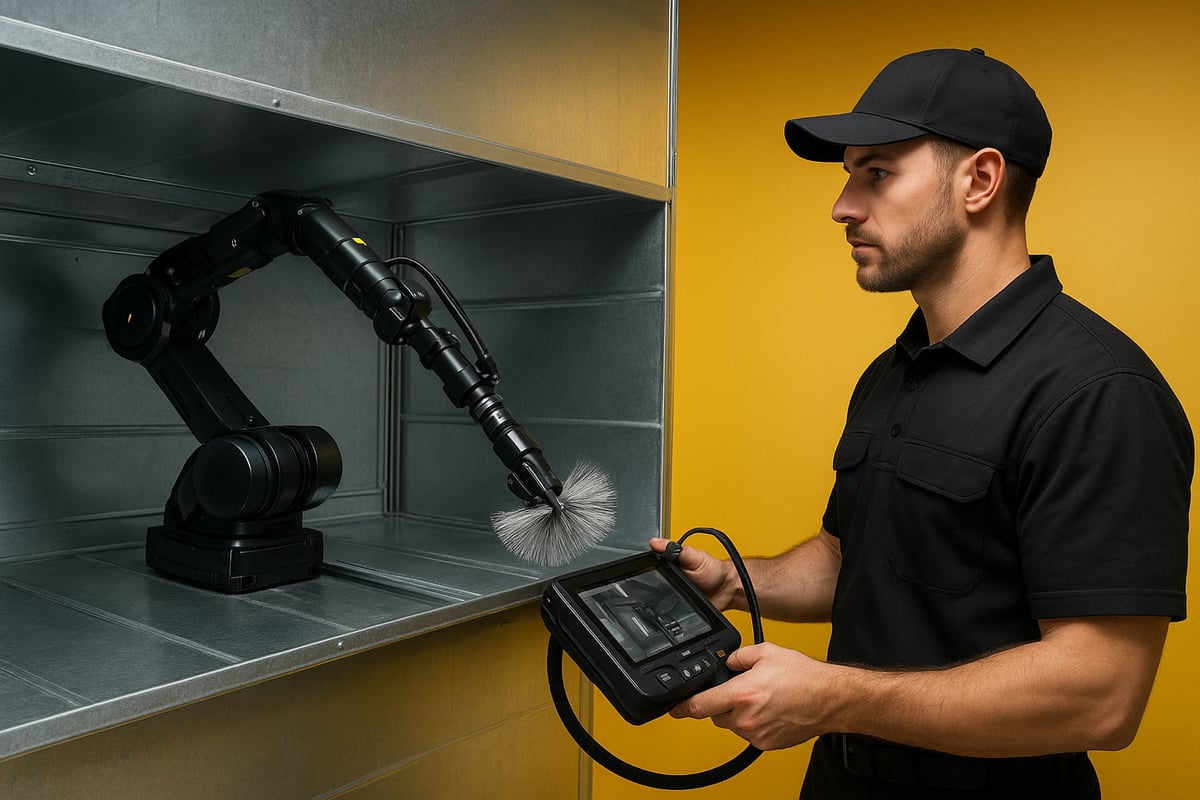
Robotic Cleaning and AI Diagnostics
The evolution of robotic cleaning systems is a game changer for expert duct cleaning. These robots are equipped with cameras, flexible brushes, and real-time sensors, allowing technicians to inspect and clean even the most complex ductwork. AI-powered diagnostics analyze airflow, detect blockages, and create tailored cleaning plans.
This advanced approach ensures every inch of ductwork is reached, minimizing human error and maximizing efficiency. In commercial settings, automated cleaning robots can be scheduled to operate during off-peak hours, reducing disruption while maintaining optimal air quality.
HEPA and UV-C Technology Upgrades
Modern expert duct cleaning solutions now include high efficiency particulate air (HEPA) filtration vacuums. These vacuums trap up to 99.97 percent of airborne particles, including dust, pollen, and microscopic contaminants. This is essential for environments where clean air is critical, such as hospitals and schools.
UV-C light technology is another leap forward. Installed within the HVAC system, these lights continuously neutralize bacteria, mold, and viruses. This dual approach not only removes existing contaminants but also prevents future microbial growth, supporting healthier indoor environments.
Technology Comparison Table
| Technology | Main Benefit | Typical Application |
|---|---|---|
| Robotic Cleaning | Deep, precise cleaning | Residential, commercial, industrial |
| HEPA Vacuum | Superior particle capture | Healthcare, schools, offices |
| UV-C Light | Microbial control | Humid or allergy prone areas |
Smart Sensors and Home Integration
Smart home integration is revolutionizing expert duct cleaning. Sensors now monitor indoor air quality in real time, detecting increases in dust, VOCs, or humidity. When air quality drops, these systems can automatically schedule a cleaning, ensuring a proactive approach to maintenance.
According to industry data, smart sensors can reduce unnecessary cleanings by 25 percent, saving both time and money. Mobile apps provide homeowners with instant alerts and maintenance reminders, making it easier than ever to maintain a healthy living environment.
Eco-Friendly Solutions and Comprehensive Care
Sustainability is a top priority in expert duct cleaning for 2026. Eco-friendly cleaning agents are now standard, offering powerful results without harsh chemicals. Many leading providers pursue green certifications, giving clients peace of mind about environmental impact.
Comprehensive system care is also critical. Services now include dryer vent and condenser coil cleaning, which are essential for fire prevention and HVAC efficiency. Leading providers, such as Detroit’s top duct cleaning professionals, combine advanced technology with eco-conscious practices, setting new benchmarks for the industry.
Real-World Impact and the Future
A recent example illustrates these advancements in action. A large commercial facility implemented automated robotic cleaning and smart sensors. As a result, they experienced a 30 percent reduction in energy costs and a significant improvement in indoor air quality.
Expert duct cleaning is no longer just about removing dust. With robotics, AI, advanced filtration, and eco-friendly solutions, 2026 marks a new era of efficiency and health for every property.
Choosing a Professional Duct Cleaning Service
Selecting the right expert duct cleaning provider is essential for ensuring your indoor air quality and HVAC system performance meet the highest standards. With more companies entering the market in 2026, understanding what sets true professionals apart is more important than ever.
Credentials and Certifications
Always verify that your chosen provider holds up-to-date credentials. Look for NADCA (National Air Duct Cleaners Association) certification, which demonstrates adherence to strict industry standards. Confirm that the company maintains proper licensing and insurance, protecting both you and their employees during expert duct cleaning services.
For more information, review the NADCA’s 2025 ACR Standard, which outlines the latest guidelines for cleaning and restoring HVAC systems.
Questions to Ask and Red Flags
Before hiring any expert duct cleaning company, ask about their process transparency and the specific equipment they use. Reliable providers will explain their safety protocols and describe how they protect your home or business during cleaning.
Be cautious of unusually low pricing or companies unwilling to provide references. Non-standard procedures and vague answers to your questions are signs to look elsewhere. A reputable expert duct cleaning service should welcome your inquiries and offer clear, detailed explanations.
Comparing Residential and Commercial/Industrial Needs
Residential and commercial or industrial environments have different requirements. Residential duct cleaning often focuses on family health and energy savings, while commercial projects may demand compliance with stricter industry regulations and advanced equipment.
| Feature | Residential | Commercial/Industrial |
|---|---|---|
| Focus | Family health, comfort | Compliance, large-scale systems |
| Equipment | Standard HEPA vacuums | Industrial-grade machinery |
| Cleaning Frequency | 3-5 years (average) | 1-3 years (high use areas) |
| Best Practices | NADCA, EPA guidelines | Custom protocols, NADCA |
To learn more about specialized residential solutions, consider reviewing residential duct cleaning services for a breakdown of offerings tailored to homeowners.
Checklist for Evaluating Providers
A thorough evaluation is the cornerstone of expert duct cleaning success. Use this checklist to assess potential providers:
- NADCA certification and proof of insurance
- Transparent explanation of cleaning procedures
- Modern, well-maintained equipment
- Written estimate and service agreement
- Positive reviews and references
- Emergency service availability
According to industry data, certified expert duct cleaning services reduce post-cleaning complaints by 60%. Choosing wisely not only protects your investment but also ensures long-term air quality and energy efficiency.
Maintenance & Prevention: Keeping Your Ducts Clean Year-Round
Maintaining clean air ducts is essential for healthy indoor air and efficient HVAC operation all year. With a proactive approach, you can extend system life, lower costs, and enjoy cleaner air in every season. Let us explore how expert duct cleaning and strategic maintenance can deliver these results.
Routine Cleaning Frequency
Determining how often to schedule expert duct cleaning depends on your property type and usage. For most homes, a thorough cleaning every three to five years is typically sufficient. However, families with pets, allergies, or recent renovations may need more frequent attention.
Businesses and industrial sites often require annual or biannual cleanings to address higher occupant density and increased contaminant buildup. Following a set schedule ensures consistent air quality and system efficiency.
Industry research shows that regular cleaning can cut airborne particles by up to 50 percent, improving both health and comfort. For commercial properties, referencing NADCA’s Commercial Cleaning Checklist helps maintain comprehensive and compliant maintenance routines.
DIY Duct Maintenance Tips
While expert duct cleaning is the gold standard, homeowners can extend results with simple, ongoing care. Regularly replace HVAC filters—ideally every two to three months—to keep dust and allergens at bay. Clean vent covers with a damp cloth to prevent buildup.
Maintain ideal indoor humidity, aiming for 30 to 50 percent, to discourage mold and microbial growth. Keep furniture and rugs away from vents to promote airflow. These steps, combined with professional service, provide a strong defense against indoor air pollution.
Recognizing When to Call an Expert
Certain signs indicate it is time for expert duct cleaning. If you notice persistent musty odors, visible dust around registers, or unexplained increases in energy bills, your ducts may be compromised. Other red flags include frequent allergy flare-ups or inconsistent heating and cooling.
Addressing these issues promptly can prevent system strain and costly repairs. The Environmental Protection Agency recommends cleaning if you suspect mold, pest infestation, or excessive dust accumulation. Relying on experts ensures a thorough solution and long-term results.
Insulation, Servicing, and Seasonal Considerations
Proper insulation plays a key role in preventing dust and moisture from entering ductwork. Well-insulated ducts maintain temperature and block external contaminants, reducing cleaning frequency. Pairing insulation upgrades with expert duct cleaning maximizes system efficiency and comfort.
Regular HVAC servicing, including coil and blower maintenance, is equally important. Seasonal changes bring new challenges: pollen in spring, humidity in summer, and dust during heating cycles. Adjust your maintenance strategy to match these conditions and keep air quality high.
According to NADCA’s Study on HVAC Cleaning Benefits, routine cleaning and servicing can significantly improve airflow and energy savings, making year-round diligence worthwhile.
Success Story: Year-Round Clean Ducts
Consider a homeowner who adopted an annual expert duct cleaning plan paired with diligent DIY upkeep. By changing filters, monitoring humidity, and scheduling regular inspections, they maintained pristine ducts throughout the year.
As a result, the home enjoyed fresher air, lower utility bills, and fewer allergy symptoms. This proactive approach demonstrates how a commitment to expert duct cleaning and smart prevention leads to lasting comfort and peace of mind.
Now that you understand the importance of clean air ducts for your health, comfort, and energy savings, it’s the perfect time to take the next step. Whether you’re looking to improve your indoor air quality or boost your HVAC system’s efficiency, working with experienced professionals makes all the difference. At 313 Air Duct & Insulation by Jouny, you can trust our expertise and commitment to creating a healthier environment for your home or business. Ready to see the benefits firsthand? Let’s make your air cleaner and your space more comfortable—Get Free Quote
Did you know that neglected dryer vents are a major cause of house fires and wasted energy across the country? Many homeowners and property managers overlook this critical part of routine maintenance, putting both safety and efficiency at risk.
This guide is designed to walk you through every step of local dryer vent cleaning, tailored for the unique challenges and regulations of 2026. You will learn how to spot warning signs, decide between do-it-yourself and professional services, and follow a cleaning process that aligns with modern appliances and updated codes.
Keep reading to protect your home, lower your energy bills, and ensure your dryer lasts longer.
Why Dryer Vent Cleaning Matters in 2026
Dryer vent cleaning is more than a routine chore—it is a vital practice for safety, efficiency, and compliance in modern homes. In 2026, the importance of local dryer vent cleaning is underscored by evolving safety standards, rising energy costs, and updated municipal codes. Understanding the key reasons will help you protect your property and ensure peace of mind.
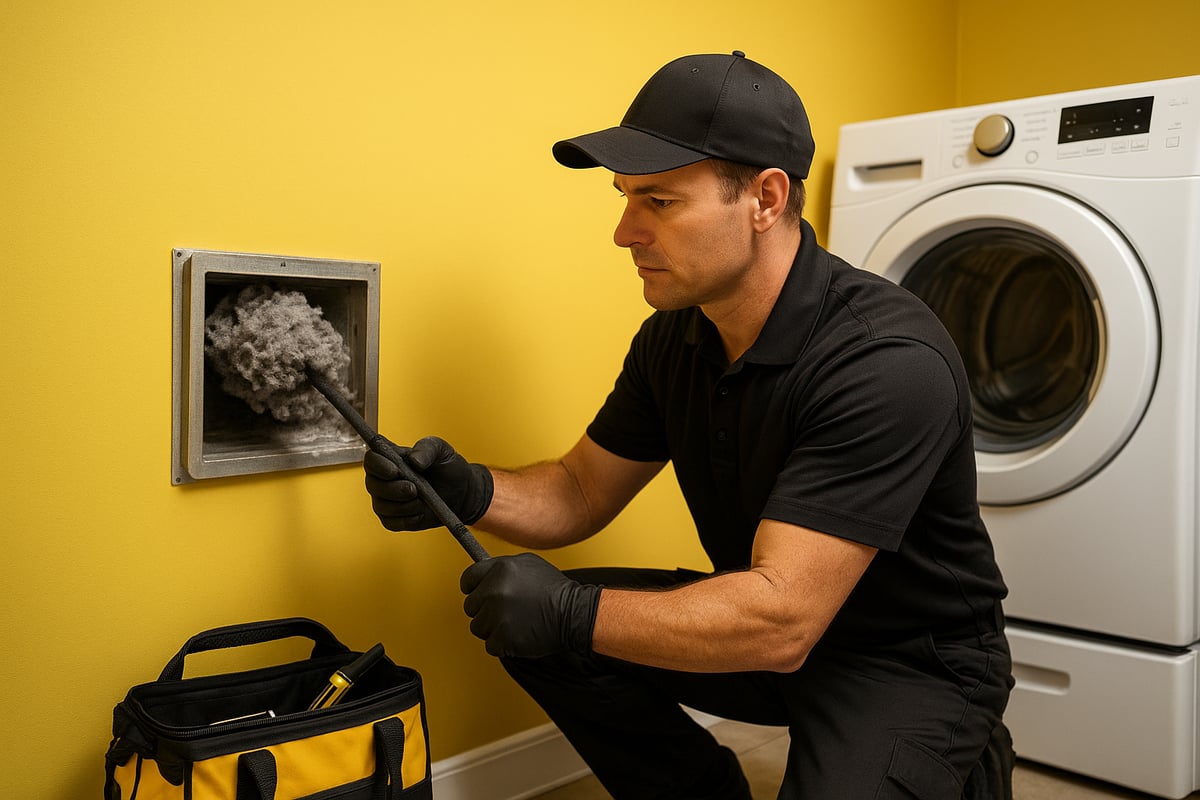
Fire Safety and Prevention
Lint buildup remains the leading cause of dryer-related fires in the United States, contributing to over 15,000 incidents each year. Local fire departments increasingly identify neglected vents as a primary hazard, especially in multi-family buildings. For example, a recent fire in New York City was traced back to an uncleaned vent, resulting in significant property loss. Insurance companies may deny claims or raise premiums if there is evidence of improper maintenance. Following the NFPA Dryer Fire Prevention guidelines is essential to minimize these risks. Prioritizing local dryer vent cleaning significantly reduces the likelihood of fire and related damages.
Energy Efficiency and Cost Savings
A clogged vent forces your dryer to work harder, consuming up to 30% more energy per cycle. This inefficiency quickly adds up, often resulting in higher monthly utility bills. Many homeowners report saving $20 to $30 each month after a thorough local dryer vent cleaning. Shorter drying times also mean less wear on your appliance, reducing the frequency of repairs. By maintaining clear vents, you enjoy both immediate and long-term financial benefits.
- Save on energy bills
- Lower appliance repair costs
- Reduce environmental impact
Investing in local dryer vent cleaning is a practical way to improve your home's efficiency and cut costs.
Appliance Longevity and Performance
Regular local dryer vent cleaning preserves your appliance's performance and extends its lifespan. When vents become clogged, dryers can overheat, leading to breakdowns and costly repairs. Manufacturers often require proof of maintenance to honor warranties, making routine cleaning critical. By keeping vents clear of debris, you prevent overheating and ensure your dryer operates at peak efficiency for years to come. This proactive approach protects your investment and reduces the risk of unexpected failures.
Indoor Air Quality and Health
Blocked dryer vents can cause excess moisture, leading to mold, mildew, and allergen buildup in your laundry area. This is particularly concerning for families with allergies or respiratory issues. Local dryer vent cleaning improves indoor air quality by removing trapped lint and preventing the growth of harmful microbes. Data shows that homes with clean vents report fewer air quality complaints and a healthier living environment. Routine cleaning is a simple yet effective way to safeguard your family's health.
Compliance with Local Codes and Insurance
Many municipalities, including major cities like New York and Los Angeles, have updated their codes for 2026 to mandate regular dryer vent cleaning. Insurance providers may require documentation of local dryer vent cleaning to maintain coverage or process claims. Failing to comply with these regulations can result in fines or denied insurance payouts. Staying up to date with local requirements protects your property, ensures eligibility for insurance, and demonstrates responsible homeownership. Always keep records of your cleaning and inspections for peace of mind.
Preparing for Dryer Vent Cleaning
Proper preparation is crucial for successful local dryer vent cleaning. Taking a methodical approach helps ensure your system is cleaned thoroughly and safely, while also meeting local guidelines. Here’s how to get started and what to look out for before you begin.
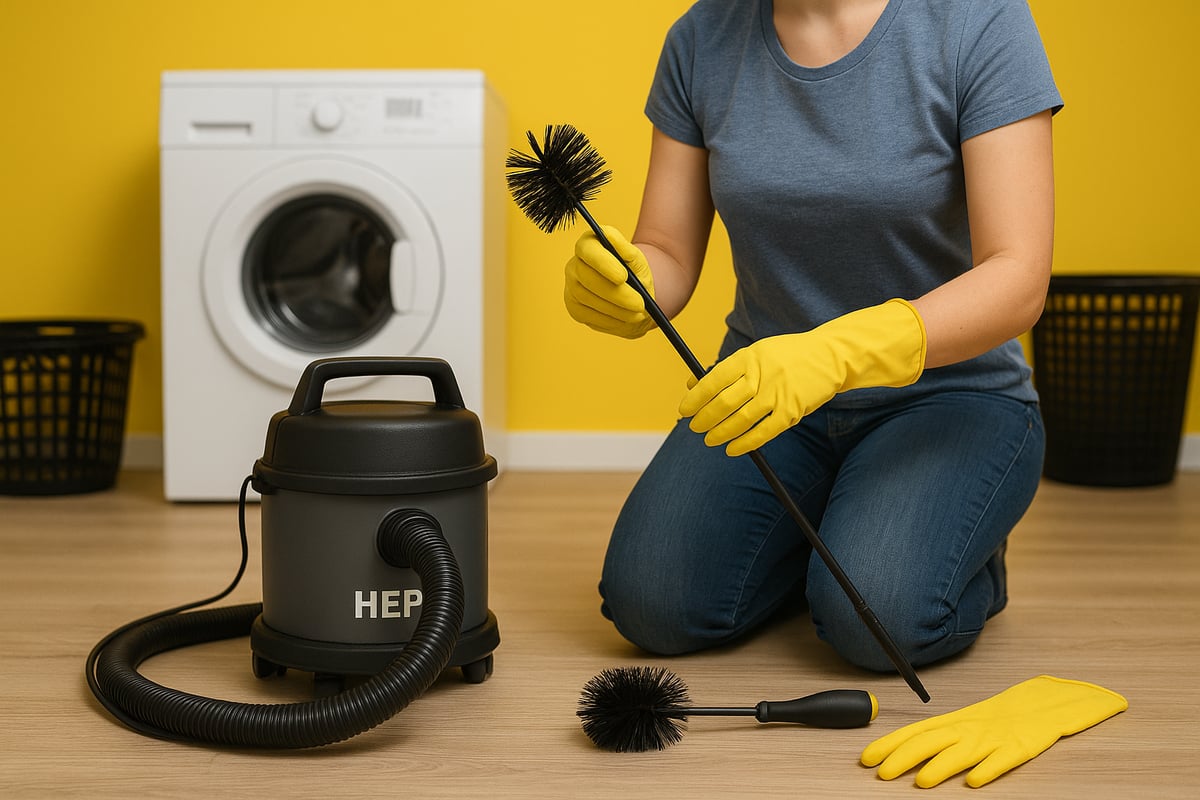
Identifying Signs Your Dryer Vent Needs Cleaning
Recognizing early warning signs is the first step in local dryer vent cleaning. If your clothes are taking longer to dry, or feel unusually hot, your vent may be clogged.
Check if your dryer’s exterior is hot to the touch, or if you notice musty odors in the laundry area. Visible lint around the vent opening or increased humidity are also common indicators. For those with smart dryers, pay attention to lint alerts or error codes, as these can signal it’s time for a cleaning.
Tools and Supplies Checklist
Gathering the right tools streamlines your local dryer vent cleaning project. Essential items include vent brushes, vacuum attachments, screwdrivers, gloves, masks, and eye protection.
A HEPA vacuum is recommended for those seeking to control allergens. Opt for eco-friendly, non-toxic cleaning products to protect your home environment. For a comprehensive look at what you’ll need and why each item matters, see this Dryer Vent Cleaning Overview.
Safety Precautions and Shutoff Procedures
Safety is paramount during local dryer vent cleaning. Always unplug the dryer before starting, and turn off the gas supply if you have a gas-powered unit.
Ventilate the workspace to minimize dust inhalation. Wear gloves, a mask, and eye protection to reduce exposure to lint and cleaning agents. Taking these steps helps prevent accidents and protects your health throughout the cleaning process.
Locating and Inspecting the Dryer Vent System
Before beginning local dryer vent cleaning, locate both the indoor and outdoor vent exits. Inspect the entire system for kinks, blockages, or damaged ductwork that could hinder airflow.
For hard-to-reach sections, consider using an inspection camera, which is more common in homes by 2026. Thorough inspection ensures you address any problem areas, making your cleaning more effective and efficient.
Scheduling and Frequency Recommendations
Establishing a regular cleaning schedule is essential. Industry standards suggest cleaning your dryer vent every 6 to 12 months.
Households with high dryer usage, large families, or pets may need to perform local dryer vent cleaning quarterly. Additionally, local regulations may require annual inspections, so be sure to stay informed about city-specific guidelines.
Step-by-Step Dryer Vent Cleaning Process
A thorough local dryer vent cleaning process safeguards your home, enhances efficiency, and protects your investment. Each step below reflects best practices for 2026, designed to help homeowners and property managers achieve optimal results.

Step 1: Disconnecting and Moving the Dryer
To begin your local dryer vent cleaning, unplug the dryer from its power source. If your dryer is gas-powered, carefully turn off the gas supply. Always prioritize safety by following manufacturer instructions.
Gently pull the dryer away from the wall to access the rear vent. Use furniture sliders or a towel under the feet to prevent scratching floors or damaging surfaces.
Check that all connections, especially gas lines, remain secure and undamaged throughout this process. For tight spaces, enlist a helper to guide the dryer out safely.
Step 2: Cleaning the Lint Trap and Filter Housing
For effective local dryer vent cleaning, remove the lint trap and wash it with warm, soapy water. Allow it to dry completely before reinserting.
Vacuum the filter housing using a narrow nozzle attachment. Use a flashlight to spot hidden lint or debris deep inside crevices.
Regularly cleaning this area not only improves airflow but also reduces fire risk. Smart dryers may display lint alerts when maintenance is overdue, so always reset these indicators after cleaning.
Step 3: Cleaning the Vent Ductwork
Detach the vent hose from both the dryer and the wall. Inspect the hose and duct for visible lint, blockages, or signs of damage.
Insert a flexible vent brush into the ductwork, rotating as you push to loosen lint. For long or complex vents, a rotary brush kit may be necessary for a thorough local dryer vent cleaning.
Vacuum both ends of the duct to collect loosened debris. If you encounter stubborn clogs or inaccessible sections, consider contacting Professional Dryer Vent Cleaning Services for expert assistance.
Step 4: Inspecting and Cleaning the Exterior Vent Hood
Locate the exterior vent hood and remove any cover or protective screen. Clear away lint, leaves, or animal nests that may block airflow.
Clean the vent flap and make sure it opens and closes freely. Birds and rodents often nest in outdoor vents, so inspect carefully during your local dryer vent cleaning.
Wipe down the area around the exterior vent to remove residue or buildup, which can attract pests and restrict airflow.
Step 5: Reassembling and Testing the System
After cleaning, securely reattach the vent hose to both the dryer and the wall duct. Use clamps or metal tape to ensure a tight, leak-free seal.
Gently move the dryer back into position, making sure the vent hose is not kinked or crushed. Plug the dryer back in, and if applicable, turn on the gas supply.
Run the dryer on an air-only or fluff cycle to test for proper airflow. This step confirms the effectiveness of your local dryer vent cleaning.
Step 6: Final Safety and Efficiency Checks
Verify strong exhaust airflow at the exterior vent using an airflow meter or a simple tissue test. The tissue should be held firmly in place by the vent’s exhaust.
Listen for unusual noises, rattling, or vibrations that may indicate loose connections or obstructions. Reset maintenance reminders on smart dryers to keep your local dryer vent cleaning schedule on track.
Confirm that all connections are secure and that there are no lingering odors or signs of overheating.
Step 7: Proper Disposal of Lint and Debris
Collect all lint and debris in a sealed bag for disposal. If local regulations permit, compost lint from natural fibers, but avoid composting synthetic lint.
Sanitize the laundry area, including floors and surfaces near the dryer, to remove allergens and dust left from the local dryer vent cleaning.
Dispose of cleaning materials responsibly, following community guidelines for waste and recycling.
Local Regulations, Codes, and Best Practices for 2026
Staying compliant with local dryer vent cleaning regulations in 2026 is essential for homeowners and property managers. Understanding updated codes, safety standards, and best practices not only protects your property but also ensures insurance coverage and avoids costly penalties.
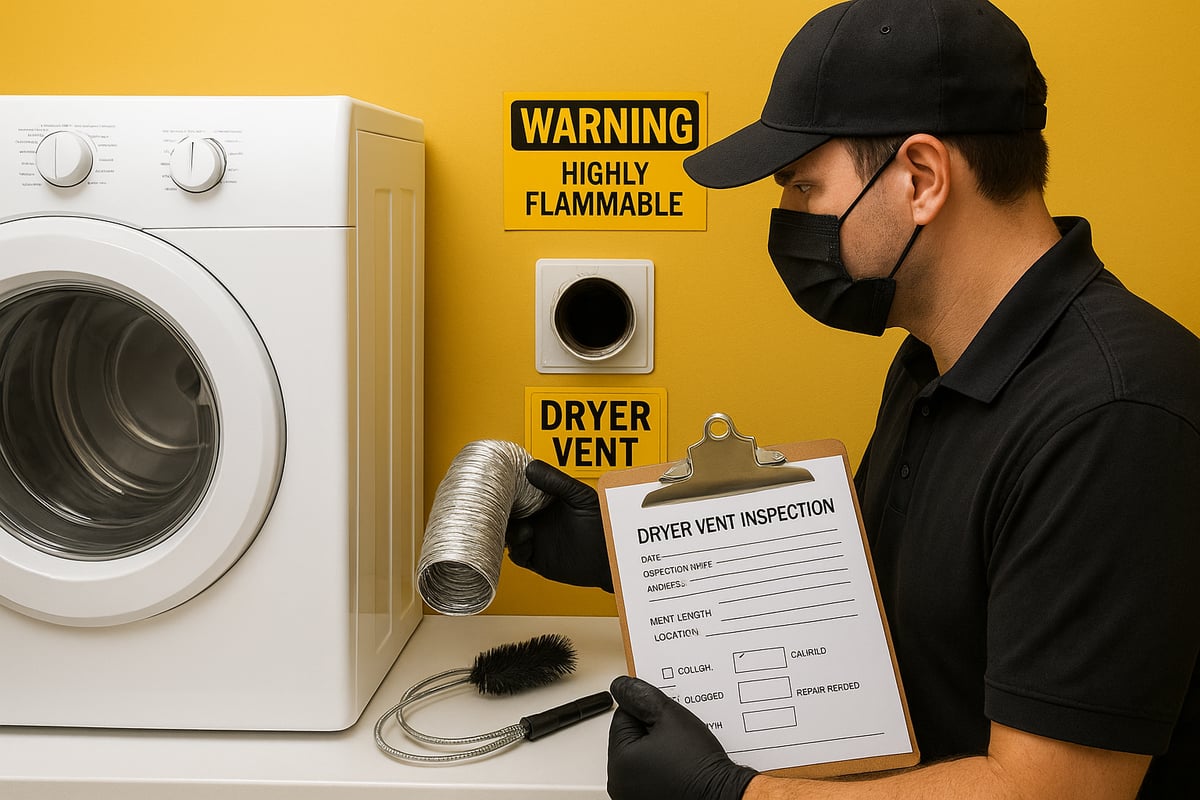
Updated Municipal Codes and Safety Standards
Major U.S. cities like New York, Los Angeles, and Chicago have revised their local dryer vent cleaning codes for 2026. Key changes include stricter maximum vent lengths, mandatory use of fire-resistant ducting, and clear guidelines on vent material types. For example, flexible plastic ducts are now prohibited in many areas, requiring rigid metal alternatives. Non-compliance can result in fines or issues with insurance claims.
Refer to the HUD Dryer Vent Inspection Standards for a comprehensive overview of federal and municipal inspection requirements. Regular local dryer vent cleaning is crucial for meeting these codes and keeping your home safe.
Table: Example 2026 Code Updates by City
| City | Max Vent Length | Approved Material | Fire-Resistant Ducting |
|---|---|---|---|
| NYC | 25 ft | Rigid Metal | Required |
| LA | 20 ft | Rigid Metal | Required |
| Chicago | 25 ft | Rigid Metal | Required |
Permits and Professional Certification Requirements
Some local dryer vent cleaning projects, especially those involving vent rerouting or major repairs, may require permits. Multi-unit or commercial properties often must hire certified professionals to ensure compliance with local and state regulations. Certification demonstrates expertise and reduces the risk of improper installation.
When scheduling local dryer vent cleaning, always verify your technician’s credentials and check if permits are needed for your project. This step is vital for both safety and legal compliance.
Local Environmental Considerations
Cities are increasingly focused on eco-friendly local dryer vent cleaning. Many ordinances now recommend non-toxic cleaning products and require responsible lint disposal. In some regions, lint must be bagged and disposed of with household waste, while others encourage composting when safe.
When performing local dryer vent cleaning, use HEPA vacuums to minimize airborne allergens and support healthy indoor air quality. Following these practices helps protect both your home and the environment.
Insurance and Documentation
Insurance companies often require proof of local dryer vent cleaning for coverage in case of fire or property damage. Keep clear records, including dates, photos, and receipts from professional services. Some providers may request documentation during policy renewals or after claims.
Documenting local dryer vent cleaning not only keeps you compliant but also streamlines insurance claims and policy updates.
Community Resources and Local Assistance Programs
Many communities offer resources to support local dryer vent cleaning. Fire departments may run inspection or education programs to increase awareness. Some municipalities provide rebates or discounts for professional vent cleaning, especially for seniors or low-income households.
Check with your local authorities or utility providers for current programs. Taking advantage of these resources makes local dryer vent cleaning more accessible and affordable.
DIY vs. Professional Dryer Vent Cleaning: Making the Right Choice
Choosing between DIY and professional local dryer vent cleaning is a decision every homeowner faces. Both options have benefits and drawbacks, depending on your comfort level, vent complexity, and local regulations. Understanding these factors helps you make the safest and most cost-effective choice for your property.
Pros and Cons of DIY Cleaning
DIY local dryer vent cleaning appeals to many because it can save money and provide immediate results. If your vent system is short, straight, and easily accessible, you might find DIY sufficient for routine maintenance.
- Pros: Lower cost, immediate scheduling, and increased familiarity with your appliances.
- Cons: Limited by your tools and experience, risk of missing hidden lint, and potential for accidental duct damage.
For homes with complex vent systems or persistent issues, DIY may not deliver the thorough results required for safety and efficiency.
When to Hire a Professional
Certain situations make professional local dryer vent cleaning the preferred option. If your vent runs long distances, has multiple bends, or passes through walls or ceilings, a professional has the expertise and tools to reach every section.
You should also hire a pro if you experience recurring blockages, unusual dryer performance, or own a multi-unit property. Many local codes require certified professionals for these cases, ensuring compliance and peace of mind.
What to Expect from a Professional Service
A professional local dryer vent cleaning service provides a thorough inspection and cleaning with specialized brushes, vacuums, and airflow meters. Technicians identify issues, clear blockages, and verify proper airflow.
Reputable companies, like those offering Residential Duct and Vent Cleaning, deliver detailed reports and maintenance advice tailored to your home. This level of service ensures your vent meets safety standards and operates efficiently.
Cost Comparison and Value Analysis
DIY local dryer vent cleaning typically costs the price of tools and your time, often under $50. Professional services average $100–$200, depending on vent length and location. While DIY saves money upfront, professionals may uncover hidden hazards and prevent future repairs, offering greater long-term value.
Many homeowners find that the investment pays off through energy savings, fewer repairs, and extended appliance lifespan.
How to Choose a Reputable Local Service
When selecting a provider for local dryer vent cleaning, check for certifications, insurance, and positive local reviews. Ask about service guarantees, transparent pricing, and follow-up support.
A trustworthy company will explain their process, use code-compliant materials, and provide documentation for insurance or regulatory needs. Taking the time to choose wisely protects your home and ensures lasting results.
Maintenance Tips and Preventive Strategies for 2026
Keeping up with local dryer vent cleaning is essential for both safety and efficiency. A consistent maintenance routine can help you avoid common hazards and extend the life of your dryer. Let’s explore the most effective strategies for 2026.
Routine Maintenance Schedule
A structured approach to local dryer vent cleaning keeps your system running smoothly all year. Follow this simple schedule:
- Monthly: Clean the lint trap and check the vent area.
- Quarterly: Inspect vent hoses and the exterior vent for blockages.
- Annually: Perform a full vent cleaning and schedule a professional inspection.
By sticking to these intervals, you reduce fire risks and boost energy efficiency. Local dryer vent cleaning as part of your regular routine helps prevent unexpected breakdowns and keeps your home safer.
Upgrading to Modern, Safe Dryer Vent Materials
Using the right materials is crucial for safe local dryer vent cleaning. Rigid metal ducting is now the standard for 2026, replacing older plastic or foil options. These newer materials are less prone to kinks and blockages, and they meet updated fire safety codes.
When upgrading, choose fire-resistant ductwork and proper connectors. For more expert advice on choosing safe vent materials and installation, review the NADCA Dryer Vent Safety Tips.
Smart Dryer Technology and Alerts
Modern appliances now support local dryer vent cleaning by offering built-in sensors and smart alerts. Many 2026 dryers monitor airflow and can notify you when cleaning is needed. Integrate these alerts into your smart home system for timely reminders.
Smart technology makes it easier to stay on top of maintenance, minimizing risks and supporting efficient operation. Always follow the manufacturer's guidance for best results.
Household Habits to Reduce Lint Buildup
Simple habits can make a big difference in reducing lint accumulation:
- Avoid overloading the dryer.
- Shake out clothes before drying.
- Use appropriate dryer settings for each load.
- Regularly clean behind and under the dryer.
These daily practices, combined with local dryer vent cleaning, help keep your laundry area safe and efficient.
Signs of Future Problems and When to Act
Stay alert for early warning signs that indicate your vent needs attention. If you notice longer drying times, excessive heat, unusual odors, or visible lint buildup, schedule local dryer vent cleaning right away.
Prompt action can prevent fires and costly repairs. For additional guidance on identifying hazards and maintaining safety, consult the NADCA Dryer Vent Safety Tips.
Community Education and Safety Campaigns
Many local fire departments now offer safety workshops and inspection programs focused on dryer vent maintenance. Participating in community events raises awareness and helps property owners and renters understand the importance of local dryer vent cleaning.
Staying informed and involved supports a safer, healthier community for everyone.
Frequently Asked Questions About Dryer Vent Cleaning in 2026
Homeowners often have questions about local dryer vent cleaning, especially as technology and regulations evolve. Here, we address the most common concerns to help you maintain a safe and efficient home environment.
How often should dryer vents be cleaned in 2026?
For local dryer vent cleaning, the industry standard is every 6 to 12 months. However, frequency may increase for larger households, homes with pets, or heavy dryer use. Some local codes in 2026 require annual cleaning and documentation. Always check your municipality’s guidelines to stay compliant and safe.
What are the warning signs of a clogged dryer vent?
Common signs that local dryer vent cleaning is needed include longer drying times, hotter-than-usual dryers, musty odors, or visible lint near the vent. Ignoring these warnings can lead to dangerous lint buildup. According to Dryer Vent Fire Statistics 2025, thousands of fires each year are linked to neglected vents, highlighting the importance of regular maintenance.
- Clothes still damp after a full cycle
- Dryer feels excessively hot
- Lint visible at vent exit
- Unusual smells in the laundry area
Is dryer vent cleaning different for gas vs. electric dryers?
The process for local dryer vent cleaning is similar for gas and electric dryers. However, gas dryers require extra caution—always shut off the gas supply before cleaning. Both types benefit from regular maintenance, but gas dryers carry additional safety risks if vents are blocked, so timely cleaning is essential.
Are there new technologies or tools for vent cleaning in 2026?
Yes, local dryer vent cleaning in 2026 often uses advanced tools like inspection cameras, rotary brush kits, and smart sensors that monitor airflow. Many modern dryers issue digital alerts when maintenance is due. These innovations help ensure thorough cleaning and early detection of issues.
Can clogged dryer vents affect indoor air quality?
Yes, blocked vents can cause lint, dust, and moisture to recirculate indoors, leading to mold and allergen buildup. This is especially important for families with allergies or respiratory conditions. Regular cleaning helps maintain healthy air and prevents moisture-related problems.
What should I look for in a professional dryer vent cleaning service?
Choose a provider with proper certifications, insurance, and strong local reviews. A reputable service will offer detailed inspections, written reports, and clear pricing. For more tips, visit Frequently Asked Duct Cleaning Questions to make an informed decision.
Are there rebates or local incentives for dryer vent maintenance?
Some municipalities and utility companies offer rebates or discounts for local dryer vent cleaning. Check with your city or energy provider for current programs. Keeping records of service may also help with insurance claims or compliance requirements.
Now that you understand how important regular dryer vent cleaning is for safety, efficiency, and indoor air quality, it makes sense to take the next step in protecting your home or property. If you want peace of mind and measurable results, partnering with a trusted local expert ensures every detail—from code compliance to energy savings—is covered. Whether you're looking to prevent hazards, enhance comfort, or simply stay ahead of the latest regulations, you don’t have to figure it out alone. For tailored advice or a no obligation estimate, Get Free Quote today.
Did you know that clogged dryer vents are one of the leading causes of house fires in the U.S.? Many homeowners underestimate just how important regular dryer vent maintenance is, putting their families and property at risk.
This guide will walk you through lowes dryer vent cleaning techniques, featuring the latest products and best practices for 2026. You will discover why vent cleaning matters, which tools and supplies to use, essential safety tips, and a straightforward step-by-step process.
We will also cover how to maintain your dryer vent over time and share expert advice to keep your home safer, more efficient, and worry-free.
Why Dryer Vent Cleaning Matters in 2026
Keeping your dryer vent clean is more than a simple household chore. The importance of lowes dryer vent cleaning in 2026 is growing as homeowners recognize the risks and rewards of regular maintenance. Let's explore why this task should be a priority for every household.
Increased Fire Safety Risks
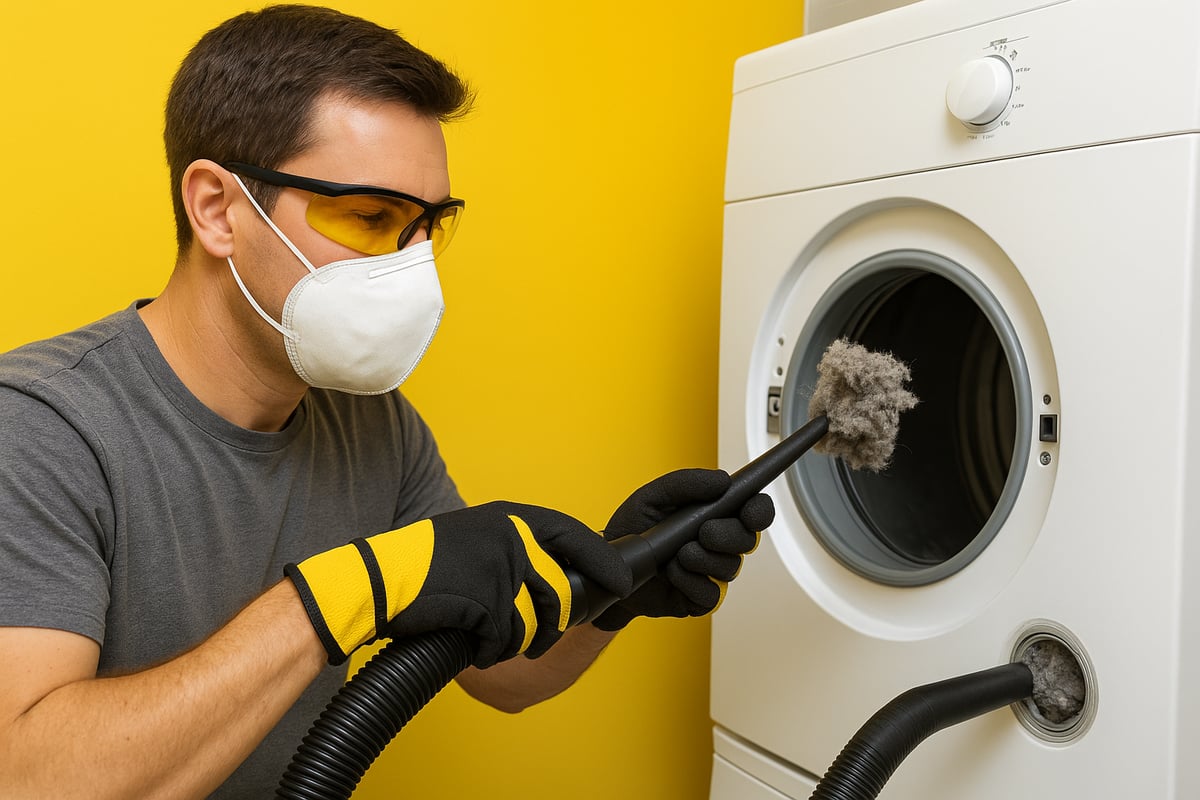
Did you know that over 15,000 dryer fires occur in the United States each year? Lint buildup is a leading cause, making lowes dryer vent cleaning essential for reducing fire risk. Modern high-efficiency dryers can accumulate lint more rapidly, especially as they operate at lower exhaust temperatures.
Insurance claims related to dryer fires have risen, with the Clothes Dryer Safety Guidelines urging homeowners to clean vents regularly. According to the National Fire Protection Association, neglecting your dryer vent can have devastating consequences. Prioritizing regular cleaning is one of the most effective ways to protect your home and family.
Energy Efficiency and Appliance Longevity
Clogged vents force your dryer to work harder, using up to 30% more energy than necessary. With lowes dryer vent cleaning, you can help your appliance run more efficiently and extend its lifespan by several years.
The U.S. Department of Energy recommends annual vent cleaning to maintain peak performance. When airflow is unobstructed, your dryer operates at optimal levels, reducing both your energy bills and the frequency of costly repairs. This simple step ensures your appliance investment lasts longer.
Improved Indoor Air Quality
Lint and debris trapped in dryer vents can harbor dust, allergens, and even mold. For families with allergies or pets, lowes dryer vent cleaning is critical for maintaining healthy indoor air quality.
When vents are clean, fewer allergens circulate through your home, reducing respiratory issues and allergic reactions. Pet owners especially benefit, as fur and dander can quickly clog vents. Regular cleaning supports a cleaner, safer environment for everyone in your household.
Compliance and Warranty Requirements
Many dryer manufacturers now require proof of regular vent cleaning to keep warranties valid. Some local building codes also mandate periodic inspections, making lowes dryer vent cleaning a matter of compliance as well as safety.
Keeping detailed records of your vent maintenance is wise. This documentation may be requested for warranty claims or even by insurance companies in the event of damage. Staying up to date protects your investment and helps you avoid unexpected costs.
Cost Savings
Investing in lowes dryer vent cleaning leads to significant long-term savings. Clean vents allow your dryer to use less energy, lowering monthly utility bills. You’ll also experience fewer breakdowns, reducing the need for expensive repairs.
| Benefit | Estimated Savings |
|---|---|
| Lower Utility Bills | Up to 30% annually |
| Fewer Repairs | $100-$300 per year |
| Extended Appliance Life | 2-3 years longer |
By making vent cleaning a routine part of your home maintenance, you’re not only protecting your home but also keeping more money in your pocket.
Essential Tools & Supplies for Dryer Vent Cleaning at Lowes
Equipping yourself with the right tools is the foundation of safe and effective lowes dryer vent cleaning. Lowes offers a comprehensive range of products designed to make the process straightforward, whether you are tackling routine maintenance or addressing a stubborn clog. By investing in high-quality supplies, you not only improve cleaning results but also help protect your home and family.

Choosing the Right Cleaning Kits
Selecting an effective cleaning kit is the first step for any lowes dryer vent cleaning project. Look for kits that include:
- Flexible rods that can navigate bends and long vent runs
- Rotating brushes designed to reach deep into vents
- Compatibility with both electric and gas dryers
- Attachments that fit various vent diameters
Lowes features several top-rated kits tailored for different home layouts. Kits with extendable rods and universal adapters tend to be the most versatile. For a more detailed walkthrough on using these kits, consult this step-by-step dryer vent cleaning guide.
Vacuum Attachments and Accessories
Specialized vacuum attachments can significantly boost the efficiency of your lowes dryer vent cleaning routine. These tools are engineered to reach deep into the vent, removing fine lint that brushes may leave behind.
Popular options include:
- Lint vacuum hoses with narrow, flexible nozzles
- Universal adapters for most shop vacuums
- Extension wands for hard-to-reach areas
Lowes carries best-selling brands known for durability and ease of use. Pairing a vacuum attachment with your brush kit ensures a more thorough clean, reducing fire risk and improving dryer performance.
Replacement Vents, Ducts, and Covers
During lowes dryer vent cleaning, always inspect the condition of vent ducts and exterior covers. Damaged or outdated materials can compromise safety and efficiency. Lowes provides a selection of replacement parts, including:
| Duct Type | Features | Best Use Case |
|---|---|---|
| Rigid Metal | Fire-resistant, smooth interior | Code-compliant, long-term durability |
| Semi-Rigid | Flexible, easy to install | Short runs with slight bends |
| Flexible | Easy to route, lower cost | Temporary solutions, avoid for main venting |
Upgrade to rigid metal ducts whenever possible, as they offer superior safety and airflow. Exterior vent covers should be checked for cracks or blockages and replaced as needed to prevent pests and moisture intrusion.
Safety Gear and Essentials
Personal safety is a top priority for any lowes dryer vent cleaning task. Protective gear helps shield you from dust, allergens, and sharp edges commonly encountered during cleaning.
Essential items include:
- Heavy-duty work gloves to protect hands
- Dust masks or respirators to prevent inhalation of lint
- Safety goggles to guard eyes from debris
Lowes stocks a wide variety of safety equipment suitable for both occasional DIYers and regular home maintenance. Wearing the right gear ensures your project is both safe and comfortable.
Optional Upgrades and Smart Accessories
To elevate your lowes dryer vent cleaning efforts, consider integrating smart upgrades and accessories. Lowes offers advanced products such as:
- Smart vent monitors that track airflow and alert you to blockages
- Lint alarms for proactive maintenance
- Airflow sensors that help optimize dryer efficiency
These modern tools provide peace of mind and can help you maintain a safer, more efficient laundry setup. Investing in smart accessories turns routine cleaning into a streamlined, tech-savvy process.
Step-by-Step Dryer Vent Cleaning Guide (2026 Edition)
Cleaning your dryer vent is a vital task that protects your home and keeps your appliance running efficiently. Follow this step-by-step lowes dryer vent cleaning guide to ensure safety, maximize performance, and comply with 2026 best practices.
Step 1: Preparation and Safety Precautions
Before beginning lowes dryer vent cleaning, always unplug your dryer from the electrical outlet. If you have a gas dryer, turn off the gas supply to prevent any risk of leaks.
Move the dryer away from the wall to access the vent connection. Clear the area of any obstacles so you have room to work. Gather all necessary tools, such as a dryer vent cleaning kit, vacuum, screwdriver, and a flashlight.
Wear safety gear, including gloves, a mask, and goggles. This will protect you from dust, debris, and sharp edges. Always read your dryer’s manual for any model-specific instructions.
Taking these precautions at the start of your lowes dryer vent cleaning process keeps you safe and prepares you for a thorough job.
Step 2: Disconnecting the Dryer Vent
Begin by gently loosening the clamp or fastener holding the vent hose to the back of the dryer. Use a screwdriver if necessary. Carefully slide the hose off the dryer and then the wall vent, taking care not to damage flexible or rigid ductwork.
Inspect both ends of the vent hose for visible lint, debris, or signs of wear. If you notice any cracks, tears, or excessive buildup, consider replacing the hose with a Lowes-approved metal duct for improved safety.
For rigid ducts, be gentle to avoid bending or denting the metal. For flexible ducts, handle them without twisting to prevent tears. This step in the lowes dryer vent cleaning routine ensures you start with a clear and accessible vent system.
Step 3: Cleaning the Interior and Exterior Vent Ducts
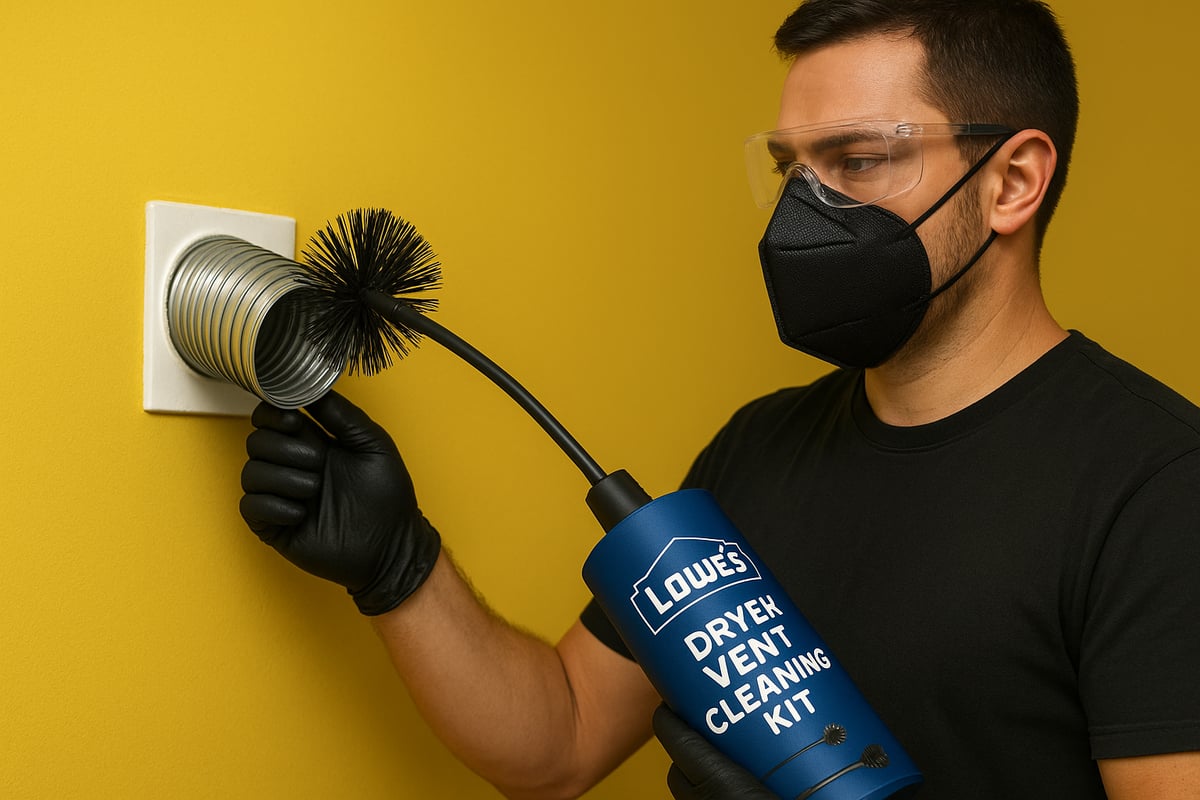
With the vent hose detached, insert the flexible rod and brush from your lowes dryer vent cleaning kit into the duct. Feed the rod through the entire length of the vent, rotating slowly to loosen lint and debris.
Push and pull the brush several times to dislodge stubborn buildup. Work from both the dryer side and the exterior vent, if accessible, for a complete clean. For best results, follow Dryer Venting Best Practices to ensure your cleaning technique enhances safety and airflow.
If you encounter blockages that cannot be cleared, stop and reassess before proceeding. A thorough lowes dryer vent cleaning at this stage is key to fire prevention and efficiency.
Step 4: Vacuuming and Removing Lint
After brushing, use a vacuum with a hose attachment to remove all loosened lint from both ends of the vent. Focus on cleaning the vent opening, the duct interior, and the area around the dryer base.
Check the exterior vent cover for lint, leaves, or nests. Remove any obstructions that could restrict airflow. Clean the vent cover thoroughly and ensure it opens and closes freely.
This step in your lowes dryer vent cleaning process eliminates remaining debris, reducing fire risk and improving dryer efficiency.
Step 5: Inspecting and Replacing Components
Before reassembly, examine all vent components. Look for worn or damaged vent hoses, loose clamps, or broken exterior covers.
Here’s a quick reference table for common parts to inspect and possible upgrades:
| Part | Inspect for | Upgrade Option |
|---|---|---|
| Vent Hose | Cracks, tears, buildup | Rigid metal duct |
| Clamps | Rust, looseness | Stainless steel clamps |
| Exterior Cover | Warping, blockages | Metal vent cover |
Replace any damaged or outdated parts with products from the lowes dryer vent cleaning section. Upgrading to metal ducts and secure clamps enhances long-term safety.
Step 6: Reassembly and Final Testing
Reconnect the vent hose to the dryer and wall, securing it firmly with clamps. Make sure all connections are tight and there are no kinks in the duct.
Move the dryer back into place, plug it in, and restore the gas supply if needed. Run the dryer on the air-fluff or no-heat setting for a few minutes. Step outside to check the exterior vent cover—it should open easily and you should feel strong airflow.
If airflow is weak or the cover sticks, review the lowes dryer vent cleaning steps to ensure nothing was missed. A successful test confirms your vent is clean, safe, and ready for regular use.
Maintenance Schedule & Long-Term Care Tips
Staying on top of your lowes dryer vent cleaning routine is essential for keeping your home safe and your appliance running efficiently. By following a consistent schedule and using the right strategies, you can minimize risks, lower costs, and extend your dryer's lifespan.
How Often to Clean Your Dryer Vent
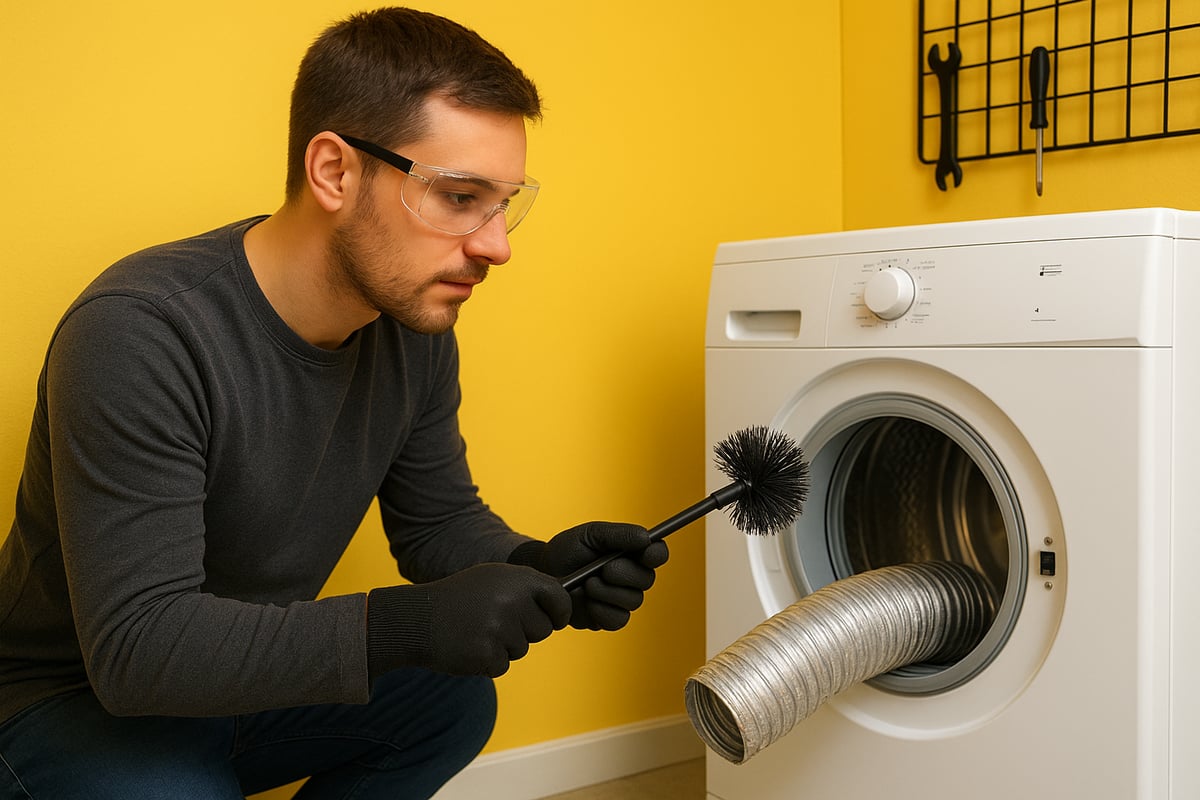
Experts recommend performing lowes dryer vent cleaning at least once a year for most households. However, if you have a large family, do laundry frequently, or own pets, you may need to clean your vent every six months.
Look for these signs that indicate cleaning is overdue:
- Clothes take longer to dry
- The dryer feels hot on the outside
- You notice a burning smell during use
Sticking to a routine helps prevent lint buildup and reduces the risk of fire. Make vent cleaning a regular part of your home maintenance checklist for peace of mind.
Seasonal and Usage-Based Maintenance
Your lowes dryer vent cleaning schedule should adjust with the seasons and your household's laundry habits. During high-usage periods, such as holidays or back-to-school months, lint can accumulate faster than usual.
Consider these usage factors:
- Number of laundry loads per week
- Presence of pet hair or heavy fabrics
- Changes in household size or activity
If your laundry volume increases, schedule additional cleanings to ensure optimal safety and performance. Staying proactive prevents unexpected issues and keeps your dryer working efficiently.
Preventative Upgrades and Accessories
To support your lowes dryer vent cleaning efforts, consider installing preventative accessories. Lint traps, vent alarms, and smart airflow monitors are available at Lowes and can alert you to blockages or reduced airflow.
Popular options include:
- Secondary lint traps for added protection
- Exterior vent covers that prevent bird nests
- Airflow sensors that notify you of clogs
Regularly inspect and clear exterior vent covers of debris. Upgrading to metal ducts also enhances safety and makes routine cleaning easier.
Professional vs. DIY Maintenance
While most homeowners can handle lowes dryer vent cleaning on their own, some situations call for professional help. Complex vent layouts, inaccessible ducts, or persistent clogs require specialized tools and expertise.
Compare your options:
| Maintenance Type | Typical Cost | Best For |
|---|---|---|
| DIY | $30–$60 | Standard vents, accessible areas |
| Professional | $90–$200 | Multi-story homes, severe clogs |
If you are unsure about tackling a tough vent, consider professional dryer vent cleaning services for peace of mind and thorough results. Professionals have the tools and experience to handle challenging jobs safely.
Record Keeping and Warranty Compliance
Documenting your lowes dryer vent cleaning schedule is vital for both warranty and insurance purposes. Many manufacturers require proof of maintenance if you need to make a warranty claim.
Tips for effective record keeping:
- Log each cleaning date and any repairs or upgrades performed
- Store receipts for parts or professional services
- Set digital reminders using your smartphone or smart home system
Staying organized ensures you never miss a cleaning and helps maintain compliance with warranty terms, protecting your investment for years to come.
Expert Tips for Safe and Effective Dryer Vent Cleaning
Keeping your home safe and your dryer running efficiently starts with mastering lowes dryer vent cleaning. Even seasoned DIYers can overlook essential steps. By following these expert tips, you can protect your investment, prevent hazards, and ensure optimal performance for years to come.
Common Mistakes to Avoid
Many homeowners make critical errors during lowes dryer vent cleaning. These mistakes can lead to fire hazards and reduce dryer efficiency.
- Using plastic or foil ducts instead of rigid metal, which increases fire risk
- Failing to disconnect power or gas before starting
- Skipping the inspection and cleaning of exterior vent covers
- Not using the right tools for thorough lint removal
For more on fire risks related to lint buildup and safe practices, see Overheated Clothes Dryers Can Cause Fires.
Proper preparation and tool selection can make a significant difference in safety and results.
Advanced Cleaning Techniques
Take your lowes dryer vent cleaning to the next level with advanced methods. Using rotary brush attachments helps dislodge stubborn lint deep inside ducts. Clean from both the dryer and the exterior vent for thorough results.
- Choose a kit with flexible rods for long vents
- Use a vacuum attachment specifically designed for lint removal
- Rotate brushes while pushing and pulling for maximum debris removal
Consider cleaning the vent more frequently if you have pets or a large household. These advanced steps help keep airflow strong and the appliance running smoothly.
Signs of Deeper Issues
Sometimes, lowes dryer vent cleaning reveals persistent clogs or airflow issues. These can signal bigger problems.
- If you notice repeated blockages, the vent may be damaged or installed incorrectly
- A burning smell, visible damage, or very hot dryer surfaces require immediate attention
- Consult an HVAC or appliance repair expert if you cannot resolve the issue
Addressing these warning signs promptly reduces the risk of fire and costly repairs.
Eco-Friendly Cleaning Solutions
Eco-conscious homeowners can make lowes dryer vent cleaning more sustainable. Choose biodegradable cleaning products when wiping down vent covers and ducts.
- Recycle old metal ducts and vent covers at local centers
- Avoid chemical-heavy products that can leave residues
- Use reusable or washable lint brushes when possible
Taking these steps supports a healthier home and environment.
Staying Updated with 2026 Best Practices
Lowes continues to innovate with new products and technologies for safer, more effective dryer vent maintenance. Stay informed about the latest cleaning kits, smart vent monitors, and safety recalls.
For additional expert advice on broader duct maintenance, review Air duct cleaning best practices.
Regularly check Lowes’ offerings and industry updates to ensure your lowes dryer vent cleaning methods meet the highest standards.
Frequently Asked Questions About Dryer Vent Cleaning
Have questions about lowes dryer vent cleaning? You are not alone. Here, we address the most common concerns homeowners have, ensuring you have reliable answers for safe and efficient dryer maintenance.
How do I know my dryer vent needs cleaning?
Some signs that your vent needs attention include longer drying times, a hotter than usual dryer exterior, or a burning smell during cycles. If you see lint accumulating around the vent or notice the exterior vent cover does not open freely, it is time for lowes dryer vent cleaning.
Can I use a regular vacuum instead of a vent cleaning kit?
A standard vacuum may help with surface lint, but specialized cleaning kits and vacuum attachments from Lowes are designed to reach deep into the vent system. For thorough results, always use tools made for lowes dryer vent cleaning.
What’s the difference between interior and exterior vent cleaning?
Interior cleaning focuses on the vent hose and the back of your dryer. Exterior cleaning targets the vent exit outside your home, which can collect debris, lint, and even bird nests. Both are vital parts of lowes dryer vent cleaning for optimal safety and airflow.
Are there health risks associated with dirty dryer vents?
Yes, clogged vents can trap moisture, leading to mold or mildew growth. Accumulated lint may harbor allergens, affecting indoor air quality, especially for those with allergies or pets. For more in-depth information, visit Dryer vent cleaning frequently asked questions.
How much does it cost to clean or replace a dryer vent?
DIY lowes dryer vent cleaning kits are budget-friendly, typically ranging from $20 to $50. Professional services may cost more, especially for complex setups or severe blockages. Replacing parts like ducting or vent covers may add to the total.
Do smart home devices help with vent maintenance?
Yes, Lowes now offers smart lint alarms and airflow monitors. These devices alert you to blockages, helping maintain efficiency and safety with lowes dryer vent cleaning.
Is dryer vent cleaning covered by home insurance or warranties?
Some manufacturer warranties require proof of regular vent cleaning to remain valid. Certain local codes and insurance policies may also mandate this. For safety requirements, see the Client Assistance Memo on Dryer Exhaust Cleaning.
As you’ve seen, keeping your dryer vent clean isn’t just about efficiency—it’s about protecting your home, saving on energy bills, and ensuring the air your family breathes stays fresh and safe. While you can tackle dryer vent cleaning yourself using the right tools and safety tips from Lowes, sometimes the peace of mind that comes with a professional touch makes all the difference. If you want expert help tailored to your property’s needs, you can always Get Free Quote from experienced professionals who care about your indoor air quality and comfort.
Did you know thousands of home fires each year start because of neglected dryers? As we head into 2026, keeping your appliances safe and efficient is more important than ever. Professional dryer cleaning services near me can help you prevent fires, cut energy bills, and extend your dryer's life.
Dryer cleaning services include thorough vent inspection, lint removal, and airflow checks for both homes and businesses. In this guide, you'll discover what matters most when choosing a provider, which companies stand out, and how to find the best fit for your needs.
Stay tuned for essential tips and expert recommendations.
Why Professional Dryer Cleaning Is Essential in 2026
Lint buildup inside dryer vents is a hidden but serious hazard for homes and businesses. According to NFPA statistics on annual dryer fires, thousands of dryer fires occur each year in the United States, causing injuries, property loss, and even fatalities. As dryers become more energy-efficient but more complex in 2026, the need for professional dryer cleaning services near me has never been greater.
The Hidden Fire Hazard in Your Dryer
Lint is highly flammable. When it accumulates in vents, it blocks airflow and creates ideal conditions for fires. In fact, most dryer-related fires start because vents are clogged with lint or debris. The risk increases in multi-unit buildings and busy households, making regular dryer cleaning services near me essential for prevention.
A real-world example: In 2025, a local family in Detroit narrowly avoided disaster. During a routine inspection, professionals found a dense lint blockage behind the dryer. The technician removed it just days before an electrical short, preventing what could have been a devastating fire.
Energy, Health, and Cost Benefits
Clogged vents force dryers to work harder, driving up energy bills and shortening the appliance’s lifespan. Clean vents improve efficiency, allowing clothes to dry faster and reducing utility costs. For those seeking dryer cleaning services near me, the benefits extend to:
- Lower energy use and bills
- Fewer repairs and longer appliance life
- Reduced risk of allergens, dust, and mold in indoor air
Regular cleaning also helps prevent moisture buildup, which can lead to mold growth and poor air quality. This is especially important for families with respiratory concerns or allergies.
Legal and Insurance Considerations
Insurance companies are tightening requirements in 2026. Many now ask for proof of routine dryer vent cleaning to maintain coverage. In some cities, local ordinances mandate scheduled cleaning, especially in rental properties and commercial buildings.
Failing to keep up with dryer cleaning services near me can result in denied claims or even fines. Property managers, landlords, and business owners should make professional dryer cleaning a scheduled task to stay compliant and protected.
Why Choose Professionals Over DIY?
While some homeowners attempt DIY cleaning, professionals bring specialized tools and advanced techniques. They use high-powered vacuums, rotary brushes, and even camera systems to reach deep inside vents. The difference is clear:
| DIY Cleaning | Professional Service |
|---|---|
| Basic lint trap cleaning | Full vent and duct inspection |
| Limited reach | Removes hidden blockages |
| No airflow testing | Verifies safe, efficient operation |
| No insurance proof | Provides documentation for insurance |
Choosing professional dryer cleaning services near me ensures thorough results, peace of mind, and compliance with safety standards. In 2026, it’s the smart choice for every property owner.
What to Look for in a Dryer Cleaning Service
Choosing the right dryer cleaning services near me is critical for safety, energy savings, and peace of mind. With so many providers, it can be difficult to know which one truly delivers value. To ensure you make an informed decision, focus on several essential criteria that set top companies apart from the rest.
Credentials and Certifications
Start by checking if the company holds industry-recognized certifications. Look for credentials from organizations such as NADCA (National Air Duct Cleaners Association) or CSIA (Chimney Safety Institute of America). These indicate that technicians have undergone rigorous training and adhere to best practices.
Certified professionals are more likely to provide thorough cleaning, reducing fire risks and maintaining dryer efficiency. With certified dryer cleaning services near me, you can feel confident about the safety and quality of the work.
Insurance, Bonding, and Guarantees
Always verify that the provider carries proper insurance and bonding. This protects your home or business in case of accidental damage during service. Many reputable companies also offer satisfaction guarantees, ensuring they stand behind their work.
A service guarantee is especially important for dryer cleaning services near me, as it shows a commitment to customer care and long-lasting results.
Pricing and Service Transparency
Transparent pricing is a hallmark of trustworthy providers. The best companies offer flat rates or clear itemized quotes, so you know exactly what you are paying for. Some may charge by the hour, but it should be clear what is included.
For a detailed breakdown of what to expect, review resources like Professional Dryer Vent Cleaning, which outlines common services, pricing models, and what a comprehensive cleaning entails.
Equipment and Technology
Modern dryer cleaning services near me use advanced tools such as high-powered vacuums, rotary brushes, and camera inspection systems. These tools ensure a deep clean that reaches every part of the vent system.
Ask about the equipment used and whether technicians perform a post-cleaning inspection to verify airflow and safety.
Reputation and Customer Reviews
Investigate a company’s reputation by reading customer reviews on platforms like Google, Yelp, or the Better Business Bureau. Consistently high ratings and positive testimonials indicate reliable service and customer satisfaction.
Also, check for any complaints or issues with previous jobs. Reliable dryer cleaning services near me will have a proven track record and a commitment to resolving concerns promptly.
Service Range and Eco-Friendly Practices
Consider the types of properties a company serves. Some specialize in residential cleaning, while others offer services for commercial, multi-unit, or even industrial buildings. If you need specialized cleaning, ensure the provider has relevant experience.
Many top-rated providers also use eco-friendly products and safe cleaning methods, minimizing environmental impact and protecting indoor air quality.
Comparison Table: Top-Rated vs. Budget Providers
| Feature | Top-Rated Providers | Budget Providers |
|---|---|---|
| Certification | NADCA/CSIA certified | Rarely certified |
| Insurance/Bonding | Always provided | Sometimes missing |
| Transparent Pricing | Flat rates, itemized quotes | Vague or variable |
| Advanced Equipment | High-powered vacuums, cameras | Basic tools |
| Customer Reviews | Excellent, responsive | Mixed or limited |
| Service Range | Residential, commercial, multi-unit | Mostly residential |
| Eco-Friendly Practices | Often prioritized | Not always considered |
By keeping these factors in mind, you will be well-equipped to evaluate dryer cleaning services near me and select a provider that meets your needs for safety, efficiency, and value.
7 Essential Dryer Cleaning Services Near Me for 2026
Finding reliable dryer cleaning services near me is more important than ever in 2026. With increased awareness of fire risks and energy efficiency, homeowners and businesses are searching for trusted experts who can deliver safe, thorough results. The following list features seven standout companies, each offering unique advantages for those seeking the best dryer cleaning services near me this year.
1. Dryer Vent Wizard
Dryer Vent Wizard is a national leader in dryer cleaning services near me, trusted for its comprehensive approach and commitment to safety. Their pricing typically ranges from $129 to $249 per cleaning, depending on vent length and system complexity.

Technicians conduct thorough inspections, including camera checks, before performing a detailed cleaning. This process ensures that every part of your dryer vent system is free from dangerous lint buildup and blockages.
Benefits include consistent service, extensive technician training, and a focus on fire prevention. Dryer Vent Wizard is ideal for homeowners, property managers, and HOAs seeking peace of mind and reliable scheduling.
Pros:
- Nationally recognized brand
- Clear, upfront pricing
- Educational resources for customers
Cons:
- Prices can be higher in certain regions
- Service quality may vary by franchise
What makes them unique is their dedication to not just cleaning but also educating clients about fire risks and energy savings. For anyone searching for dryer cleaning services near me with a strong reputation, Dryer Vent Wizard stands out.
2. 313 Air Duct & Insulation by Jouny
313 Air Duct & Insulation by Jouny is a top choice for dryer cleaning services near me in Metro Detroit. They offer free online estimates and custom quotes based on your property’s size and needs, making pricing transparent and tailored.
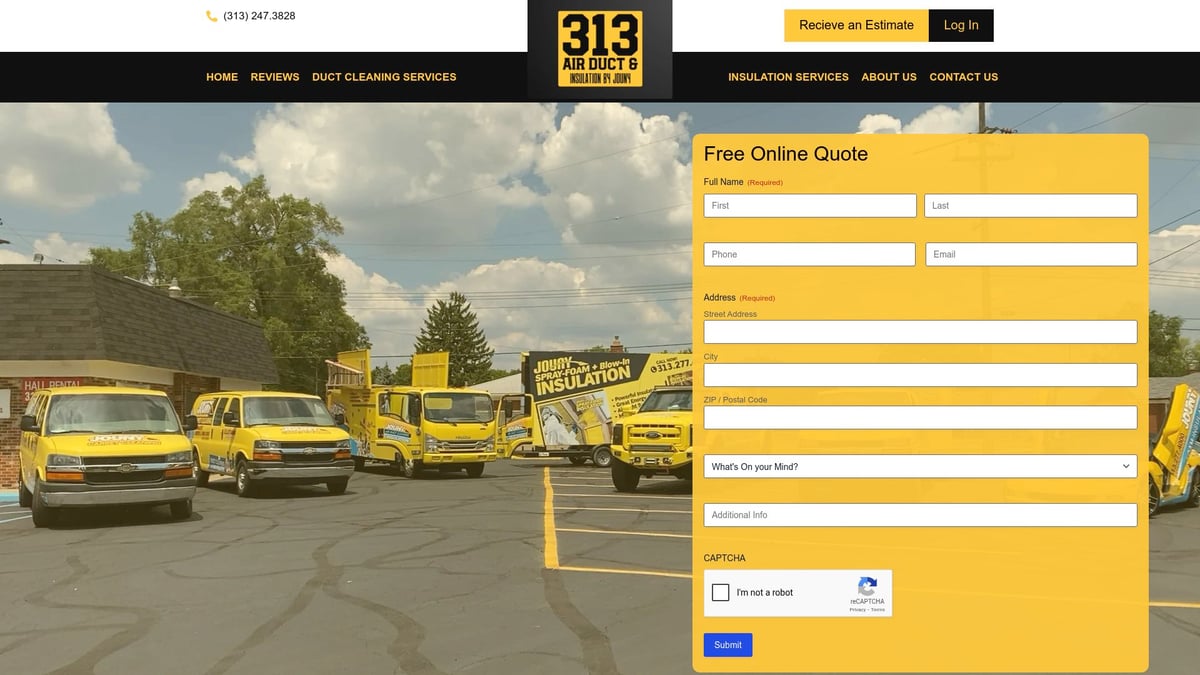
The company provides not only dryer vent cleaning but also air duct cleaning and insulation services, using advanced sealing technology for improved indoor air quality. With over 20 years of experience and a customer-centric approach, 313 Air Duct is trusted by homeowners, businesses, and institutions across Southeast Michigan.
Pros:
- Transparent service and free estimates
- Broad service range, including commercial projects
- Local expertise with a strong reputation
Cons:
- Service area limited to Southeast Michigan
A unique feature is their dual specialization in air duct and dryer vent cleaning, which maximizes energy efficiency and indoor health. For those comparing local providers, check out Detroit’s Top Duct Cleaning Professionals for more insights on reputable dryer cleaning services near me.
3. Sears Air Duct Cleaning
Sears Air Duct Cleaning is a household name for dryer cleaning services near me, offering packages that start at $99 for dryer vent cleaning. Their NADCA-certified technicians perform multi-point inspections and thorough duct and vent cleaning.
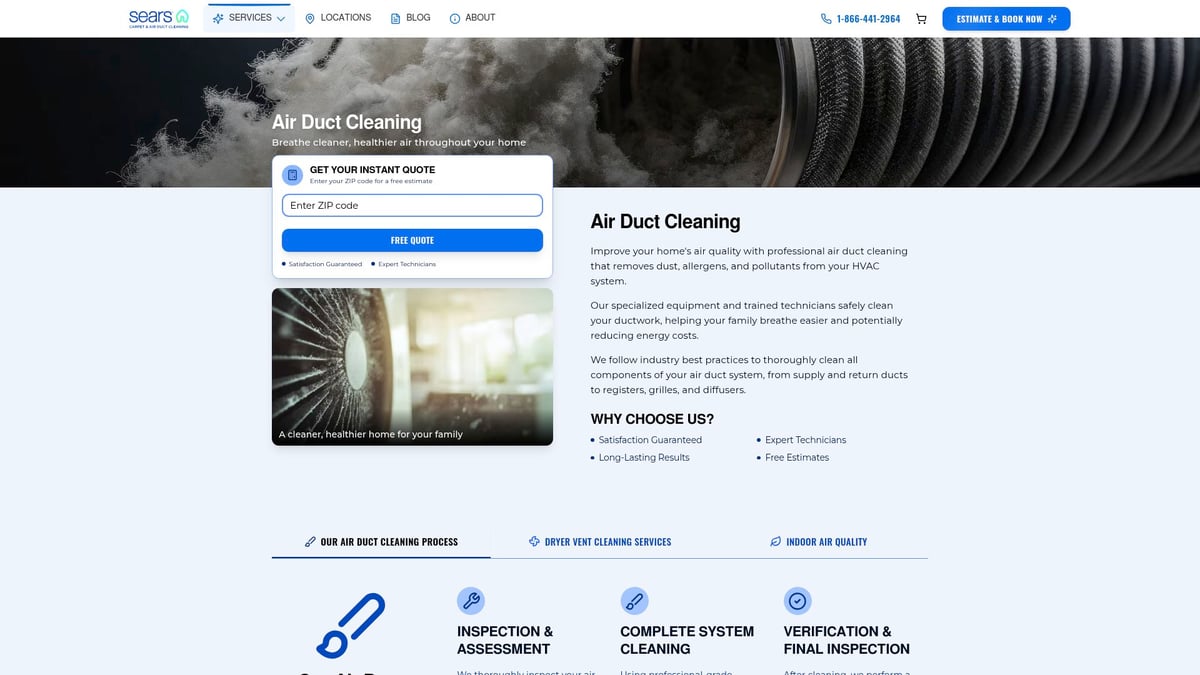
The company’s bundled service discounts appeal to homeowners looking for one-stop cleaning solutions. Sears is known for flexible scheduling, a satisfaction guarantee, and the reliability of a national brand.
Pros:
- Established reputation and trust
- Flexible and convenient scheduling
- Multi-service package deals
Cons:
- Service quality can vary by location
What sets Sears apart is the ability to combine dryer cleaning with whole-house services, providing convenience for busy families. For those seeking dryer cleaning services near me with flexible options, Sears is a smart choice.
4. Stanley Steemer
Stanley Steemer offers comprehensive dryer cleaning services near me, with pricing typically starting at $130 per vent. Discounts are available when you combine dryer vent cleaning with other services.

Their trained technicians use powerful truck-mounted equipment for deep cleaning. Stanley Steemer’s nationwide coverage and same-day appointments make them a go-to for both residential and commercial clients.
Pros:
- Well-known brand with a broad reach
- Online scheduling for convenience
- Multi-service packages including carpet and air duct cleaning
Cons:
- Higher costs in remote locations
- Possible wait times during busy seasons
Stanley Steemer’s unique advantage lies in its ability to bundle services, making it easy to handle all your home cleaning needs with one appointment. If you’re searching for dryer cleaning services near me and value convenience, consider Stanley Steemer.
5. Duct & Vent Cleaning of America, Inc.
For commercial and industrial dryer cleaning services near me, Duct & Vent Cleaning of America, Inc. is a top contender. Pricing is provided via custom quotes based on building size and vent system complexity, ensuring tailored solutions for every client.
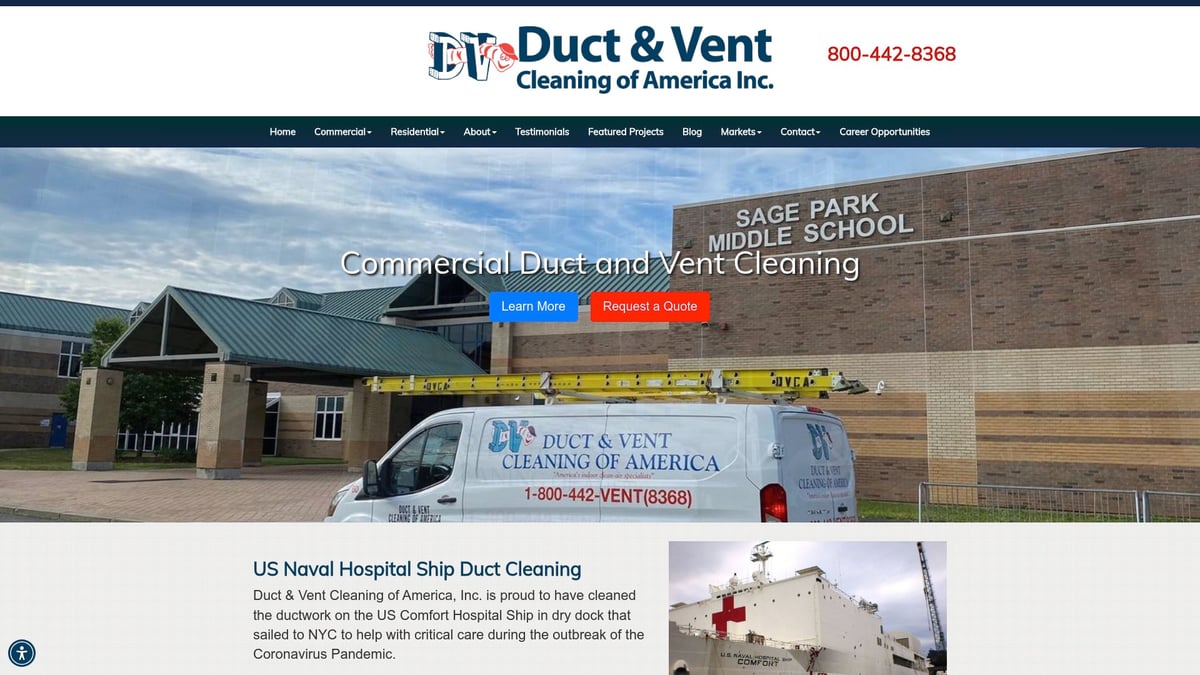
They specialize in commercial-grade dryer vent and air duct cleaning, using HEPA-filtered equipment and OSHA-compliant practices. Their expertise is ideal for apartment complexes, laundromats, and large facilities.
Pros:
- Highly experienced with large-scale projects
- Tailored solutions for complex systems
- Focus on compliance and safety
Cons:
- Less focus on single-family homes
Their unique value is in handling large and challenging dryer vent systems, making them a preferred choice for commercial properties seeking reliable dryer cleaning services near me.
6. Dryer Vent Squad
Dryer Vent Squad offers affordable and responsive dryer cleaning services near me, with services starting at $99 and free estimates available. Their franchise model ensures local ownership, so you receive prompt, personalized service.
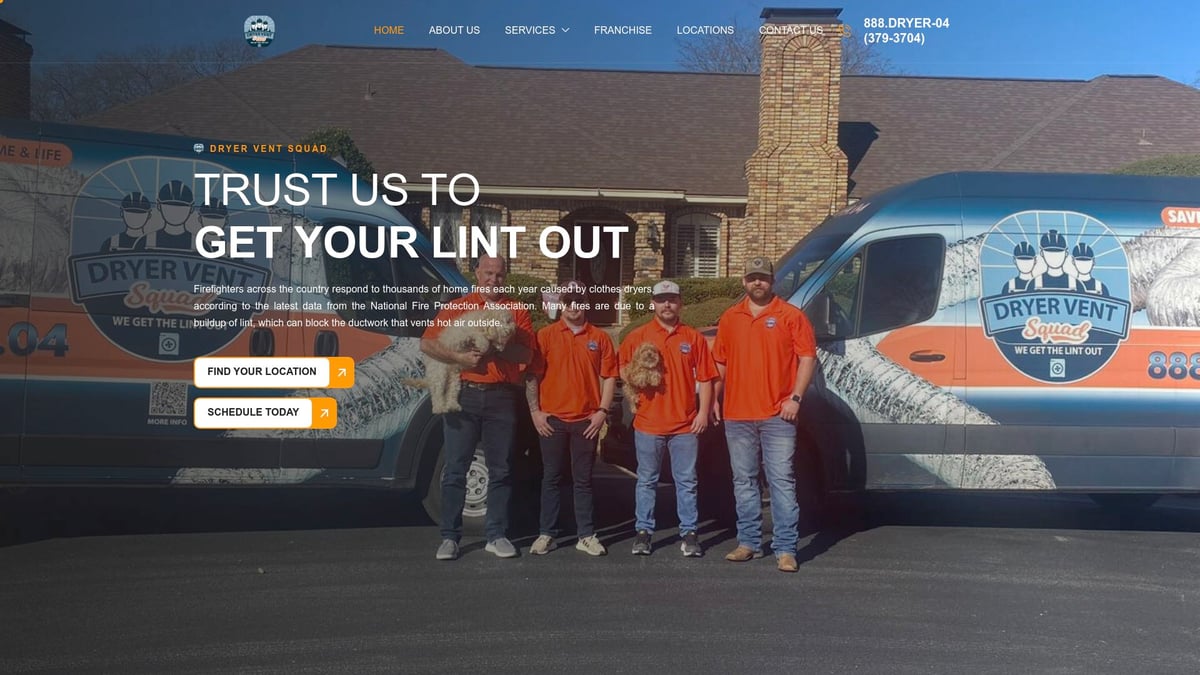
They provide residential and commercial vent cleaning, repairs, and installation. Fast response times and a satisfaction guarantee make them popular among homeowners, small businesses, and multi-unit properties.
Pros:
- Local franchise model for personalized attention
- Prompt service and repair options
- Emphasis on fire safety education
Cons:
- Service limited to franchise locations
Dryer Vent Squad’s unique focus on customer education helps clients understand the importance of regular dryer cleaning services near me, contributing to safer homes and businesses.
7. VentSmart Dryer Vent Cleaning
VentSmart Dryer Vent Cleaning stands out for affordable pricing, with services ranging from $70 to $150 per cleaning, based on vent length and accessibility. They offer detailed lint removal, vent inspection, and airflow testing.

Their approach is tailored for budget-conscious homeowners and landlords who need dryer cleaning services near me without sacrificing safety. VentSmart provides before and after photos, educational resources, and post-cleaning reports.
Pros:
- Transparent, upfront pricing
- Detailed airflow analysis and reports
- Strong focus on safety and efficiency
Cons:
- Service area limited to Florida
VentSmart’s unique post-cleaning analysis ensures clients know exactly how their dryer performance has improved, making them a valuable choice for those prioritizing efficiency.
Comparison Table: Key Features of Top Dryer Cleaning Services Near Me
| Provider | Pricing | Service Area | Unique Feature | Target Audience |
|---|---|---|---|---|
| Dryer Vent Wizard | $129–$249 | Nationwide | Fire prevention focus | Homeowners, HOAs |
| 313 Air Duct & Insulation by Jouny | Custom | SE Michigan | Air duct & vent expertise | Local homes, businesses |
| Sears Air Duct Cleaning | From $99 | Nationwide | Bundled house cleaning | Homeowners |
| Stanley Steemer | From $130 | Nationwide | Multi-service packages | Homes, businesses |
| Duct & Vent Cleaning of America, Inc. | Custom | Nationwide | Commercial/industrial specialization | Commercial properties |
| Dryer Vent Squad | From $99 | Franchise locations | Customer education | Homes, small businesses |
| VentSmart Dryer Vent Cleaning | $70–$150 | Florida | Detailed airflow analysis | Budget-conscious clients |
When considering dryer cleaning services near me, use this table to compare providers based on pricing, service area, and unique offerings. Whether you need residential, commercial, or specialized cleaning, you’ll find a match for your needs.
How to Choose the Right Dryer Cleaning Service for Your Needs
Choosing the best dryer cleaning services near me requires a thoughtful approach. Not all properties have the same needs or face the same risks. Start by considering your space: Is it a single-family home, a multi-unit building, or a business? The vent length, dryer usage frequency, and building layout will influence the level of service required.
For example, commercial properties or large homes may need specialized equipment or more frequent cleanings. If you have pets or allergies, prioritizing services that offer HEPA-filtered equipment or air quality improvements can be a smart move. Understanding your unique situation helps narrow down the options for dryer cleaning services near me.
Compare Pricing and Service Inclusions
When researching dryer cleaning services near me, compare pricing structures carefully. Some companies offer flat rates, while others charge by the hour or vent length. Be sure to ask what each quote includes: Is a full inspection part of the price? Are repairs, airflow testing, or before-and-after photos standard?
A helpful resource for understanding pricing and value is the Blog: Duct Cleaning Cost Insights, which explains common cost factors and what to expect from reputable providers.
Here’s a quick comparison table to guide your evaluation:
| Feature | Top-Rated Providers | Budget Providers |
|---|---|---|
| Certified Technicians | Yes | Sometimes |
| Flat Rate Pricing | Often | Varies |
| Equipment Quality | Advanced | Basic |
| Satisfaction Guarantee | Yes | Rare |
| Add-On Services | Available | Limited |
Evaluate Reputation and Guarantees
Customer reviews and company reputation are crucial when selecting dryer cleaning services near me. Read recent testimonials on platforms like Google, Yelp, or the Better Business Bureau. Look for consistent positive feedback regarding professionalism, punctuality, and results.
Check for satisfaction guarantees, insurance, and bonding. A trustworthy company will be transparent about coverage and stand behind their work. Fast response times and flexible scheduling can make a big difference, especially if you need emergency service.
Step-by-Step Guide to Hiring
Finding the right dryer cleaning services near me is easier with a clear process. Here’s a quick guide:
- Identify your property’s needs and desired outcomes.
- Gather quotes from at least three providers.
- Review what is included in each package.
- Read recent customer reviews and verify credentials.
- Confirm insurance, bonding, and satisfaction guarantees.
- Ask about add-on services like air duct cleaning or insulation.
- Negotiate for package deals or seasonal discounts.
- Schedule at a convenient time and keep records for your files.
For more detailed steps on what to expect during professional cleaning, consult the Air Duct Cleaning How-To Guide, which outlines best practices and inspection tips.
Ultimately, choosing the right provider for dryer cleaning services near me means balancing your budget, safety, and convenience. A thorough evaluation ensures you get reliable results and peace of mind.
Dryer Cleaning Maintenance Tips for 2026
Proper maintenance is essential for keeping your home safe and your appliances running efficiently. Whether you are searching for dryer cleaning services near me for the first time or are looking to improve your routine, following expert tips can help prevent hazards and reduce costs.
How Often Should You Clean Your Dryer Vent?
The frequency of cleaning depends on your property type and usage patterns. For most homes, an annual professional cleaning is recommended. Rental properties or homes with large families may need service every six months. Commercial spaces and laundromats require more frequent attention, sometimes quarterly.
| Property Type | Recommended Cleaning Frequency |
|---|---|
| Single-Family Home | Every 12 months |
| Rental/Multifamily | Every 6-12 months |
| Commercial/Laundromat | Every 3-6 months |
Key signs you may need dryer cleaning services near me immediately include unusually long drying times, excessive heat, a musty odor, or visible lint around the vent opening.
DIY Maintenance and Recognizing When to Call a Professional
While some maintenance can be performed at home, like cleaning the lint trap after every cycle and visually inspecting the vent exterior, more complex issues require expert help. If you notice persistent blockages, mold, or evidence of pests, it is time to call dryer cleaning services near me.
Here are some DIY steps to follow:
- Empty the lint trap after each load.
- Check the vent cover outside for obstructions.
- Use only flexible, metal venting materials.
- Avoid overloading the dryer.
For more detailed guidance and safety best practices, consult these dryer fire safety tips to keep your home protected.
Embracing Technology and Staying Organized
New technologies, such as smart dryer sensors and vent monitoring apps, are becoming popular in 2026. These tools can alert you to blockages, airflow issues, or maintenance needs in real time. Keeping detailed records of each cleaning, whether DIY or professional, is important for warranty claims and insurance compliance.
Regular upkeep not only reduces the risk of fire but also improves efficiency and lowers energy bills. According to research on the impact of lint buildup on dryer efficiency, even a small amount of lint can significantly increase energy consumption.
Here is a quick checklist for ongoing maintenance:
- Clean lint trap after every use
- Inspect vent exterior monthly
- Schedule dryer cleaning services near me annually
- Record all maintenance dates
- Use smart monitoring tools if available
By following these tips and staying proactive, you will maximize safety, efficiency, and the lifespan of your dryer.
After exploring the top dryer cleaning services for 2026, it’s clear that protecting your home or business goes beyond just routine chores—regular professional maintenance can make a real difference in safety, energy savings, and peace of mind. If you want an expert team that truly understands air quality and insulation, I recommend reaching out to 313 Air Duct & Insulation by Jouny. Their local experience and customer-focused approach set them apart. Ready to take the next step toward a safer, more efficient property? Get Free Quote
Rising concerns about indoor air quality and moisture control in 2026 have made the air dryer cleaner a household and industrial necessity. As new contaminants emerge and technology advances, understanding how to select and maintain the right air dryer cleaner has never been more crucial.
This expert guide unpacks everything you need to know. We will explore what air dryer cleaners are, the latest innovations and market trends for 2026, a step-by-step cleaning and maintenance process, key considerations for buyers, and a glimpse into the future of air purification.
Ready to breathe easier and make smarter choices? Let’s begin your path to cleaner, healthier air.
Understanding Air Dryer Cleaners: What They Are and How They Work
Air dryer cleaners have become integral for maintaining optimal air quality in diverse settings. Their advanced capabilities ensure both moisture and contaminants are efficiently removed from the air, supporting healthier environments and protecting sensitive equipment.
Definition and Core Functions
An air dryer cleaner is a specialized device designed to extract moisture and airborne contaminants from air streams. The core function is to deliver clean, dry air by filtering out particulates, dust, and humidity. Unlike traditional air dryers, which primarily focus on reducing moisture, an air dryer cleaner also targets pollutants and allergens, offering a more comprehensive solution for air purification. This dual-action capability distinguishes it as an essential tool for modern air quality management.
Types of Air Dryer Cleaners in 2026
In 2026, several advanced air dryer cleaner types dominate the market, each leveraging unique technology. The main categories include desiccant systems, refrigerated units, membrane-based cleaners, and hybrid models that combine multiple methods. Desiccant air dryer cleaners, for example, utilize moisture-absorbing materials and have seen significant growth due to efficiency and innovation, as highlighted by Desiccant Dehumidifier Market Growth. Leading brands in 2026 offer smart features, compact designs, and sustainable materials, reflecting consumer demand.
How Air Dryer Cleaners Operate
The air dryer cleaner process involves multiple stages. First, air is drawn into the unit where pre-filters capture larger particles. Next, specialized filters target finer contaminants, while sensors continuously monitor humidity and pollutant levels. The system’s control panel manages airflow and drying cycles, optimizing performance for conditions in real time. These components work together to ensure that air exiting the cleaner is free from both excess moisture and harmful particulates, maintaining consistent air quality.
Common Applications
Air dryer cleaners are used extensively across residential, commercial, and industrial environments. In homes, they support allergy prevention and protect electronics. Hospitals deploy them to maintain sterile air and safeguard sensitive medical devices. Factories rely on air dryer cleaners to extend machinery lifespan and prevent product defects caused by moisture or contamination. Case studies from 2026 show substantial improvements in operational efficiency and air quality wherever these units are implemented.
Benefits of Using Air Dryer Cleaners
The main benefits of adopting an air dryer cleaner include improved indoor air quality, enhanced equipment longevity, and increased energy efficiency. Studies reveal notable reductions in airborne allergens and pollutants, with users reporting cleaner environments and fewer allergy symptoms. Additionally, air dryer cleaners help reduce maintenance costs by preventing moisture-related damage. Data from competitor brands in 2026 highlights up to 40% fewer airborne particles and a measurable improvement in overall air purity.
Limitations and Challenges
Despite their advantages, air dryer cleaners do present certain challenges. Initial costs can be high, and regular maintenance is necessary to sustain peak performance. Some users encounter issues with filter replacements or sensor calibration. However, many modern units offer predictive maintenance alerts and user-friendly diagnostics to address these hurdles. Investing in quality models and adhering to recommended service schedules can significantly minimize these limitations.
Industry Standards and Certifications
The air dryer cleaner industry in 2026 adheres to rigorous standards, including ISO and ASHRAE certifications. Compliance ensures safety, reliability, and optimal performance. Manufacturers must meet specific criteria for filtration efficiency, energy consumption, and environmental impact. For buyers, verifying these certifications is crucial when selecting a unit, as it guarantees adherence to the latest regulations and industry best practices.
Key Trends and Innovations in Air Dryer Cleaner Technology (2026)
The air dryer cleaner landscape is evolving rapidly in 2026, driven by technological breakthroughs and changing consumer expectations. Let us explore the top trends shaping the future of air dryer cleaner technology, from smart features to sustainability and beyond.
Smart and Connected Air Dryer Cleaners
In 2026, smart technology is transforming the air dryer cleaner. IoT-enabled systems allow real-time monitoring and remote control from smartphones or computers. Building managers can now track humidity, airflow, and filter status from anywhere, making maintenance proactive rather than reactive.
Integration with building management systems is now standard. Alerts for filter changes or system errors are sent directly to facility teams, reducing downtime. For a deeper dive into how IoT is revolutionizing this field, see IoT in Compressed Air Systems.
These smart air dryer cleaner models help users optimize performance, improve energy use, and ensure better air quality with minimal manual intervention.
Energy Efficiency and Sustainability
Energy efficiency is a top priority for every air dryer cleaner manufacturer in 2026. Eco-friendly refrigerants and recyclable materials are now standard across most new models. Updated compressors and variable speed motors significantly reduce power consumption.
Many air dryer cleaner systems now feature adaptive modes, which adjust drying cycles based on real-time humidity data. This not only lowers energy bills but also helps decrease carbon emissions. Consumers and businesses alike value the environmental benefits alongside operational savings.
Sustainability certifications are now a key differentiator in the air dryer cleaner market.
Enhanced Filtration and Allergen Removal
Advanced filtration is a hallmark of the modern air dryer cleaner. HEPA-grade filters and UV-C sterilization are now integrated into many units, ensuring removal of over 99% of airborne allergens and pathogens.
These innovations are especially valuable in healthcare, food processing, and cleanroom applications. Enhanced filters also help extend the lifespan of the air dryer cleaner by reducing internal contamination.
As indoor air quality standards rise, high-performance filtration is now a must-have feature for every air dryer cleaner in residential and industrial spaces.
Automation and Predictive Maintenance
Automation is making the air dryer cleaner more reliable and efficient. Predictive maintenance uses sensors and analytics to forecast when parts need servicing, preventing unexpected breakdowns.
Smart alerts notify users about potential issues, allowing for timely intervention. For example, factories using predictive technology have reported up to 30% less downtime, as air dryer cleaner systems self-diagnose and request maintenance before a problem escalates.
This shift from scheduled to condition-based service reduces costs and increases the operational lifespan of each air dryer cleaner.
Compact and Modular Designs
Space is at a premium in 2026, prompting the rise of compact and modular air dryer cleaner designs. These units are now slimmer, lighter, and easier to install even in tight or unconventional spaces.
Modular systems allow users to scale capacity up or down as needed. For example, a business can start with a single air dryer cleaner module and add more as demand grows. This flexibility supports both small businesses and large industrial facilities.
Design innovation ensures that air dryer cleaner solutions fit seamlessly into any environment.
Regulatory and Safety Developments
New regulations in 2026 are impacting air dryer cleaner design and operation. Updated ISO and ASHRAE standards now require stricter filtration, energy efficiency, and safety features.
Compliance is essential for both legal and performance reasons. Manufacturers are responding by certifying air dryer cleaner models to meet or exceed these evolving benchmarks. Safety features like automatic shutoff and child-lock controls are now commonplace.
Staying compliant ensures that every air dryer cleaner delivers reliable, safe results in any application.
Market Growth and Consumer Demand
The air dryer cleaner market is experiencing unprecedented growth in 2026. Demand is surging across residential, commercial, and industrial sectors as air quality concerns increase.
Consumers now prioritize smart features, energy efficiency, and robust filtration when selecting an air dryer cleaner. According to recent market data, top-selling brands offer all-in-one solutions that integrate seamlessly with other air management systems.
As innovation continues, the air dryer cleaner industry is set for further expansion, offering more choices and better performance for every user.
Step-by-Step Guide: How to Clean and Maintain Your Air Dryer Cleaner
Keeping your air dryer cleaner in top shape is essential for reliable performance and healthy air quality. This step-by-step guide walks you through every phase of the cleaning and maintenance process, ensuring your unit remains efficient and long-lasting.
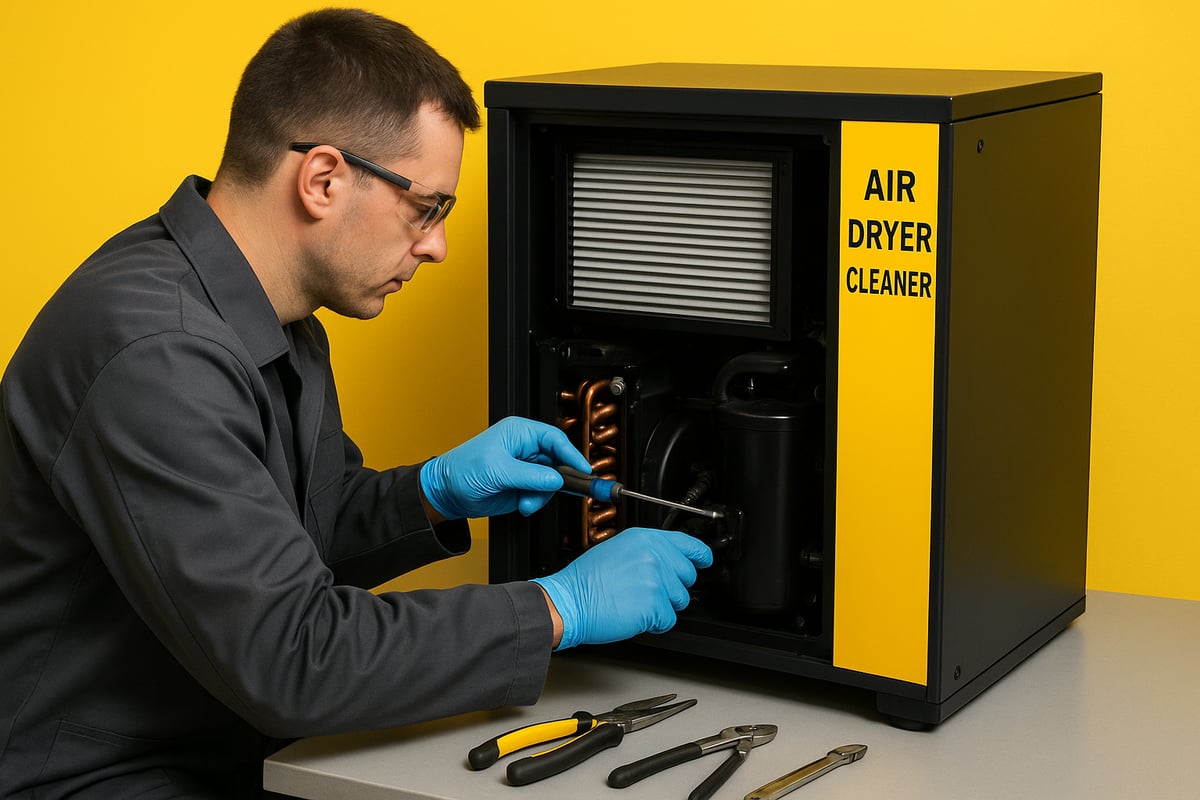
Preparation and Safety Measures
Before starting any maintenance on your air dryer cleaner, prioritize safety. Always switch off and unplug the unit to prevent electrical hazards. Wear protective gloves and safety goggles to shield yourself from dust, debris, and potential chemical exposure.
Gather essential tools, such as screwdrivers, soft brushes, microfiber cloths, and replacement filters. Having a small vacuum on hand can help remove stubborn particles from tight spaces.
Create a checklist of tasks and lay out your workspace to keep parts organized. This careful preparation not only protects you but also streamlines the air dryer cleaner maintenance process.
Step 1: Inspecting the Unit
Begin by visually examining your air dryer cleaner. Look for dust accumulation, debris buildup, and signs of moisture around vents, panels, and internal compartments.
Pay special attention to areas prone to clogging, such as air intake grills and filter housings. Check for discoloration or residue, which may indicate leaks or filtration issues.
If you notice unusual odors or excessive noise during operation, make a note to address these during deeper maintenance steps. Early inspection helps catch small problems before they escalate, protecting your air dryer cleaner’s longevity.
Step 2: Cleaning Filters and Components
Remove the filters from your air dryer cleaner according to the manufacturer’s instructions. Rinse washable filters with lukewarm water and mild detergent, then allow them to dry completely before reinserting. Replace disposable filters as needed.
Use a soft brush or compressed air to clean coils, fans, and internal sensors. Be gentle to avoid damaging sensitive electronics. Wipe down accessible surfaces with a damp microfiber cloth to eliminate dust and grime.
Regular filter maintenance is crucial. A clean filter supports proper airflow, maximizes efficiency, and ensures your air dryer cleaner continues to deliver clean, dry air.
Step 3: Checking for Leaks and Blockages
Inspect the hoses, valves, and drainage system of your air dryer cleaner for any signs of leaks or blockages. Feel along tubing and joints for dampness, which might signal a leak.
Check that all hoses are securely connected and free from cracks or kinks. Use a flashlight to look for obstructions in drainage lines or vents.
If you spot any blockages, carefully clear them using a flexible cleaning brush or by flushing the line if appropriate. Addressing leaks and blockages quickly helps maintain your air dryer cleaner’s performance and prevents water damage.
Step 4: Reassembling and Testing
Once all components are clean and dry, carefully reassemble your air dryer cleaner. Ensure each filter, panel, and screw is securely in place to prevent air leaks or rattling.
Plug in the unit, then run a diagnostic test or standard cycle to confirm it operates correctly. Listen for unusual sounds and check for proper airflow.
Monitor the control panel for error codes or alerts. If any issues persist, refer to the user manual for troubleshooting advice. This testing step is vital to verify your air dryer cleaner is functioning as intended before returning it to regular use.
Step 5: Scheduling Regular Maintenance
To keep your air dryer cleaner operating at peak efficiency, establish a routine maintenance schedule. Set reminders to inspect and clean filters monthly, and perform a comprehensive inspection at least quarterly.
For specialized advice on long-term upkeep, consult resources like these Air Dryer Maintenance Tips, which cover desiccant care and optimal operating settings.
Consider professional servicing annually to tackle advanced maintenance or repairs. Consistent attention to your air dryer cleaner reduces breakdowns and extends its service life.
Troubleshooting Common Issues
Even with diligent care, your air dryer cleaner may experience occasional issues. Common symptoms include loud noises, persistent odors, or reduced drying efficiency.
If the unit rattles or hums, check for loose screws or unbalanced components. Persistent odors often suggest a dirty filter or mold growth, which requires immediate cleaning.
Should you encounter reduced performance, verify that filters and vents are clear and that settings match your environment’s needs. If problems persist beyond basic troubleshooting, contact a certified technician to prevent further damage and ensure your air dryer cleaner remains reliable.
Choosing the Right Air Dryer Cleaner for Your Needs
Selecting the ideal air dryer cleaner in 2026 requires a thoughtful approach. With diverse environments and advanced models available, understanding your unique needs will ensure you choose a solution that delivers both performance and value.
Assessing Your Environment and Requirements
Begin by evaluating the specific environment where you will install the air dryer cleaner. Residential spaces often have different airflow, moisture, and contaminant concerns compared to commercial or industrial settings. Consider the size of the area, typical humidity levels, and the presence of allergens or pollutants.
For homeowners, understanding the unique needs of your living space is crucial. You may also benefit from residential duct cleaning services to complement your air dryer cleaner and maintain peak air quality.
Comparing Key Features and Specifications
When comparing air dryer cleaner models, focus on the features that matter most for your application. Moisture removal rate, filtration efficiency, and energy consumption are key factors. Look for models with advanced filters, smart controls, and compatibility with your existing HVAC systems.
| Feature | Model A | Model B | Model C |
|---|---|---|---|
| Moisture Removal (L/h) | 12 | 15 | 10 |
| Filtration Level | HEPA | UV-C | Carbon |
| Energy Consumption (kW) | 0.8 | 1.0 | 0.7 |
Reviewing such data allows you to match the air dryer cleaner to your needs efficiently.
Evaluating Costs and ROI
Investing in an air dryer cleaner often involves balancing the initial purchase price with long-term savings. More efficient models may have higher upfront costs but deliver energy savings and reduced maintenance expenses over time.
Calculate the total cost of ownership by considering average lifespan, expected maintenance, and utility costs. A well-chosen air dryer cleaner can pay for itself through lower running costs and improved equipment longevity.
Brand Reputation and Reviews
Reputation matters when selecting an air dryer cleaner. Research brands that are known for quality, innovation, and reliable customer support. Read user reviews from trusted platforms, focusing on real-world experiences with performance and durability.
Top-rated brands in 2026 frequently offer transparent warranties and responsive service, giving you peace of mind. Prioritize brands with positive feedback and a proven track record in your application area.
Warranty and Support Considerations
A comprehensive warranty is essential for protecting your investment in an air dryer cleaner. Examine the terms closely, noting the coverage period and what parts or issues are included.
Also, evaluate the manufacturer's customer support. Quick response times and accessible service centers can make a significant difference if problems arise. Opt for brands that back their products with robust support and easy-to-understand warranty terms.
Where to Buy and What to Avoid
Purchase your air dryer cleaner from reputable suppliers, whether online or in-store. Authorized dealers often provide better support and honor warranties. Be cautious of deals that seem too good to be true, as these may involve refurbished or counterfeit products.
Red flags include lack of product information, unclear warranty terms, and poor customer reviews. Always verify the authenticity of the seller and ask for documentation before making a purchase.
Integration with Existing Systems
Ensure that your chosen air dryer cleaner integrates seamlessly with your current HVAC or air handling systems. Compatibility is crucial for both performance and efficiency. Consult with an HVAC professional if you are unsure about installation or system requirements.
Proper integration not only optimizes air quality but also extends the life of your equipment. Take time to review technical specifications and seek expert advice to avoid costly errors.
The Future of Air Dryer Cleaners: What to Expect Beyond 2026
The landscape of air dryer cleaner technology is poised for significant transformation beyond 2026. As industries and homeowners alike prioritize cleaner, more efficient air, the next wave of advancements will reshape how these systems operate and deliver value.
Emerging Technologies on the Horizon
The next generation of air dryer cleaner units will be shaped by artificial intelligence and smart sensors. AI-driven self-cleaning features will minimize manual maintenance and optimize performance in real time. Nanotechnology may allow for ultra-fine filtration, capturing even the smallest airborne particles.
Researchers are already exploring graphene-based materials, as highlighted in the Self-Cleaning Air Filters Study, which could soon be integrated into air dryer cleaner designs for enhanced efficiency and longevity. These advancements promise to make future air dryer cleaner models more autonomous, precise, and adaptable to changing air quality demands.
Anticipated Regulatory Changes
As air quality standards evolve, the air dryer cleaner industry must adapt to stricter regulations. Expected updates to ISO and ASHRAE guidelines will focus on higher filtration efficiency, reduced energy consumption, and improved safety protocols.
Manufacturers will need to redesign air dryer cleaner products to comply with these new requirements, ensuring both environmental responsibility and user safety. Staying ahead of regulatory shifts will be crucial for brands seeking to maintain market leadership and avoid costly redesigns.
Evolving Consumer Preferences
Consumers are increasingly seeking air dryer cleaner solutions that are sustainable, low-maintenance, and easy to integrate with smart home systems. Market research indicates a growing preference for modular units that can be upgraded or customized as needs change.
These evolving expectations will drive manufacturers to prioritize user-friendly interfaces and seamless connectivity. The air dryer cleaner of the future will likely combine robust performance with intuitive control, meeting the demand for both convenience and reliability.
Environmental Impact and Green Initiatives
Environmental stewardship is becoming a core focus in air dryer cleaner development. Companies are investing in recyclable materials and energy-efficient designs, contributing to a circular economy model.
Eco-focused manufacturers are setting new standards by reducing waste, utilizing sustainable packaging, and implementing closed-loop recycling programs. These initiatives not only benefit the planet but also appeal to environmentally conscious consumers who value responsible production in their air dryer cleaner choices.
Predictions for Market Growth and Innovation
Industry analysts forecast strong growth in the air dryer cleaner market, driven by rising health awareness and regulatory pressures. The sector is expected to see an influx of new entrants offering disruptive technologies and business models.
Innovative features like predictive maintenance, smart diagnostics, and scalable systems will become standard. As the market evolves, opportunities will emerge for those who prioritize adaptability and continuous improvement in air dryer cleaner solutions.
Now that you understand the impact of choosing and maintaining the right air dryer cleaner, you can take real steps toward a healthier and more energy efficient space. If you’re ready to improve your indoor air quality, reduce allergens, and make your environment more comfortable, partnering with seasoned professionals makes all the difference. At 313 Air Duct & Insulation by Jouny, we’re dedicated to helping you select the best solutions tailored to your needs. If you’d like personalized advice or want to see what it would take for your home or business, Get Free Quote.
Are you certain the air you breathe at home or work is truly clean, or could your ductwork be hiding invisible dangers? Many people overlook the impact that a quality duct disinfectant can have on their indoor air, yet the risks from unseen contaminants are real.
This guide will walk you through the most advanced and reliable duct disinfectant options for 2026. We aim to provide a clear, up-to-date resource on the benefits, science, application, and safety of these solutions.
Discover how to make informed choices and enjoy fresher, safer air every day.
Understanding Duct Disinfectants: What They Are and How They Work
Are you wondering what makes a duct disinfectant essential for your home or business in 2026? As indoor air quality becomes a top priority, understanding these solutions is crucial for maintaining a healthy environment. Let’s break down what duct disinfectants are, how they function in HVAC systems, and which threats they target.
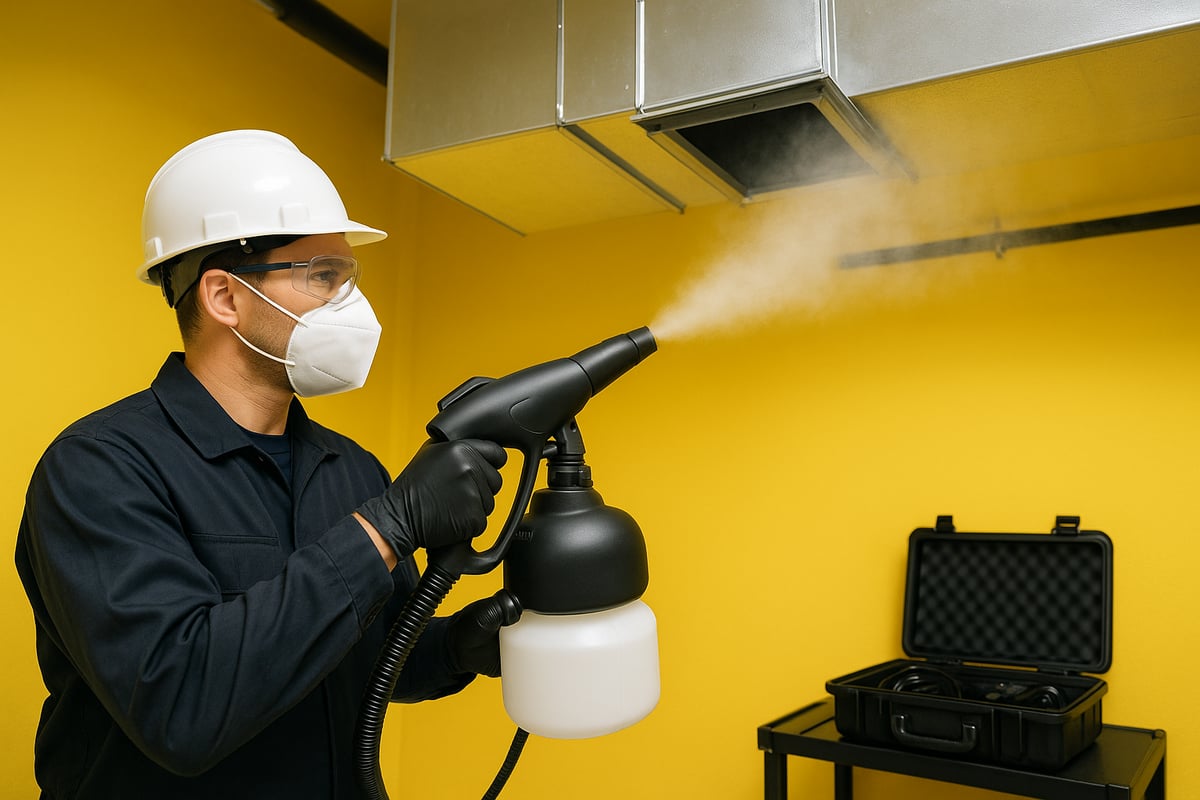
Definition and Purpose of Duct Disinfectants
A duct disinfectant is a specialized solution designed to eliminate harmful microorganisms within your HVAC ductwork. Unlike standard cleaning, which removes dust and debris, disinfecting directly targets bacteria, viruses, mold, and allergens that can linger after cleaning.
It’s important to distinguish between cleaning, sanitizing, and disinfecting ducts. Cleaning physically removes particles from surfaces. Sanitizing reduces the number of germs, but a duct disinfectant goes further by killing or inactivating pathogens. This extra step is often guided by standards set by the EPA and CDC, ensuring the products used are proven to be effective.
There are several types of duct disinfectant available in 2026:
| Type | Example Products | Active Ingredients | Typical Use |
|---|---|---|---|
| Botanical-based | Decon 30 | Thymol from thyme | Homes, schools, sensitive spaces |
| Chemical | Sporocidin | Phenol, sodium phenate | Hospitals, commercial environments |
| Advanced blends | New 2026 lines | Proprietary mixes | Industrial, high-risk facilities |
Botanical options like Decon 30 are gaining popularity for their safety and minimal residue. Chemical solutions, such as Sporocidin, remain staples in medical and commercial settings. Advanced formulations for 2026 offer longer-lasting protection and broader pathogen coverage.
The EPA notes that indoor air pollutants can be 2 to 5 times higher than those outdoors. This makes the use of a duct disinfectant critical for reducing exposure to contaminants that cleaning alone may miss. For official recommendations on when and how to clean air ducts, the EPA guidelines on air duct cleaning are an important resource.
How Duct Disinfectants Work in HVAC Systems
The way a duct disinfectant operates within HVAC systems is both efficient and targeted. Application methods include spraying, fogging, and coating the interior surfaces of ductwork. These approaches ensure that the disinfectant reaches all areas, including hard-to-access spots where contaminants often hide.
Once applied, the duct disinfectant breaks down the cell walls of bacteria, viruses, and fungi, rendering them inactive. This process typically takes between 30 seconds and 10 minutes, depending on the product and contaminant type. After application, many modern disinfectants, especially those with protective coatings, continue to prevent microbial regrowth for up to six months.
For instance, Benefect’s Decon 30 uses thymol, a natural compound from thyme oil, to safely and effectively disinfect duct surfaces. Its botanical base makes it suitable for environments with children, pets, or sensitive individuals. With no harsh chemicals left behind, the air remains safe and fresh.
Proper application of a duct disinfectant is key for ongoing protection. Spraying and fogging offer even coverage, while electrostatic methods help the solution cling to all surfaces. This not only addresses current contamination but also helps prevent future issues.
Common Contaminants Targeted
A duct disinfectant is engineered to combat a broad range of indoor contaminants. These include:
- Bacteria such as E. coli, MRSA, Salmonella, and Staphylococcus.
- Viruses like influenza, the common cold, and COVID-19.
- Mold and mildew species including Trichophyton and Candida albicans.
- Allergens, dust mites, and microscopic debris.
By eliminating these threats, a duct disinfectant helps protect vulnerable occupants, such as children and older adults, from respiratory issues and allergic reactions. Consistent use ensures that indoor environments remain not only cleaner but also safer and more comfortable for everyone.
Why Duct Disinfection Matters: Health, Safety, and Comfort
Is your indoor air as clean as you think? Many people overlook the hidden dangers within their ductwork. Dust, allergens, bacteria, and mold can accumulate over time, often going unnoticed. These pollutants can have a significant impact on your family's health, especially for children, elderly individuals, or anyone with asthma or allergies. The EPA reports that indoor air can be up to 100 times more polluted than outdoor air, making the use of a duct disinfectant essential for maintaining a healthy environment.
A duct disinfectant does more than just remove visible dirt. It targets harmful microorganisms that can cause respiratory problems and trigger allergy symptoms. Families with young children, aging adults, or those with compromised immune systems are particularly vulnerable. By using a duct disinfectant, you address contaminants that routine cleaning may miss, offering peace of mind and a safer living space. For a detailed look at the benefits, see this Benefits of air duct cleaning resource.
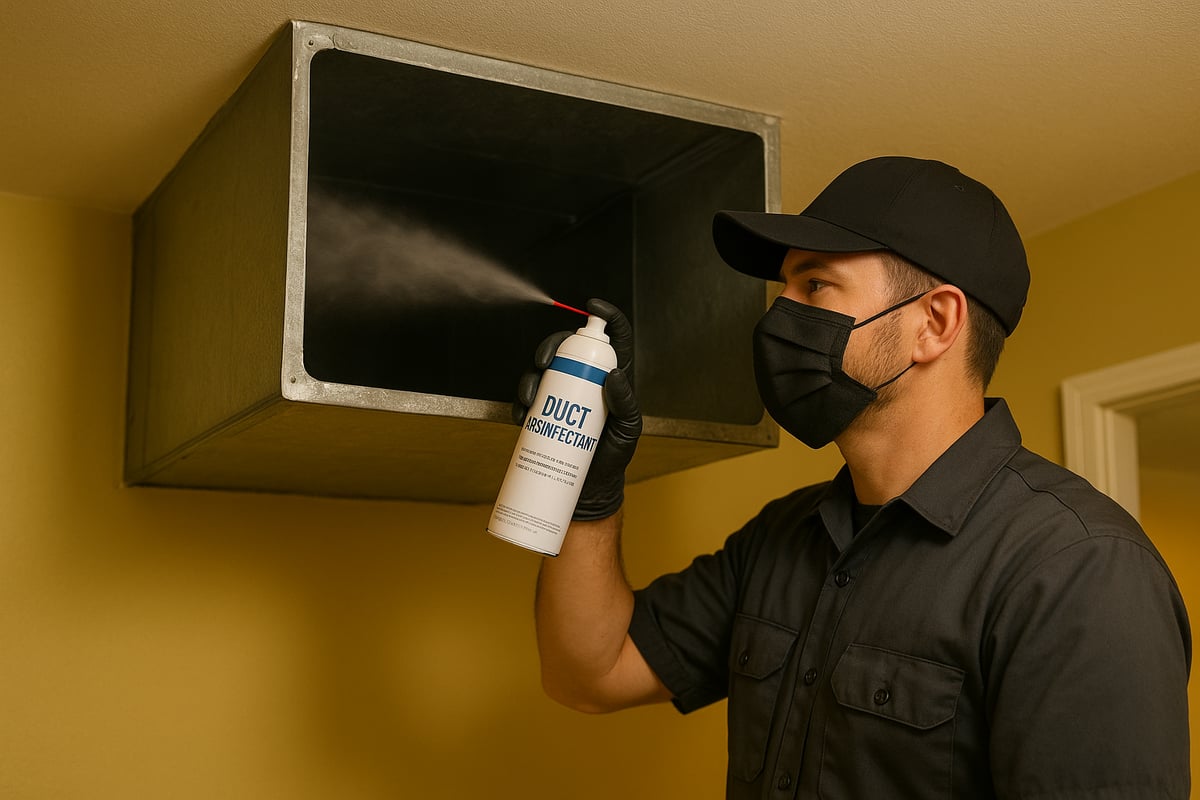
Health Risks of Dirty Ducts
Dirty ducts can harbor a wide range of contaminants. When dust, pollen, pet dander, and mold spores build up, they are circulated throughout your home or workplace whenever the HVAC system runs. This can lead to:
- Increased allergy and asthma symptoms
- Frequent respiratory infections
- Irritation of eyes, nose, and throat
- Worsening conditions for sensitive individuals
A duct disinfectant is crucial in breaking this cycle. It eliminates bacteria and mold that simple vacuuming or brushing may leave behind. The risk to vulnerable groups, such as children or the elderly, is especially high without proper duct disinfectant treatment. Addressing these risks is one of the most important steps you can take for your household’s health.
Safety and Hygiene Benefits
Applying a duct disinfectant offers more than just personal health protection. It reduces the spread of airborne pathogens in shared environments, such as offices, schools, and healthcare facilities. This process helps prevent cross-contamination, which is especially vital in communal spaces.
By using a duct disinfectant as part of your air quality strategy, you support compliance with public health standards. The heightened awareness of indoor air safety following recent global health events has made duct disinfectant use a top priority in many settings. It is a proactive measure for maintaining a hygienic environment and reducing the risk of illness.
Comfort and Quality of Life Improvements
Unpleasant odors from mold, mildew, or bacteria can quickly make any space uncomfortable. A duct disinfectant helps eliminate these smells, making your home or workplace more inviting. Removing contaminants also enhances the efficiency of your HVAC system, as clean ducts allow for better airflow and temperature control.
With regular duct disinfectant applications, you enjoy a fresher, healthier indoor environment. This improvement in air quality can lead to better sleep, fewer headaches, and overall greater comfort for everyone in the building.
Economic and Property Value Impacts
Investing in a duct disinfectant solution can lead to tangible financial benefits. Cleaner air means fewer sick days and lower healthcare costs. Buildings with documented clean air systems often have higher property values and are more attractive to buyers or tenants.
There can also be insurance incentives or regulatory benefits for maintaining high indoor air quality. By making duct disinfectant part of your maintenance routine, you are not only protecting your health but also safeguarding your property’s value and reducing long-term expenses.
The Duct Disinfection Process: Step-by-Step Guide for 2026
Achieving a truly clean and healthy indoor environment requires more than just surface cleaning. The duct disinfection process is a comprehensive, multi-step approach designed to eliminate contaminants deep within your HVAC system. Whether you are a homeowner or managing a commercial facility, following a structured protocol for duct disinfectant application ensures safety, effectiveness, and long-term air quality improvements.
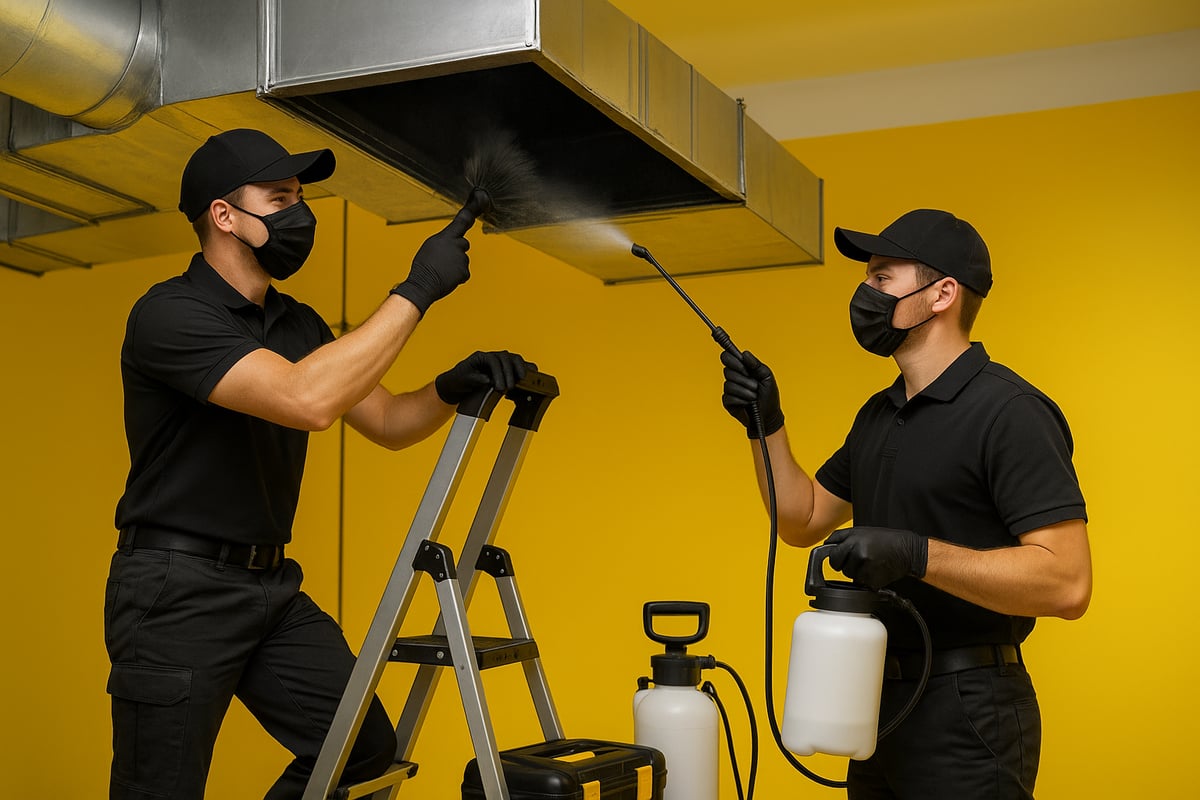
Step 1: Inspection and Assessment
Every successful duct disinfectant procedure begins with a thorough inspection. Professionals use advanced cameras and sensors to examine the entire ductwork, identifying areas with visible mold, dust accumulation, or debris. These diagnostic tools reveal hidden problems that can compromise indoor air quality.
During assessment, technicians note the type and extent of contamination. They check for water damage, microbial growth, and structural issues. This step is crucial because it guides the selection of the appropriate duct disinfectant and cleaning method.
For commercial settings, inspection protocols may include particle counts and air sampling. The goal is to gather all necessary data to target the most persistent threats, ensuring that the duct disinfectant process directly addresses your specific needs.
Step 2: Pre-Cleaning Preparation
Before any duct disinfectant is applied, preparation safeguards both the property and its occupants. Technicians seal vents and registers to prevent dispersal of dust and chemicals. Protective coverings are placed over furnishings and sensitive equipment.
Selecting the right duct disinfectant is critical at this stage. Factors such as duct material, type of contaminant, and building occupancy influence the choice between botanical or chemical formulations. Reviewing safety data sheets and verifying EPA registrations help confirm the product's suitability and safety.
Proper preparation also involves communicating with occupants about the process, expected timelines, and any necessary precautions. This step minimizes disruptions and sets the foundation for an effective duct disinfectant application.
Step 3: Mechanical Cleaning
Mechanical cleaning is the backbone of the duct disinfectant process. Technicians use either portable or truck-mounted vacuum systems to remove loose debris and contaminants from the ductwork. Brushing systems, air whips, and high-pressure air tools dislodge stubborn buildup from duct surfaces.
| Equipment Type | Suction Power (CFM) | Portability | Best For |
|---|---|---|---|
| Truck-Mounted Vacuum | 12,000 | Low | Large/commercial jobs |
| Portable Vacuum | 2,000–5,000 | High | Residential/small jobs |
Truck-mounted systems offer superior suction, making them ideal for extensive duct networks, while portable units are suitable for smaller or hard-to-access spaces. Both methods prepare the ducts for effective duct disinfectant penetration.
For a deeper dive into cleaning techniques and best practices, consider referencing this Air duct cleaning how-to guide.
Step 4: Application of Disinfectant
With ductwork cleaned, technicians proceed to apply the selected duct disinfectant. Common methods include spraying, fogging, and electrostatic application. Each technique ensures even distribution of disinfectant on all interior surfaces.
Product dwell times vary, typically ranging from 30 seconds to 10 minutes, depending on the formulation. For example, Decon 30, a popular botanical duct disinfectant, requires no rinsing and is effective even on porous surfaces. Electrostatic sprayers can achieve superior coverage, especially in complex duct systems.
The chosen duct disinfectant must be compatible with the HVAC system and safe for building occupants. This step is vital for neutralizing bacteria, viruses, mold, and other harmful microorganisms that mechanical cleaning might miss.
Step 5: Post-Application Protocols
After duct disinfectant application, it is essential to follow strict post-procedure protocols. Ventilation is increased to help dissipate any residual scents or vapors, with botanical disinfectants usually clearing within 40 minutes. Technicians advise on safe re-entry times to ensure occupant safety.
Verifying the effectiveness of the duct disinfectant involves swab tests or air sampling. These checks confirm that microbial levels have been reduced to safe thresholds. Documentation is provided, outlining the products used, procedures followed, and recommended maintenance schedules for ongoing protection.
Step 6: Ongoing Maintenance and Reapplication
Maintaining the benefits of duct disinfectant treatment requires a proactive approach. Experts recommend scheduling duct inspections and reapplications every 6 to 12 months, depending on building usage and environmental conditions.
Monitoring for signs of recontamination, such as odors or visible dust, is important. Integrating duct disinfectant treatments with regular HVAC maintenance ensures continuous protection against airborne threats.
Educating occupants about proper ventilation and filter replacement supports long-term air quality. By making duct disinfectant a routine part of building care, you safeguard health and comfort for everyone who enters your space.
Safety, Efficacy, and Environmental Considerations
Ensuring the safety, effectiveness, and environmental friendliness of any duct disinfectant is vital for both health and regulatory reasons. Today’s advanced solutions offer a balance between powerful pathogen control and responsible product selection, but not all disinfectants are created equal. Let’s examine the key factors you should consider before choosing a duct disinfectant for your home or business.
Evaluating Disinfectant Safety
When selecting a duct disinfectant, always start by reviewing its toxicity rating. The EPA assigns toxicity categories to disinfectants, with the safest products requiring little or no personal protective equipment. Botanical-based solutions, like those using thymol, are gaining popularity because they are less hazardous to humans and pets.
Chemical-based options often contain ingredients such as phenol or sodium phenate. While these can be effective, they may require more stringent safety measures. Always check the Safety Data Sheet (SDS) and ensure the product is registered with the EPA. For instance, Benefect’s Decon 30 is a botanical duct disinfectant that is safe for use around both people and animals.
- Key safety considerations:
- Review toxicity rating (look for EPA Category IV for lowest toxicity)
- Choose botanical formulations for sensitive environments
- Confirm EPA registration and appropriate labeling
Prioritizing safety ensures that your duct disinfectant does not introduce new risks into your indoor environment.
Efficacy Against Pathogens
A reliable duct disinfectant must demonstrate proven effectiveness against a broad spectrum of pathogens. Look for products labeled as bactericidal, fungicidal, and viricidal, which means they target bacteria, mold, and viruses respectively.
Time to kill is also crucial. Some products, such as Sporocidin, can inactivate viruses within five minutes and bacteria within ten. However, not every duct disinfectant is effective against all types of pathogens. Read efficacy claims carefully and compare them to your specific needs, especially if your space is prone to particular contaminants.
- Bactericidal: E. coli, MRSA, Staphylococcus
- Viricidal: Influenza, COVID-19
- Fungicidal: Candida, Trichophyton
Remember that while a duct disinfectant can significantly reduce microbial load, it cannot replace regular cleaning and HVAC maintenance.
Environmental Impact
Environmental responsibility is a growing concern when it comes to duct disinfectant use. Many modern products are formulated for biodegradability, ensuring they break down safely after application. Botanical disinfectants often have a lower chemical footprint and emit fewer volatile organic compounds (VOCs), making them suitable for sensitive environments.
Compliance with regulations is essential. The EPA provides clear guidelines on the use of antimicrobial products in HVAC systems. For more details on these requirements and best practices, review the EPA policy on antimicrobial use in HVAC systems.
- Check for VOC ratings and ingredient transparency
- Choose biodegradable products when possible
- Ensure the product meets EPA and local standards
By selecting an environmentally responsible duct disinfectant, you help protect both air quality and the broader ecosystem.
Precautionary Practices
Before any duct disinfectant is applied, always request and review the product’s datasheet. Verify that the solution is EPA registered and carries any necessary safety certifications. Avoid unapproved or high-toxicity chemicals, especially in spaces occupied by children, the elderly, or those with respiratory sensitivities.
Work only with qualified professionals who use industry-approved application protocols. Ask about their process, the products they use, and their safety measures. This approach ensures that your duct disinfectant application is both safe and effective.
- Request product datasheets for transparency
- Confirm EPA registration and certifications
- Avoid high-toxicity or unapproved chemicals
Taking these precautions will maximize the benefits of duct disinfectant treatments while minimizing risks.
Innovations and Trends in Duct Disinfection for 2026
The duct disinfectant industry is evolving rapidly as technology, safety, and sustainability become top priorities. In 2026, both commercial and residential users can expect a wave of smart, efficient, and eco-friendly solutions. These innovations aim to deliver cleaner air, easier maintenance, and peace of mind for building occupants.
Emerging Technologies
Cutting-edge tools are transforming how duct disinfectant is applied and monitored. Electrostatic sprayers now provide even, thorough coverage inside ductwork, ensuring every surface is treated. Automated robots equipped with cameras and sprayers navigate complex duct systems, reaching areas that were previously inaccessible. Smart sensors are being integrated to monitor air quality in real time, alerting users when it is time for the next duct disinfectant application.
Antimicrobial coatings that bond to duct interiors are gaining traction. These coatings offer ongoing protection against bacteria, viruses, and mold for months at a time. This combination of robotics, advanced application methods, and persistent protection is setting a new standard for the duct disinfectant industry.
Green and Sustainable Disinfectant Solutions
Sustainability is a driving force behind the latest duct disinfectant products. Botanical and plant-based solutions are on the rise, offering powerful performance with fewer harsh chemicals. Many of these newer formulas are EPA-approved and have lower volatile organic compound (VOC) emissions, making them a safer choice for both occupants and the environment.
Property owners and facility managers are increasingly seeking products that balance efficacy and eco-friendliness. For more guidance on maintaining indoor air quality with sustainable practices, the EPA’s Building Air Quality guide offers comprehensive recommendations. These green innovations are not only better for the environment, but they are also responding to consumer demand for transparency and safety in duct disinfectant solutions.
Regulatory and Industry Standards
Regulatory agencies are updating standards to address the evolving landscape of duct disinfectant products and application methods. In 2026, the Environmental Protection Agency (EPA), Centers for Disease Control and Prevention (CDC), and ASHRAE have all released enhanced guidelines for safer and more effective disinfection.
Service providers and building owners must stay informed about certification requirements for both products and professionals. The CDC recommendations for HVAC systems highlight best practices for infection control, especially in healthcare and high-risk environments. This focus on compliance and education ensures that duct disinfectant applications meet the highest standards of health and safety.
Integration with Smart Home and Commercial Systems
Integration of duct disinfectant technology with smart building systems is making air quality management more proactive and efficient. IoT-enabled sensors track air quality metrics and automatically schedule duct disinfectant treatments when thresholds are met. Mobile apps and cloud-based platforms allow users to monitor HVAC performance, review historical data, and receive alerts from anywhere.
Automated disinfection systems can now be programmed to work in tandem with HVAC schedules, minimizing disruption to building occupants. This seamless integration is making duct disinfectant processes more user-friendly and reliable, supporting healthier indoor environments.
Market Trends and Consumer Preferences
Consumer expectations are shaping the duct disinfectant market in 2026. There is a clear shift toward non-toxic, high-performance solutions, with 80% of homeowners ranking indoor air quality as a top priority. Businesses and institutions are willing to invest in premium services that guarantee safety and compliance.
Transparency, documented results, and long-term effectiveness are now essential for winning customer trust. As the demand for safe, sustainable, and innovative duct disinfectant options grows, service providers are adapting quickly to offer tailored solutions for every type of building.
Choosing the Right Duct Disinfectant Solution for Your Home or Business
Selecting the best duct disinfectant for your space is a critical step toward healthier indoor air. The right solution depends on several factors, from your building's unique needs to the specific contaminants present. This section guides you through each decision point, helping you make informed, confident choices for effective and safe air quality improvement.
Assessing Your Needs and Risks
Before choosing a duct disinfectant, assess your property’s unique requirements. Factors such as building size, number of occupants, and any specific health sensitivities must be considered. High-risk environments like healthcare facilities, childcare centers, and offices demand robust disinfection protocols.
Commercial properties, in particular, face unique challenges. For tailored solutions that address these needs, explore commercial duct cleaning solutions designed to meet stringent hygiene and safety standards. Understanding your risk profile ensures you select a duct disinfectant that matches both your environment and air quality goals.
Comparing Disinfectant Products and Methods
Not all duct disinfectant products are created equal. Comparing botanical and chemical options is essential for both efficacy and safety. Botanical formulas, such as those containing thymol, offer natural antimicrobial action with minimal residue. Chemical disinfectants, like those using phenol or sodium phenate, may provide broader pathogen coverage but require careful handling.
| Type | Active Ingredient | Safety Profile | Typical Use |
|---|---|---|---|
| Botanical | Thymol | Low toxicity | Homes, schools |
| Chemical | Phenol, Sodium phenate | Moderate-High | Hospitals, industry |
| Advanced | Proprietary blends | Varies | Specialized settings |
Review efficacy claims and product safety data thoroughly. The right duct disinfectant should balance effectiveness with occupant safety and environmental impact.
Selecting a Qualified Service Provider
Professional expertise is vital for proper duct disinfectant application. Look for providers with certifications such as NADCA and EPA approval. Ask about their process, product datasheets, and guarantees of effectiveness.
For those in the Detroit area, Detroit’s top duct cleaning professionals offer trusted experience and proven protocols. Ensure your chosen provider documents each step and communicates clearly about safety and results.
DIY vs. Professional Disinfection
While some may consider DIY duct disinfectant methods, risks can outweigh the benefits. Incomplete coverage, safety hazards, and lack of proper equipment are common pitfalls. Professional services ensure thorough application, compliance with safety standards, and optimal results.
DIY solutions may suit minor maintenance, but for comprehensive disinfection or complex duct systems, professional intervention is strongly recommended. Evaluate the costs against the long-term value of reliable, healthy air.
313 Air Duct & Insulation by Jouny: Professional Duct Disinfection Services
313 Air Duct & Insulation by Jouny delivers expert duct disinfectant services for residential, commercial, and industrial clients. Their team uses industry-approved products and safe application methods, focusing on the removal of dust, allergens, and pollutants.
Whether you need a one-time treatment or routine service, 313 Air Duct & Insulation tailors solutions to your property’s needs. Their documented process and commitment to air quality make them a trusted partner for cleaner, safer environments.
Maintenance and Long-Term Air Quality Strategies
Maintaining air quality requires more than a single duct disinfectant application. Schedule regular inspections and reapplications every 6 to 12 months, integrating these with HVAC system upgrades and insulation improvements.
Track air quality over time using sensors or professional testing. Educate occupants on best practices, such as changing filters and minimizing indoor pollutants, to support the effectiveness of your duct disinfectant strategy.
As you think about the air you and your loved ones breathe, it’s clear that a cleaner, healthier environment starts with your ductwork. Whether you’re concerned about hidden allergens, bacteria, or just want to improve your comfort and energy efficiency, having the right expertise matters. At 313 Air Duct & Insulation by Jouny, we’re committed to providing safe, effective solutions tailored to your home or business. If you’re ready to take the next step toward fresher indoor air and lasting peace of mind, let’s connect—simply Get Free Quote to get started.
Article written using RankPill.